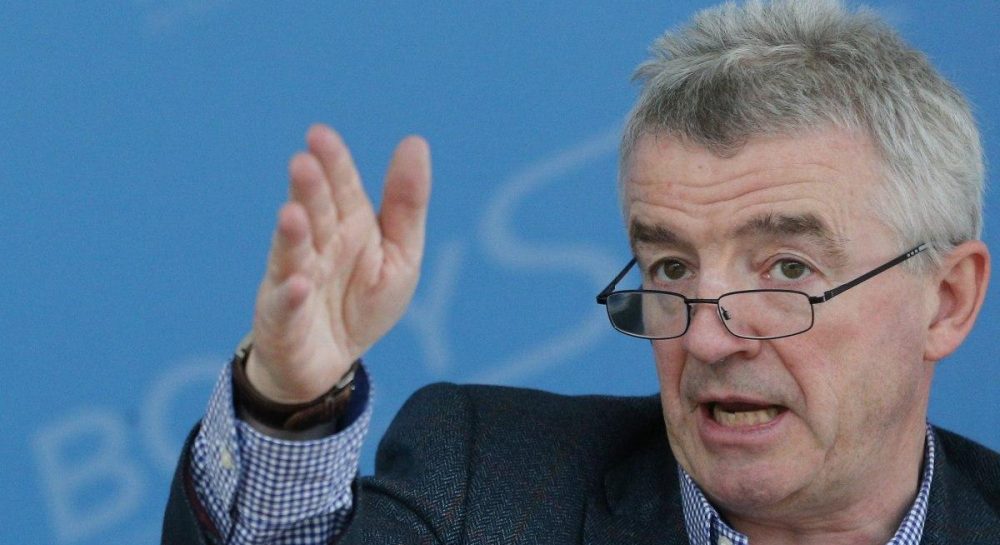
On October 21, 2026, a stark prediction echoed through the European aviation industry: airfares are about to climb to unprecedented levels. Michael O'Leary, the blunt-talking CEO of Ryanair, Europe's largest budget airline, delivered a sobering message to travelers planning their next journey across the continent. "Next year in Europe you will see airfare prices increase, I think by 10, 15, maybe 20 percent," O'Leary declared, adding that "in the next 12 months in Europe there will be the biggest increase in airfare prices in history."

O'Leary's prediction isn't vague speculation—it's a concrete warning with specific boundaries. The potential 10-20% increase represents a dramatic shift in an industry built on affordable travel. Such increases would fundamentally alter the economics of budget air travel, potentially pricing out millions of Europeans who have come to rely on no-frills carriers for weekend getaways or family visits.
When asked about the causes of this impending price surge, O'Leary pointed to two powerful forces converging simultaneously. First and foremost is the relentless climb in fuel costs, which historically has been the single largest expense for airlines. As global oil markets remain volatile, airlines are finding themselves squeezed between fluctuating prices and the inability to immediately pass these costs on to consumers.
With fewer airlines controlling more of the market, the incentive to keep prices low diminishes, allowing carriers to coordinate price increases more effectively.
The second factor O'Leary highlighted is industry consolidation. Over the past few years, European airlines have undergone numerous mergers and acquisitions, reducing competition on many popular routes. With fewer airlines controlling more of the market, the incentive to keep prices low diminishes, allowing carriers to coordinate price increases more effectively.
O'Leary's warning was amplified by similar concerns raised on the same day by Robert Fico, the Prime Minister of Slovakia. Fico spoke of "serious fuel market issues" that threaten to create broader economic challenges for Europe. While not specifically addressing airfares, his comments underscore the extent to which fuel market instability is becoming a continental concern, affecting everything from transportation costs to industrial production.

🔴 Get the full story at https://t.co/AOEYMaSgPj #ryanair https://t.co/s1F5nJQOHh
Ryanair's position as Europe's largest airline by passenger numbers means that when it moves, the entire industry tends to follow. The Irish carrier's dominance on short-haul routes across the continent gives it significant pricing power. When O'Leary signals that major increases are coming, smaller airlines often feel compelled to follow suit rather than risk being positioned as the most expensive option on key routes.
This dynamic creates a potential cascade effect: as one major carrier announces price increases, others may quickly follow, creating industry-wide inflation that becomes difficult to reverse. The timing of O'Leary's announcement, coming as airlines finalize their pricing strategies for the upcoming peak travel season, suggests that these increases may begin appearing soon.
For millions of Europeans who have grown accustomed to budget air travel as an affordable alternative to trains or cars, the coming price increases represent a significant shift in travel economics. The era of consistently cheap flights may be drawing to a close, forcing travelers to either adjust their expectations, seek alternative transportation methods, or simply travel less frequently.
The timing of these increases couldn't be more challenging, coming as Europe continues to recover from economic disruptions and as inflation remains elevated in many countries. For families planning vacations, businesses managing travel budgets, and the tourism industry that relies on affordable access, O'Leary's warning serves as an early notice that the cost of European air travel is entering a new, more expensive era.