When you first tune into Israeli elections, the headlines can feel like a rapid-fire exchange of accusations, legal filings, and coalition math. On October 28, 2026, the most striking of those exchanges unfolded: the Likud party, led by long-time prime minister Benjamin Netanyahu, publicly accused Arab parties of orchestrating the vote itself, alleging bribery, threats, and outright fraud. Yet, in a stark countermove, the Israeli police announced that their investigation turned up no concrete evidence to back those claims. For a reader just stepping into the arena, the episode offers a clear illustration of how political narratives clash with institutional findings, and why the numbers on a ballot sheet matter far beyond the headline-grabbing drama.
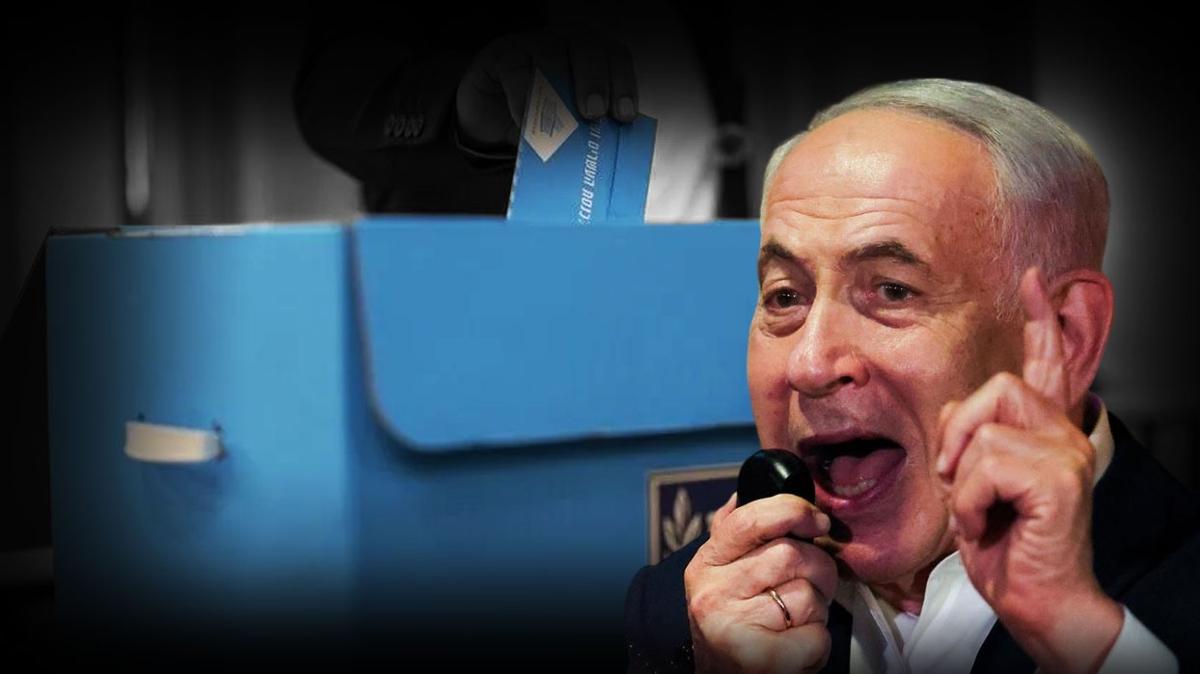
Likud’s charge was not a vague complaint about voter turnout; it was a detailed allegation that Arab parties had engaged in a suite of illegal tactics—bribery, intimidation, and fraudulent manipulation of the voting process. The party submitted “hundreds of testimonies and evidence” to three key bodies: the police, Israel’s internal security agency Shin Bet, and the Central Election Commission. By framing the Arab parties as the architects of the election, Likud sought a comprehensive investigation that could, in theory, lead to legal action against those it named.

🚨BIG UPDATE; 🇮🇱 Benjamin Netanyahu has once again become the Prime Minister of Israel. 🇮🇱 Benjamin Netanyahu stated that this is the greatest victory in the history of Israel; he achieved this win by breaking his own previous record. https://t.co/sAa6N2lanB
The police, positioned as a neutral arbiter in this dispute, effectively denied the existence of the alleged irregularities. Their denial was echoed in a separate but identical announcement that they “deny election irregularities allegations.”
At the time of the police announcement, 85% of the ballots had been counted.
In Israel’s legal and political culture, a police finding of “no evidence” does not automatically close the case; it simply means that, based on the material examined, there is nothing to substantiate the claims. For Likud, the lack of police corroboration undermines the narrative it has been building, especially as the election results continue to be tallied.
While the legal back-and-forth unfolded, the raw vote count painted its own picture. At the time of the police announcement, 85% of the ballots had been counted. The Likud coalition bloc, comprising Likud itself and allied parties, had secured 53 seats in the Knesset, Israel’s 120-member parliament. To form a governing majority, a coalition needs at least 61 seats. Thus, even with the accusations in play, Likud found itself eight seats short of the threshold required to govern without seeking additional partners.
These figures matter because they illustrate why the election results are still being finalized and why the political drama is far from over.
As of October 28, 2026, Israel’s election results are still being finalized, and the political drama is far from over.