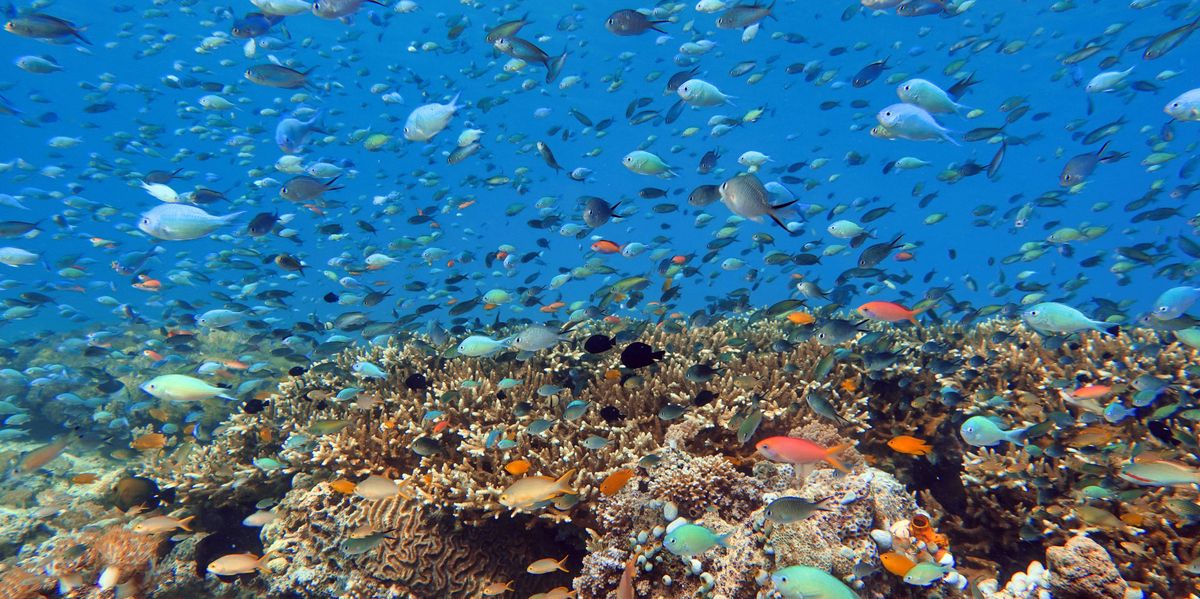
On October 22, 2026, the International Union for Conservation of Nature (IUCN) released a sobering global assessment that sent shockwaves through the scientific community and environmental activists. The report, presented at the United Nations Biodiversity Conference, painted a dire picture of the future of coral reefs. According to the IUCN, nearly all of the world's shallow-water coral reefs face an extremely high risk of collapse within the next 50 years, primarily due to climate change and other threats. The findings were based on a comprehensive assessment of 127 tropical and subtropical coral systems, which revealed that 96% of these ecosystems are already critically endangered and could disappear by 2075.

Mishal Gudka, a marine biologist, emphasized the gravity of the situation. 'The future threat of climate change is looming and severe, and that poses a very high risk to the survival of these ecosystems,' she said. Gudka's words echoed the findings of the report, which stated that nearly all studied shallow coral reef ecosystems will face extremely high extinction risk by 2075. The report highlighted the critical window for action, underscoring the urgent need for immediate and sustained efforts to mitigate the impacts of climate change.

Nearly all coral reefs risk collapse in 50 years: IUCN https://t.co/ijU7JKwcQW
Coral reefs are not just beautiful underwater landscapes; they are critical sources for seafood and tourism and often serve as buffers from coastal erosion and storms. They support a quarter of all marine species as well as coastal communities and businesses. The Great Barrier Reef, the Coral Triangle, the Mesoamerican Barrier Reef System, and Red Sea coral reefs are among the critically endangered systems. These reefs provide essential habitats for a vast array of marine life, from tiny fish to massive sharks, and play a crucial role in the global ecosystem.
The report found that 96% of shallow-water reef systems are already critically endangered, with the potential to disappear by 2075 if no action is taken.
Climate change is identified as the single most consistent threat driving coral reef decline worldwide. Rising ocean temperatures and heatwaves are causing mass coral bleaching, a phenomenon where corals expel the algae that live in their tissues, turning white and often leading to their death. The report found that 96% of shallow-water reef systems are already critically endangered, with the potential to disappear by 2075 if no action is taken. The IUCN's assessment paints a grim picture, but it also offers a glimmer of hope: if active measures are taken against global warming, only about 24% of the studied ecosystems would be at risk.

🪸 🐠 Nearly all of the world's shallow-water coral reefs face an "extremely high risk" of collapse by 2075 due to climate change, the International Union for Conservation of Nature (IUCN) warned Thursday. ➡️ https://t.co/euZvib1YWw https://t.co/f8GHo1lYRO
The IUCN's global assessment of coral reef ecosystems, released on October 26, 2026, has significant implications for global policy and conservation efforts. The report calls for immediate and coordinated action to reduce greenhouse gas emissions, protect and restore coral reefs, and enhance the resilience of these ecosystems. The IUCN's critical stance emphasizes the need for urgent and ambitious climate action to avert the collapse of these vital ecosystems.
The IUCN's assessment leaves no room for complacency. The future of coral reefs hangs in the balance, and the clock is ticking. The report's findings underscore the critical window for action, highlighting the urgent need for immediate and sustained efforts to mitigate the impacts of climate change. The IUCN's call to action is clear: if we act now, we can still save these vital ecosystems. If we fail to act, the consequences will be dire, not just for marine life but for human communities that depend on coral reefs for their survival.

Nearly all coral reefs risk collapse in 50 years — IUCN https://t.co/j3akOVEd6E
The IUCN's global assessment of coral reef ecosystems sends a powerful message: nearly all coral reefs are at high risk of collapse by 2075 due to climate change and other threats. The findings of the report, released during the U.N. Biodiversity Conference, highlight the critical window for action. The future of these vital ecosystems hangs in the balance, and the time to act is now. The IUCN's assessment serves as a wake-up call, urging governments, scientists, and communities to come together to protect and restore these invaluable resources before it is too late.