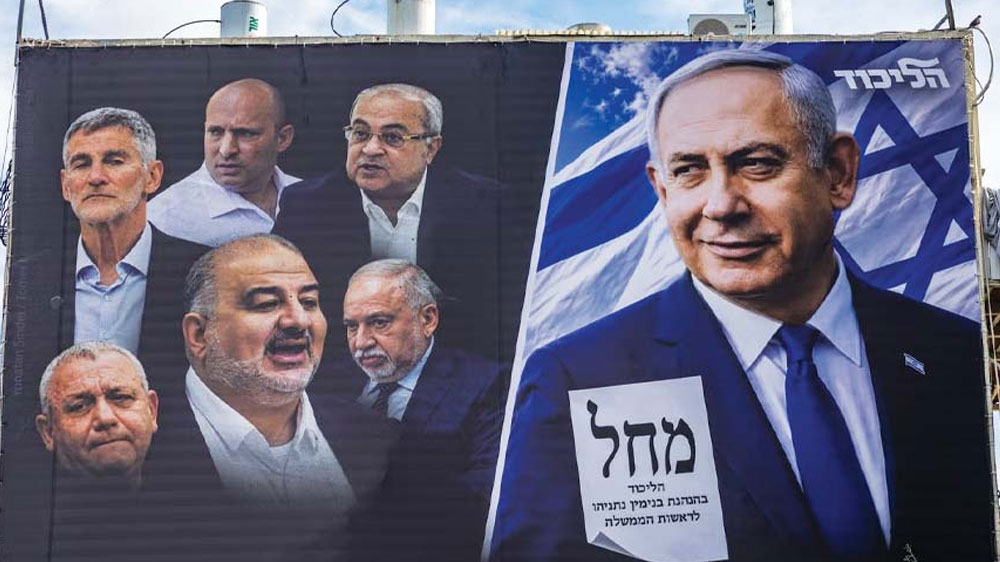
When the results rolled in, Israel’s 120-seat Knesset transformed into a mosaic of competing ambitions. Benjamin Netanyahu’s Likud, once the engine of right-wing governance, found itself with just 27 seats, leaving it short of the threshold required for a solo majority. The arithmetic left a 53-seat bloc that could, in theory, support Netanyahu, but the reality of coalition-building proved far more tangled.

The most striking shift came from the Arab parties, which together secured 19 seats. Historically a peripheral force, this surge positioned them as kingmakers in a parliament where no single bloc could claim outright control. Their newfound clout sent ripples through the political landscape, prompting both seasoned strategists and fresh entrants to reassess alliances.

🚨 Israel Election: The Numbers Game Netanyahu bloc : 53 seats Eisenkot bloc : 48 seats Arab parties : 19 seats Majority mark is 61. Eisenkot + Arab parties = 67. What If Eisenkot forms an alliance with the Arab parties, Tata,Bye Bye for Netanyahu? @grok is this possible?
Across the aisle, opposition parties amassed 48 seats, a figure that underscored the electorate’s appetite for alternatives to Netanyahu’s long-standing leadership. The opposition’s performance, while still short of a governing majority, signaled a robust challenge to the status quo and set the stage for protracted negotiations.
Soon after the numbers were certified, whispers of external influence grew louder.
Special ballots played a decisive role in shaping the final tally. Soldiers stationed abroad, workers overseas, and expatriates cast their votes, each group adding layers of complexity to the seat distribution. These ballots, while a routine feature of Israeli elections, became focal points for scrutiny as accusations of foreign funding and irregularities surfaced.

Jonathan Freedland on the Israeli election and what the opposition need to do next https://t.co/7r80llFn69
Soon after the numbers were certified, whispers of external influence grew louder. Critics pointed to alleged foreign funding streams that, they argued, could have skewed the outcome in favor of particular factions. Police investigations were launched, casting a pall over the legitimacy of the process and fueling calls for transparency.
Netanyahu’s path to a functional government now hinges on bridging the gap between his 27-seat Likud core and the broader 53-seat coalition that could, in principle, support him. Yet the Arab parties, buoyed by their 19 seats, have signaled a willingness to act as kingmakers, while opposition forces remain resolute in their own agenda. The resulting stalemate raises the specter of a new election, a scenario that would further test the nation’s political stamina.

Breaking 🚨 Benjamin Netanyahu Officially lost or won the israel election. @grok confirm this
As the dust settles, Israel stands at a crossroads. The Knesset’s fragmented composition forces every party to confront the reality that governing will require compromise, negotiation, and perhaps a reimagining of traditional alliances. Whether Netanyahu can marshal enough support to form a stable government, or whether the Arab parties will leverage their gains to reshape policy, remains an open question that will define the coming months.
Beyond the immediate numbers, this election underscores a broader trend: the erosion of single-party dominance and the rise of pluralistic representation. For citizens accustomed to clear majorities, the new reality promises a more contested, and potentially more representative, parliamentary discourse. The outcome of the ensuing talks will not only determine who sits in the prime minister’s chair but also signal how Israel navigates internal diversity and external pressures in an increasingly complex world.