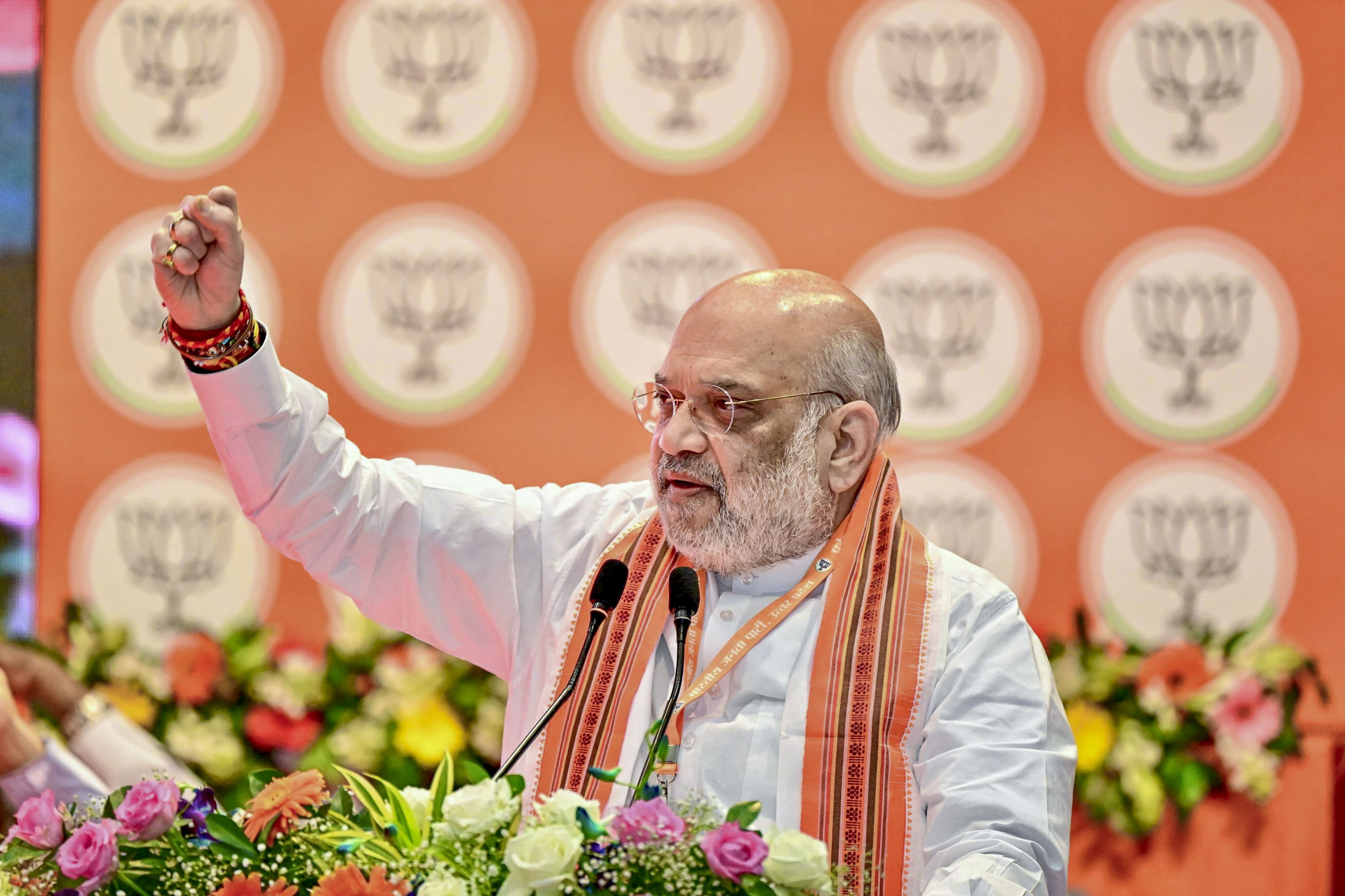
In a bold move, Amit Shah, the Union Home Minister and a key figure in the Bharatiya Janata Party (BJP), called for a special session of Parliament to discuss 'vote chori'—a term that translates to 'vote theft' or 'vote corruption.' This move was a direct response to the allegations made by the Congress party, led by Rahul Gandhi, that the BJP government was involved in electoral malfeasance. The term 'vote chori' has been a contentious issue, with both sides trading accusations and counter-accusations in a heated political climate.
In a move that mirrored the BJP's call for a special session, the opposition, led by Rahul Gandhi, announced a march to Ramlila Maidan, a historic site in Delhi. The march was seen as a symbolic act of defiance, with former Lok Sabha Speaker Meira Kumar set to chair a 'public impeachment' program against Chief Election Commissioner Gyanesh Kumar. This program was designed to highlight the perceived shortcomings of the Election Commission and to challenge the government's handling of the election process. The opposition's actions were seen as a direct challenge to the BJP's authority and a pushback against what they perceived as a corrupt electoral system.

More than 5,000 Delhi residents, largely from the Sikh community, along with victims of the 1984 anti-Sikh riots, are expected to take part in a protest march from Tilak Nagar to Hari Nagar on Nov 1 at 11 am. Senior BJP leaders, including Hardeep Singh Puri and other Sikh leaders from the party, are also expected to join the march. Read more: https://t.co/yquTeO3hTg | By: @Piyush_mi #1984AntiSikhRiots #DelhiResidents #SikhCommunity #ProtestMarch
Amit Shah's call for a special session was not just a procedural move. In his statement, Shah directly challenged Rahul Gandhi, saying, "He will not take it to Parliament. He will take it to the streets."
The opposition's actions were seen as a direct challenge to the BJP's authority and a pushback against what they perceived as a corrupt electoral system.