
On September 10, 2024, more than 20,000 migrants arrived in Djibouti from Ethiopia, according to OIM records.
Their goal was to reach Yemen.
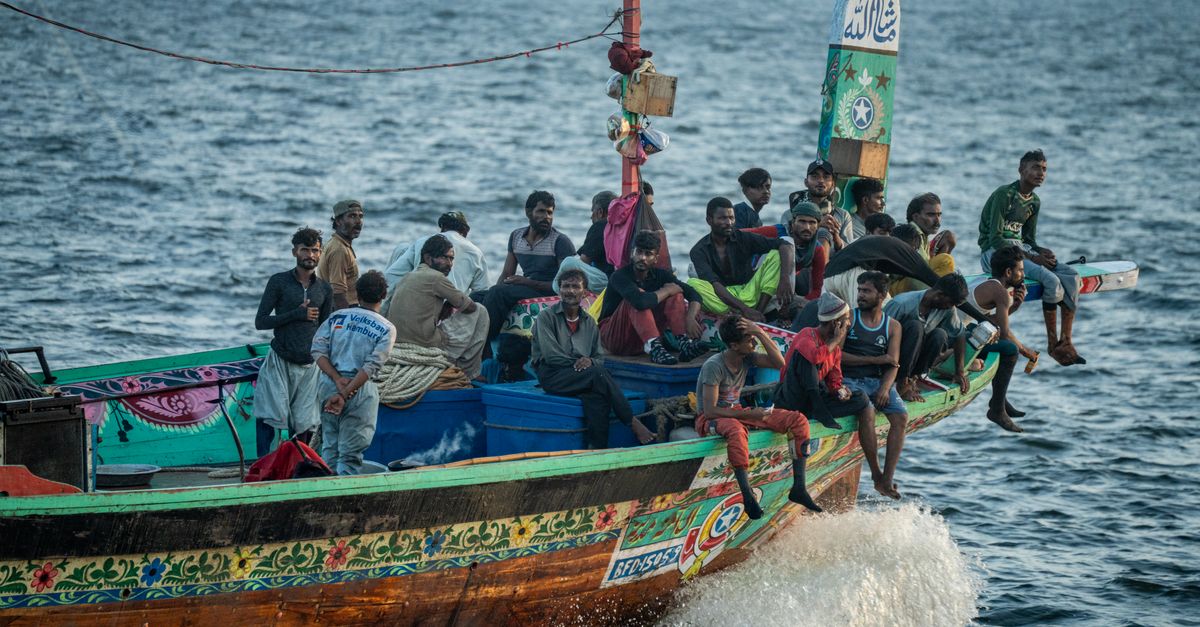
The boat that left the Djiboutian shore carried 305 passengers, far exceeding its capacity. Reports described it as "much too small for the number of passengers," a clear sign of the risks taken by those desperate to move onward.
Eighty individuals were rescued from the waves, marking a grim but immediate tally of human loss.
Survivors later told Alexandre Coissac that "the boat began to capsize toward the rear as soon as they got on board."
On October 11, 2026, the overloaded craft capsized near Obock, Djibouti. The craft overturned in the water.
The United Nations reported that the sinking left 139 people dead and 84 missing. Eighty individuals were rescued from the waves, marking a grim but immediate tally of human loss.
Of those rescued, 64 survivors received assistance from relief workers.
The migrants had set out for Yemen even as recent Houthi–government conflicts flared in the country.
On the very same day as the sinking, October 11, 2026, Houthi–government hostilities resumed in Yemen.
Alexandre Coissac offered three observations: he quoted survivors saying the boat began to capsize toward the rear as soon as they boarded; he noted that "there is always the same objective of reaching the Gulf countries"; and he warned that "this tragedy brutally reminds us of the dangers faced by migrants along this migratory route."
The OIM recorded more than 20,000 arrivals from Ethiopia to Djibouti in September 2024 and described the vessel involved in the sinking as far too small for its passenger count.