
The sun beats down on the rolling hills of Cambridgeshire, a county that has become a bellwether for the drying of the English landscape. For years, the region has battled the twin specters of habitat loss and climate change, with increasingly hot, dry conditions threatening to turn its fertile fields into dust. Yet, amidst this environmental strain, a quiet revolution is taking place on the grounds of the Wimpole Estate. Here, on land managed by the National Trust, a remarkable count of life has been tallied, offering a glimmer of hope in an otherwise bleak forecast.

The estate, a sprawling property in Cambridgeshire, has recently announced that it has recorded over 5,000 species of wildlife. This number, a staggering figure for any landscape, is particularly remarkable given the drought conditions that have gripped the region. The National Trust attributes this abundance to decades of long-term stewardship and dedicated habitat restoration efforts, proving that when humans step back and allow nature to heal, the results can be profound.
The list of species recorded across the estate's diverse landscapes—parkland, farmland, woodland, and wetlands—is a testament to the health of the ecosystem. It includes rare bats and newts, species that are often the first to vanish when habitats are degraded. The presence of these creatures suggests that the estate is functioning as a vital sanctuary, a refuge where biodiversity can thrive even as the surrounding environment struggles.
Wood pasture, a more open landscape with scattered trees, supports different species altogether, including those that require both open ground and trees for cover.
David Hassall, a key figure in the estate's management, notes the significance of this count. "The number is 'remarkable in any landscape, but particularly here in Cambridgeshire, where wildlife is facing the combined pressures of habitat loss and increasingly hot, dry conditions,'" he observes. The fact that such a diverse array of life persists in the face of these pressures is a powerful argument for the effectiveness of the estate's management practices.
The success of the Wimpole Estate is not an accident; it is the result of deliberate, large-scale action. Since 2021, the National Trust has planted 125,000 trees, transforming the landscape and creating new habitats for wildlife. This effort has been focused on creating 35 hectares of woodland and 52 hectares of wood pasture, both of which are crucial for supporting a wide range of species.
Woodland, in particular, provides a complex habitat with a variety of layers, from the forest floor to the canopy, offering shelter and food for countless creatures. Wood pasture, a more open landscape with scattered trees, supports different species altogether, including those that require both open ground and trees for cover. By creating these diverse habitats, the estate has provided the building blocks for a thriving ecosystem.
The work at Wimpole is not just about preserving what is there; it is about actively restoring what has been lost. The National Trust recognizes that across the UK, wildlife is under immense pressure from habitat loss and fragmentation as well as climate change. Ben McCarthy, a spokesperson for the organization, emphasizes the urgency of this mission. "Across the UK, wildlife is under immense pressure from habitat loss and fragmentation as well as climate change, making the need to restore nature more urgent than ever," he states.
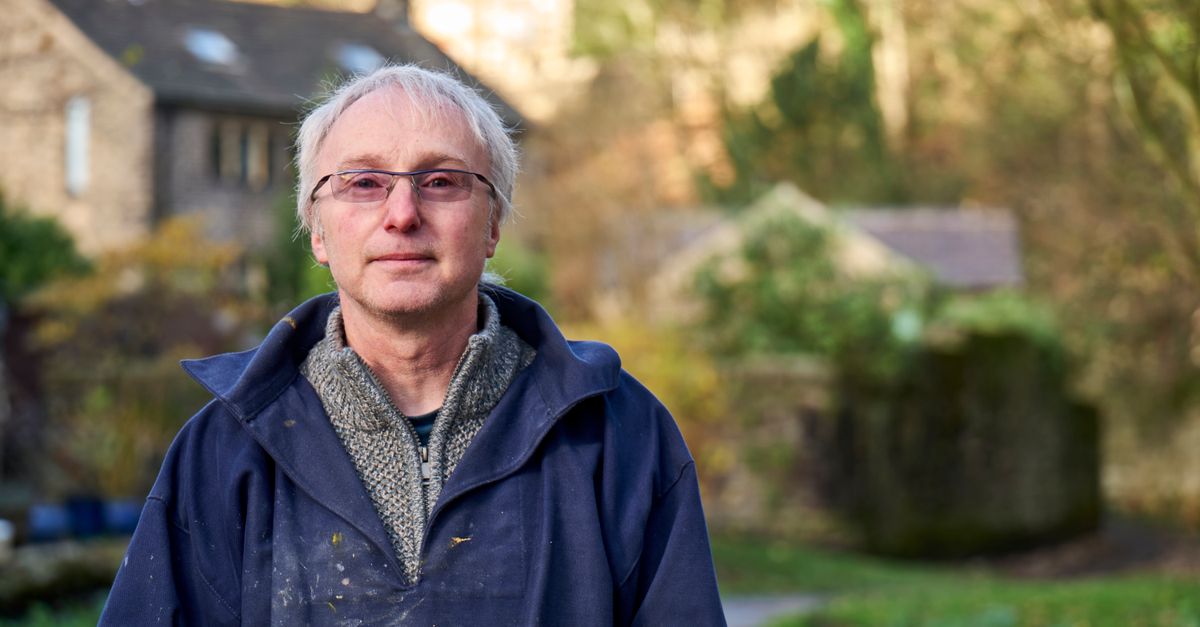
This sentiment is echoed by the very data coming from the estate. The fact that 5,242 species have been recorded is not just a number; it is a signal that restoration works. It shows that when we invest in nature, it can bounce back, even in the most challenging of times.

A country house and farming estate in one of the driest and most nature-depleted parts of the country has secured an “abundance” of wildlife with more than 5,000 species recorded, the National Trust said. 💚 Rare species from barbastelle bats to great crested newts and corn buntings as well as beetles, arable flowers and a pygmy ant found at only one other UK site have all been recorded at Wimpole The milestone of 5,242 species recorded in the landscape comes as the National Trust marks 50 years of caring for the 2,500-acre estate with a mansion, parklands, gardens, woodlands, wetlands and working organic farm. Read more here: https://t.co/NPLg9j3UMB
The efforts at Wimpole are ongoing. Currently, the National Trust is in the design phase of planting an additional 77 hectares of trees, a project that promises to further enhance the estate's biodiversity. This commitment to long-term action is what sets the estate apart. It is not a quick fix or a temporary measure; it is a sustained effort to create a landscape that can withstand the pressures of a changing climate.
As the drought continues to affect the region, the Wimpole Estate stands as a living example of what is possible when we prioritize nature. It is a reminder that while the challenges facing our environment are great, so too is our capacity to make a difference. Through careful stewardship and a commitment to restoration, we can create landscapes that are not only beautiful but also resilient, capable of supporting life for generations to come.