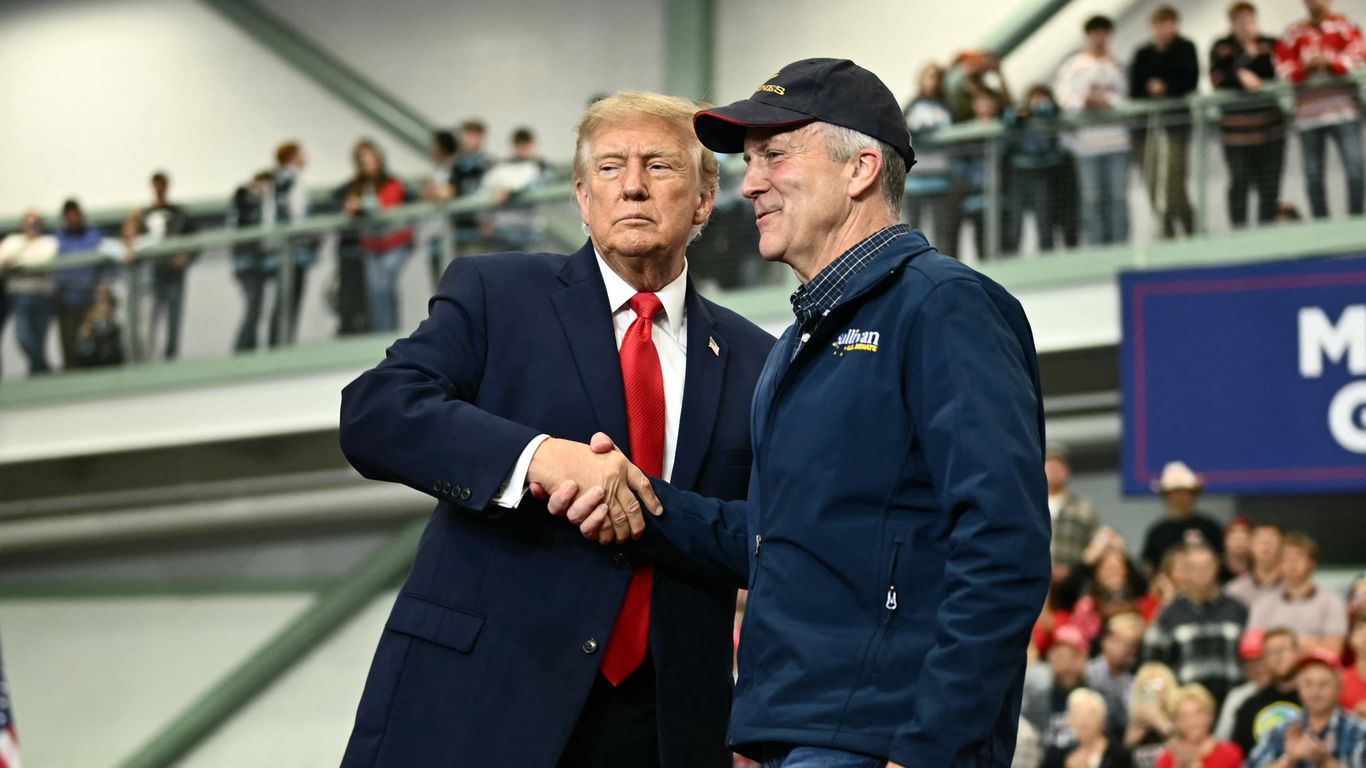
When the ballot in Alaska’s 2026 U.S. Senate race was finalized, few expected the nation’s top law-enforcement agency to become a party to the contest. On October 12, 2026, the U.S. Department of Justice lodged a suit in the Alaska District Court seeking to prevent the certification of the election results—but only if incumbent Republican Senator Dan Sullivan fails to win. The filing set a tone that the dispute would be fought not just in the precincts but in the corridors of federal power.
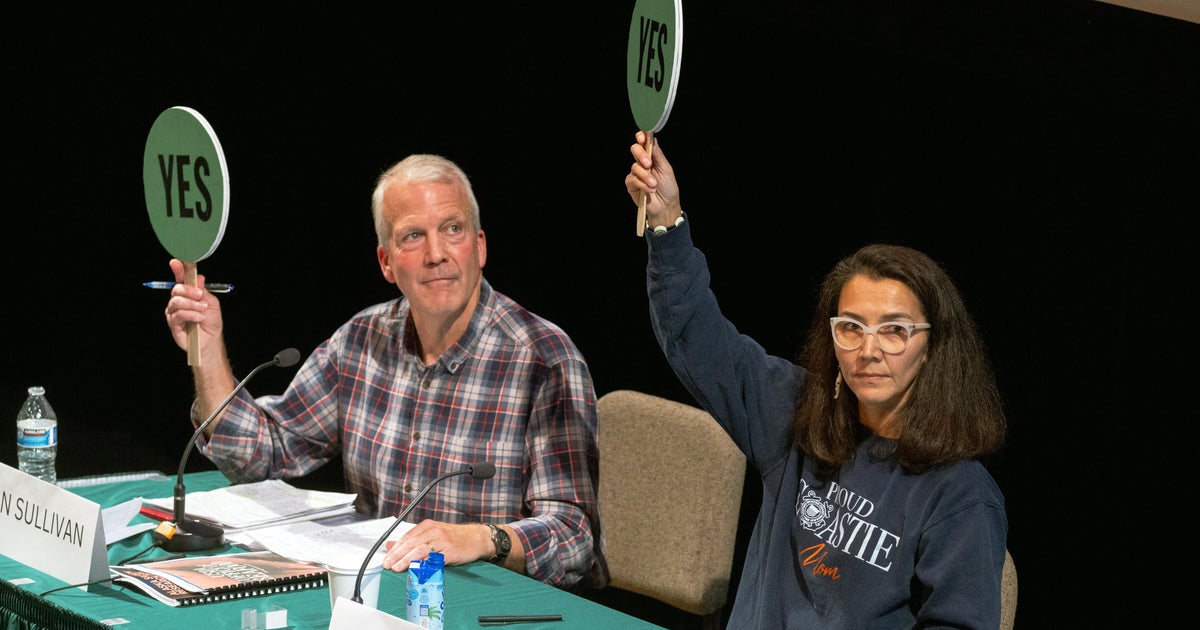
At the heart of the lawsuit is a quirk that has already sparked controversy: a second candidate named Dan Sullivan appears on the ballot. Republicans have framed the situation as a deliberate ploy to sow confusion among voters, arguing that the presence of a non-incumbent with the same name could tip the scales in favor of Democrat Mary Peltola. The Justice Department’s complaint leans on that same premise, asserting that the duplicate name violates the National Voter Registration Act by compromising the clarity of the ballot.

Trump’s DOJ Moves Before Alaska Votes The Justice Department wants to block certification of the state’s Senate election if GOP incumbent Dan Sullivan loses https://t.co/irxiy6AnjU
Alaska’s adoption of ranked-choice voting adds another layer of complexity. Under this system, voters rank candidates in order of preference; if no one reaches a 50% threshold in the first count, the lowest-performing candidate is eliminated and their votes are redistributed. The process repeats until a majority emerges. Critics claim that the combination of ranked-choice mechanics and a confusing ballot name could amplify errors, especially in a race as tight as this one.
The primary that preceded the general election gave a glimpse of the incumbent’s standing.
The lawsuit did not arrive in a vacuum. On October 23, 2026, the Trump administration filed a separate but parallel suit to block the same certification. The administration described its legal theory as “strange and unusual,” yet it rested on the same allegation: voter confusion stemming from the duplicate Dan Sullivan. The filing underscores a broader strategic calculus, as the outcome of the Alaska race could influence the balance of power in the Senate.

Trump on the DOJ lawsuit preemptively challenging the results of the Alaska election: "I'm the one that said 'do it.'" https://t.co/umlUXGOgWM
The primary that preceded the general election gave a glimpse of the incumbent’s standing. Dan Sullivan secured 68,726 votes in the Republican primary. While the primary numbers alone do not determine the final outcome, they illustrate the incumbent’s baseline support and the stakes attached to any shift caused by ballot confusion.
The courts now face the task of weighing an unprecedented claim: that the mere presence of a name duplicate, combined with ranked-choice voting, warrants halting a certified election. Legal scholars note that the case will test the limits of the National Voter Registration Act and the judiciary’s willingness to intervene in electoral outcomes. Meanwhile, campaign observers watch for any ripple effects on voter confidence and turnout as the legal battle unfolds.
President Donald Trump summed up the administration’s frustration: “It’s ridiculous that the Court didn’t stop this SCAM. Even 1, 2, or 3% could make the difference.” The statement captures the high-stakes perception that even a marginal shift in votes could determine the final result, especially in a system where preferences are redistributed round by round.
As the deadline for certification approaches, Alaska remains a focal point where legal theory, electoral design, and national politics intersect. Whether the Justice Department’s suit will succeed—or be dismissed as an overreach—remains to be seen, but the case has already highlighted how procedural nuances can become flashpoints in America’s democratic process.

NEW: The Trump administration has filed a lawsuit to block certification of Alaska’s Senate race if Republican Sen. Dan Sullivan loses while another candidate with the same name is on the ballot. The lawsuit, filed Thursday by Trump’s DOJ in federal court in Alaska, seeks to prevent the state from certifying a win for Democrat Mary Peltola if Daniel J. Sullivan remains on the ballot. “The United States accordingly brings this lawsuit to protect the integrity of the 2026 Senate election in Alaska,” the lawsuit says, arguing that federal law requires states to protect the integrity of federal elections. Source: AP