
In the autumn of 2026, Turkey found itself in the midst of a financial storm. The 'fund crisis,' as it was dubbed, had shaken the confidence of investors and raised questions about the integrity of the capital markets. The government, led by President Recep Tayyip Erdoğan, moved swiftly to address the situation. On October 21, 2026, Justice Minister Akın Gürlek announced the results of a comprehensive investigation into manipulative transactions in the capital markets.
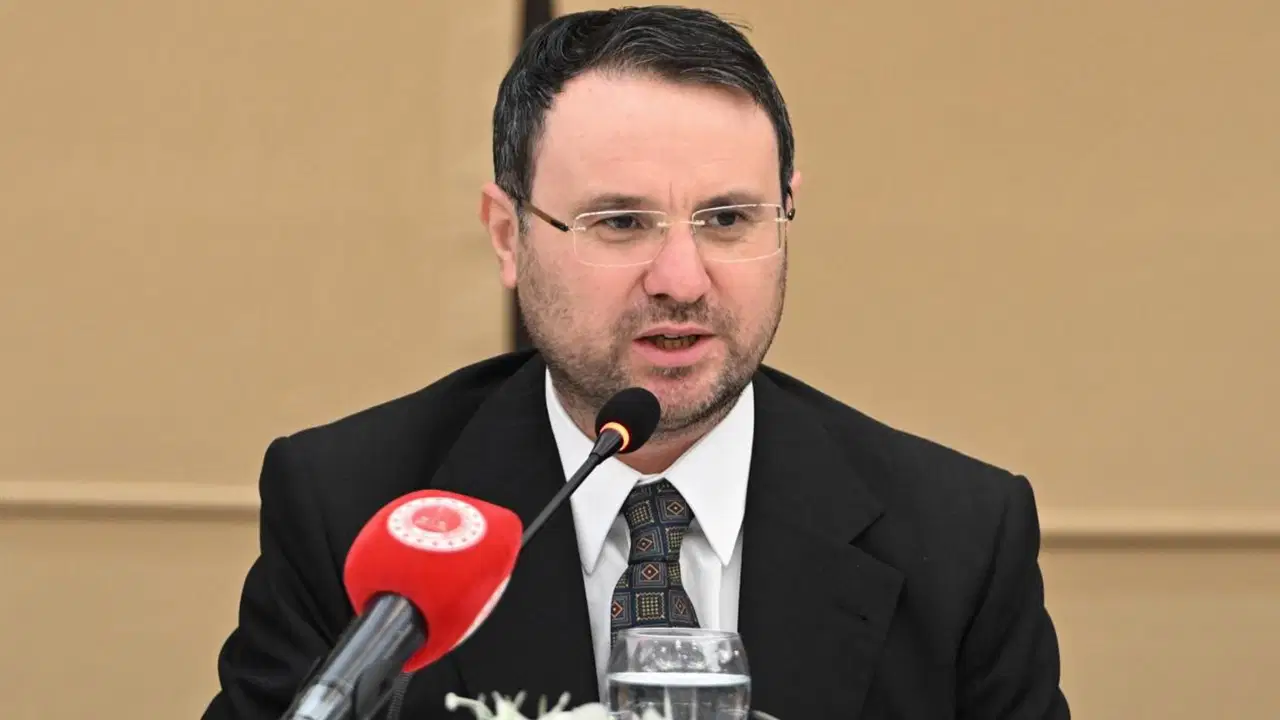
Gürlek revealed that a total of 404 individuals had been subject to legal proceedings. These measures were part of a broader effort to ensure accountability and protect the financial well-being of citizens. The government emphasized its commitment to transparency and the rule of law, stating that the process would continue until full justice was served.
To complement the legal actions, the Istanbul Chief Public Prosecutor's Office took significant financial measures. Asset protection orders were issued against 351 real persons and 102 legal entities, totaling 453 individuals and companies. This included freezing bank accounts, seizing assets, and blocking the transfer of real estate. The purpose was clear: to preserve assets under investigation and bring financial transactions under strict oversight.
In his statement, Gürlek stressed the government's commitment to protecting citizens' rights and ensuring accountability.
While the legal and financial measures were in place, the hunt for fugitives was equally intense. Gürlek confirmed that 42 suspects were still at large and being actively pursued. These individuals were seen as a threat to the integrity of the financial system and were the subject of relentless efforts to bring them to justice.
In his statement, Gürlek stressed the government's commitment to protecting citizens' rights and ensuring accountability. He stated, 'Under the leadership of my president, Recep Tayyip Erdoğan, we are carefully following the process to protect our citizens' rights and assets and to prevent unlawful gains through illegal transactions in capital markets.'
He said, 'Within the scope of investigations into manipulative transactions in the capital markets, legal proceedings have been initiated against 404 people so far; 88 suspects have been detained, 26 arrested, and 195 people have been subject to judicial control measures.' He further emphasized, 'Our citizens may rest assured; we will follow every legal step from the identification of the suspects to the disclosure of financial connections, from asset protection measures to the return process.'
The Istanbul Chief Public Prosecutor's Office played a crucial role in the investigation. They issued asset protection orders against 351 real persons and 102 legal entities, totaling 453 people and companies. These measures included freezing bank accounts, seizing assets, and blocking the transfer of real estate. The Treasury and Stock Exchange Presidency (TMSF) continued to manage accounts receiving restitution from individuals deemed to have earned unlawful gains.
Gürlek's statements were aimed at reassurance. He said, 'Sermaye piyasalarındaki manipülatif işlemlere ilişkin yürütülen soruşturmalar kapsamında bugüne kadar 404 kişi hakkında adli işlem yapılmış; 88 şüpheli tutuklanmış, 26 şüpheli gözaltına alınmış, 195 kişi hakkında adli kontrol tedbiri uygulanmıştır.' He continued, 'Firari durumdaki 42 şüphelinin yakalanmasına yönelik çalışmalar ise aralıksız devam etmektedir.' These measures were intended to instill confidence in the public and ensure that the financial system remained robust and fair.
The investigation into the fund crisis and capital markets manipulation was part of a larger effort by the Turkish government to address financial irregularities. The measures taken were seen as a necessary step to restore public trust and ensure the integrity of the financial system. Gürlek's statements were a testament to the government's commitment to transparency and the rule of law.
As the investigation continues, the focus remains on ensuring that all legal steps are followed and that justice is served. The government's actions have been met with both support and scrutiny. While many welcomed the measures as a step towards financial stability, others questioned the extent of the crackdown and its impact on individual freedoms. Nevertheless, the commitment to protect citizens' rights and assets remains a central theme in Turkey's ongoing financial reforms.