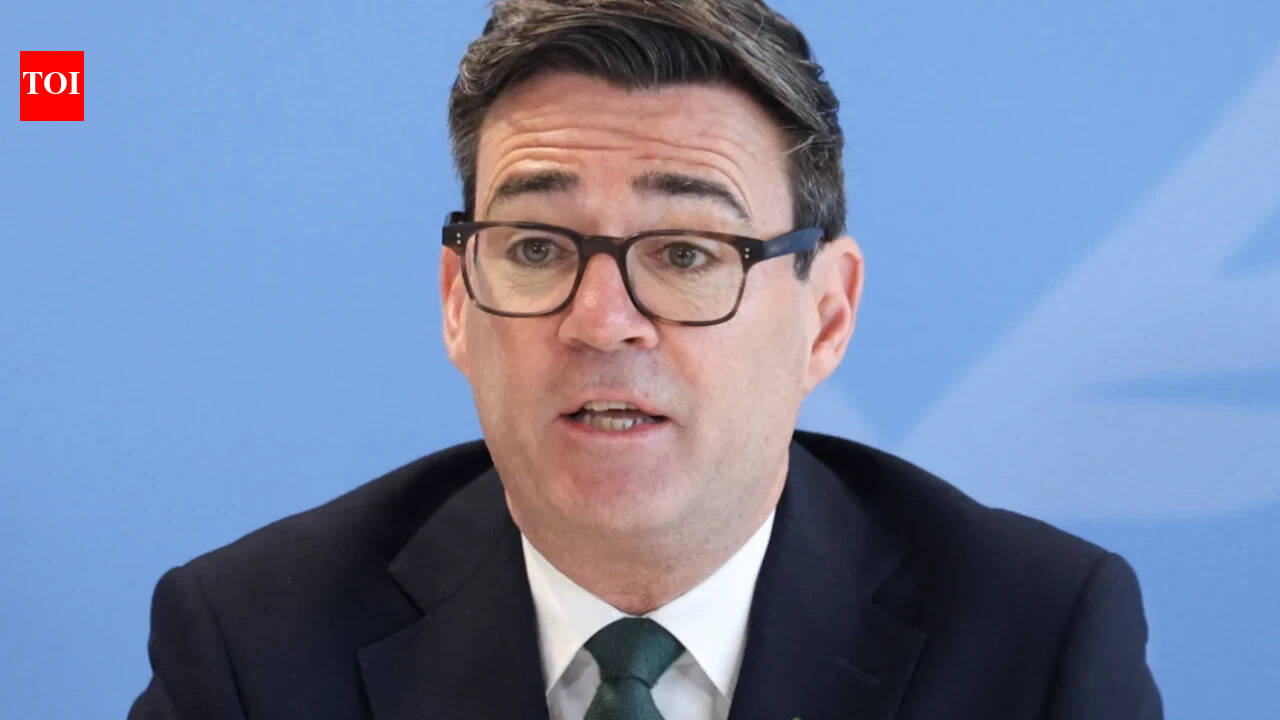
UK Prime Minister Andy Burnham has signaled the possibility of a formal apology for Britain's role in the trans-Atlantic slave trade, a move that could reshape the country's relationship with its former colonies. Burnham's remarks, made on October 31, 2026, came as part of a broader effort to address the legacies of slavery and contemporary challenges within the Commonwealth. However, his stance on financial reparations remains firm.
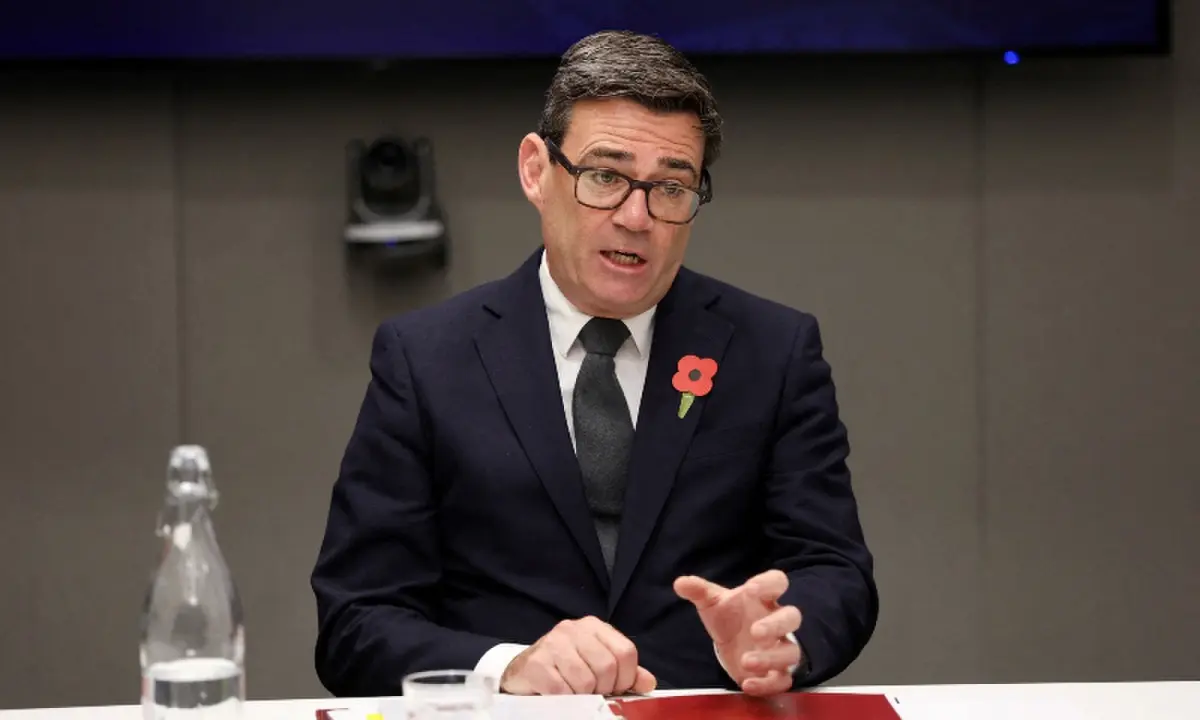
Caribbean leaders have been pushing for financial reparations from the UK, citing the human toll of the trans-Atlantic slave trade. The trade, which saw over 3.2 million Africans forcibly transported across the Atlantic, has left a mark on the region's history. Prime Minister Burnham's rejection of financial reparations, while offering a formal apology, has not satisfied the Caribbean's demands.
King Charles III is currently touring the Caribbean ahead of the upcoming Commonwealth Heads of Government Meeting in Antigua and Barbuda. His visit is seen as a significant opportunity to address the lingering issues of the past and to foster stronger ties between the UK and its former colonies.
The issue of slavery and its legacies is a concern for the Commonwealth.
In a statement, Andy Burnham expressed his willingness to engage in structured dialogue with countries affected by slavery, including considering a formal apology. He stated, 'Listening to calls for a formal apology on behalf of the British state will form an important part of this process, and I am open to them.' Burnham's words were a departure from previous UK governments, which have largely avoided formal apologies for the slave trade.
The trans-Atlantic slave trade was a significant chapter in human history. Over 3.2 million Africans were forcibly transported across the Atlantic, with countless more dying during the journey. The trade had profound effects on African societies and the Caribbean region.
The issue of slavery and its legacies is a concern for the Commonwealth. At the upcoming Commonwealth Heads of Government Meeting, Caribbean leaders will push for addressing the legacies of slavery, including financial reparations. Burnham's willingness to engage in a formal apology is seen as a positive step.
For years, those members of the Commonwealth affected by the slave trade have asked for an honest conversation about the legacies of slavery. By sticking our heads in the sand, we have damaged the ability of the Commonwealth to function, Burnham added. This statement reflects the UK's previous approach to addressing the issue of slavery and its impact.
As the Commonwealth Heads of Government Meeting approaches, the focus will be on how to move forward in addressing the history of the trans-Atlantic slave trade. While Andy Burnham's willingness to engage in a formal apology is a significant step, the path forward will require continued dialogue.
The UK's response to the calls for reparations and a formal apology is a critical moment in its relationship with the Caribbean and the broader Commonwealth. While Andy Burnham's willingness to engage in structured dialogue is a positive sign, the rejection of financial reparations remains a point of contention. As the Commonwealth Heads of Government Meeting approaches, the focus will be on how to address the history of the trans-Atlantic slave trade and build a more equitable future for all.