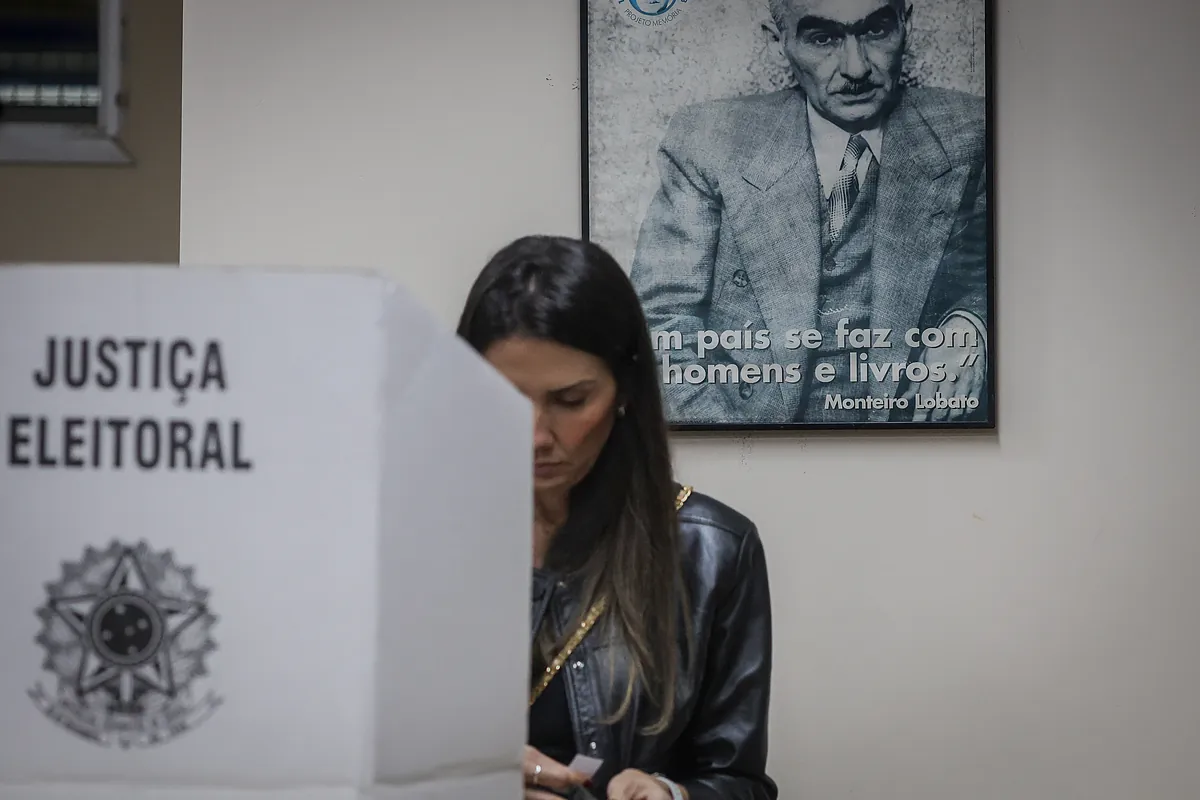
On October 25, 2026, the democratic machinery of Brazil faced an unexpected test. As citizens across the country headed to the polls for the presidential runoff, the logistical reality of a nation spanning vast geographic and social divides began to fray. Reports of blocked public transportation routes and localized weather disruptions created a growing sense of urgency. For the 159 million voters eligible to participate, the simple act of casting a ballot was becoming a race against the setting sun, threatening to leave thousands of voices unheard in one of the most consequential elections in the nation's history.

Facing mounting pressure and reports of systematic delays, the Supreme Federal Tribunal—the highest judicial body in the country—stepped into the fray. In a move that signaled the gravity of the situation, the court issued a directive to extend voting hours by two hours nationwide. Originally slated to close at 17:00, polling stations were granted a reprieve until 19:00 local time. This was not merely a bureaucratic adjustment; it was a deliberate attempt to preserve the integrity of the electoral process in the face of mounting logistical chaos.

🚨 Flávio Bolsonaro overtakes Lula in Brazil’s presidential election as 23.27% of votes are counted. https://t.co/911Ii6DnaP
The decision to extend the hours was rooted in specific, localized crises that threatened to snowball into a national disenfranchisement effort. In states like Bahia, the scale of the disruption was stark, with reports indicating that 252 buses had been affected, leaving voters stranded and unable to reach their designated polling stations. Similar patterns of transit interference were documented in major urban centers like São Paulo and Rio de Janeiro, as well as in the northern state of Pará. Whether through infrastructure failures or deliberate blockages, the result was the same: a significant portion of the electorate was being sidelined.
The tension surrounding the voting process was palpable, with both campaigns acutely aware that every single vote could determine the outcome.
This election, a fierce contest between incumbent President Luiz Inácio Lula da Silva and his right-wing challenger Flávio Bolsonaro, has been defined by extreme polarization. The tension surrounding the voting process was palpable, with both campaigns acutely aware that every single vote could determine the outcome. While the Workers' Party and the coalition supporting Lula advocated for the extension to ensure that supporters could reach the polls despite the obstacles, the political atmosphere remained fraught. The Electoral Public Prosecutor's Office had initially voiced opposition to the extension, highlighting the delicate balance the court had to strike between electoral access and procedural consistency.
Beyond the deliberate blockages, the sheer geography of Brazil presented its own challenges. In regions like Minas Gerais and Rio Grande do Sul, unpredictable weather conditions compounded the difficulties for voters. The Supreme Federal Tribunal’s decision to apply the extension nationwide was a recognition that the obstacles were not confined to a single region or a single cause. By keeping the polls open until 19:00, the court aimed to provide a buffer for those navigating the dual threats of failing infrastructure and environmental volatility.
As the clock ticked past the original 17:00 deadline, the atmosphere in polling stations across the country shifted. The extension brought a temporary halt to the counting process, as authorities recalibrated to accommodate the influx of late-arriving voters. While the campaigns of both candidates had requested extended hours, the reality of the implementation was met with varying degrees of scrutiny. For the Supreme Federal Tribunal, the priority remained the preservation of the democratic mandate, ensuring that the 159 million voters were given every possible opportunity to participate in the selection of their next leader.

I knew Lula was going to win as soon as I saw this image He’s going down as the greatest politician to have EVER lived https://t.co/HzSEhThynQ