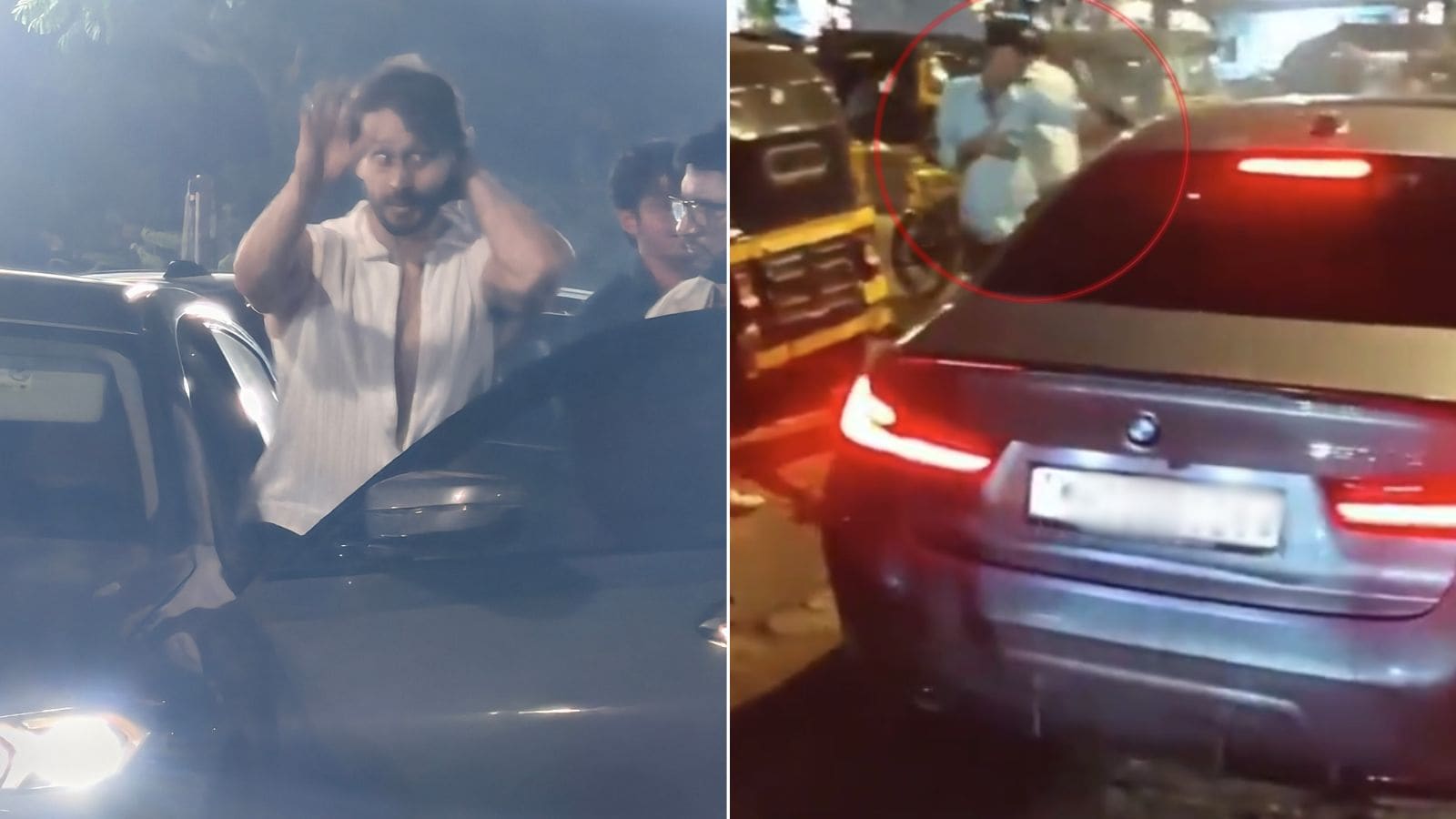
For Tiger Shroff, the evening in Juhu, Mumbai, was supposed to be routine. Then, in his BMW sedan, the calm was shattered by four distinct gunshots. The actor himself emerged unharmed, a fact that quickly became the central refrain of the emerging report. But he was not alone in that vehicle; his driver sustained injuries during the violent exchange. As the car pulled away from the scene, one of the attackers’ firearms reportedly jammed, a mechanical failure that may have altered the trajectory of the assault. Now, as new videos of the incident circulate, the focus has shifted from the immediate physical danger to the wider web of threats that allowed such an attack to occur in one of India’s most heavily patrolled districts.

In the days following the shooting, the Lawrence Bishnoi gang stepped forward to claim responsibility for the act. The group, known for using violence to settle disputes and project power, explicitly used the claim to issue broader threats to other personalities within the film industry. While police have noted that the authenticity of these claims remains under scrutiny and has not yet been fully verified by investigators, the group’s public stance has injected a layer of organized criminal intent into what was initially reported as a localized incident. The gang’s involvement transforms the event from a simple crime of opportunity into a calculated display of intimidation, suggesting that the targeting of high-profile celebrities has become a tactic for maintaining their influence.
The reaction from the government was immediate and unequivocal. Maharashtra’s Chief Minister Devendra Fadnavis ordered a probe into the shooting, bypassing slower bureaucratic channels to signal that the state was taking the threat seriously. In a direct statement, Fadnavis declared, “Our priority is to keep Mumbai’s citizens safe. We will not spare anyone trying to threaten our film industry.” His sentiment was reinforced by Eknath Shinde, who drew a sharp historical parallel, stating, “It is time we respond to them in their own language. In the 1990s, Mumbai saw the gang war era. The Mumbai Police stopped it. We will not tolerate such gangs.” These statements, while politically charged, underscore the administration’s commitment to dismantling the narrative of impunity that such gangs often cultivate.
To understand the gravity of the current situation, it is necessary to look at the history of organized crime in Mumbai.
On the ground, the investigation is being led by Mumbai Police Commissioner Deven Bharti. The police have launched a manhunt for the shooters, deploying specialized teams that are currently combing through CCTV footage from the Juhu area to identify the individuals involved. The involvement of top-tier police leadership ensures that resources are not spread thin; the case is being treated with the urgency it demands, focusing on both the immediate arrest of the perpetrators and the broader dismantling of the gang’s command structure.

Tiger Shroff is safe after three rounds of bullets were fired at his BMW in Mumbai’s Juhu area. Jackie Shroff’s team confirmed the actor’s well-being as police launched an investigation https://t.co/SgEutj52nG
The incident did not stay within the boundaries of law enforcement; it rippled into the entertainment sector, triggering a widespread state of alarm. The All Indian Cine Workers Association issued a critical stance, denouncing the violence and expressing deep concern over the safety of its members. For an industry that relies on public access and frequent travel to locations like Juhu, the prospect of targeted gun violence is a jarring disruption to its daily operations. The association’s involvement signals that the film community is no longer viewing these threats as abstract, but as an imminent danger to its workforce, prompting calls for better protective protocols for stars and crew.
To understand the gravity of the current situation, it is necessary to look at the history of organized crime in Mumbai. The references to the “gang war era” of the 1990s are not just rhetorical flourishes; they serve as a reminder of how deeply embedded such criminal networks were in the city’s fabric. In that decade, the film industry was repeatedly targeted, with actors and producers becoming casualties of conflicts that had little to do with their work. The current political rhetoric aims to frame this incident not as a new phenomenon, but as a regression to a time thought to be over. By invoking this history, leaders are attempting to galvanized both public support and police resolve, framing the fight against the Bishnoi gang as a defense of the city’s stability.

#WATCH | Maharashtra Deputy Chief Minister Eknath Shinde condemns the firing incident involving Tiger Shroff, says he spoke with the actor and his father, Jackie Shroff, and assures them of the government’s support. He says several teams have been formed to track down those who opened fire and that security arrangements for all celebrities will be reviewed. 📲 For News on the go, Download HT app. Click https://t.co/a5Pp2KPW5t
Behind the political statements and police operations, there remains the personal reality for those involved. Tiger Shroff, now confirmed safe and unhurt, has become the face of a safety breach that many thought was resolved years ago. Meanwhile, the driver who was injured in the blast of the four gunshots represents the collateral damage that often goes unnoticed in high-profile incidents. The focus on the celebrity survivor, while understandable given the public interest, can sometimes obscure the trauma of the everyday people who witness or suffer from such violence. The medical and psychological care for the injured driver is a critical, though less publicized, component of the aftermath of the Juhu shooting.
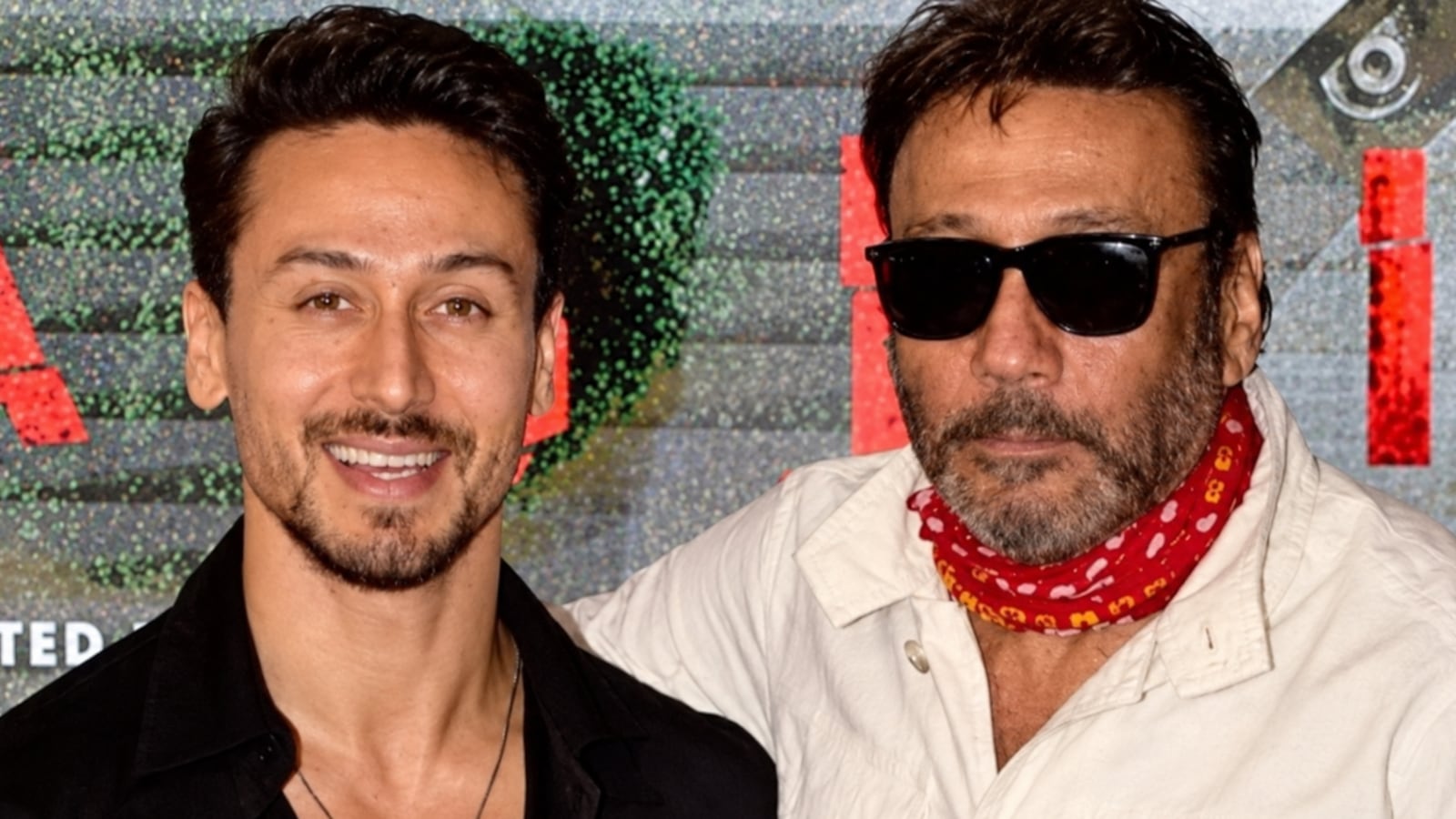
As of now, the manhunt for the shooters is ongoing, and the state government’s promise to act against the Lawrence Bishnoi gang is being implemented.