In the high-stakes theater of European diplomacy, timing is everything, and coordination is the currency of trust. On October 27, 2026, a sudden diplomatic maneuver sent ripples through the Nordic region, exposing a hairline fracture in the unified front Europe has attempted to maintain against Russian aggression. President Alexander Stubb of Finland and Prime Minister Jonas Gahr Støre of Norway engaged in a joint telephone conversation with Russian President Vladimir Putin. The discussion, centered on the ongoing conflict in Ukraine and the broader security landscape of the Baltic and Northern Europe, was intended to address the most pressing tensions of the era. Yet, what was framed as a diplomatic outreach quickly became a source of intense friction among allies.
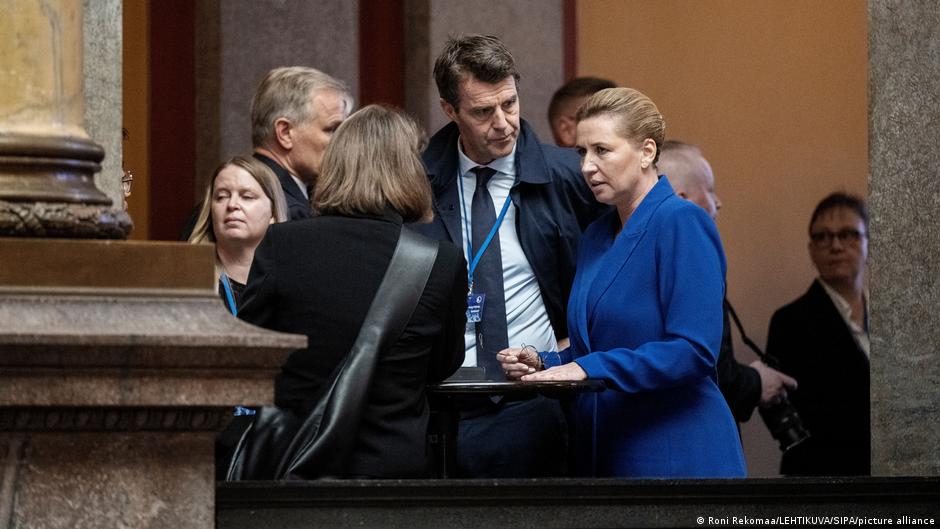
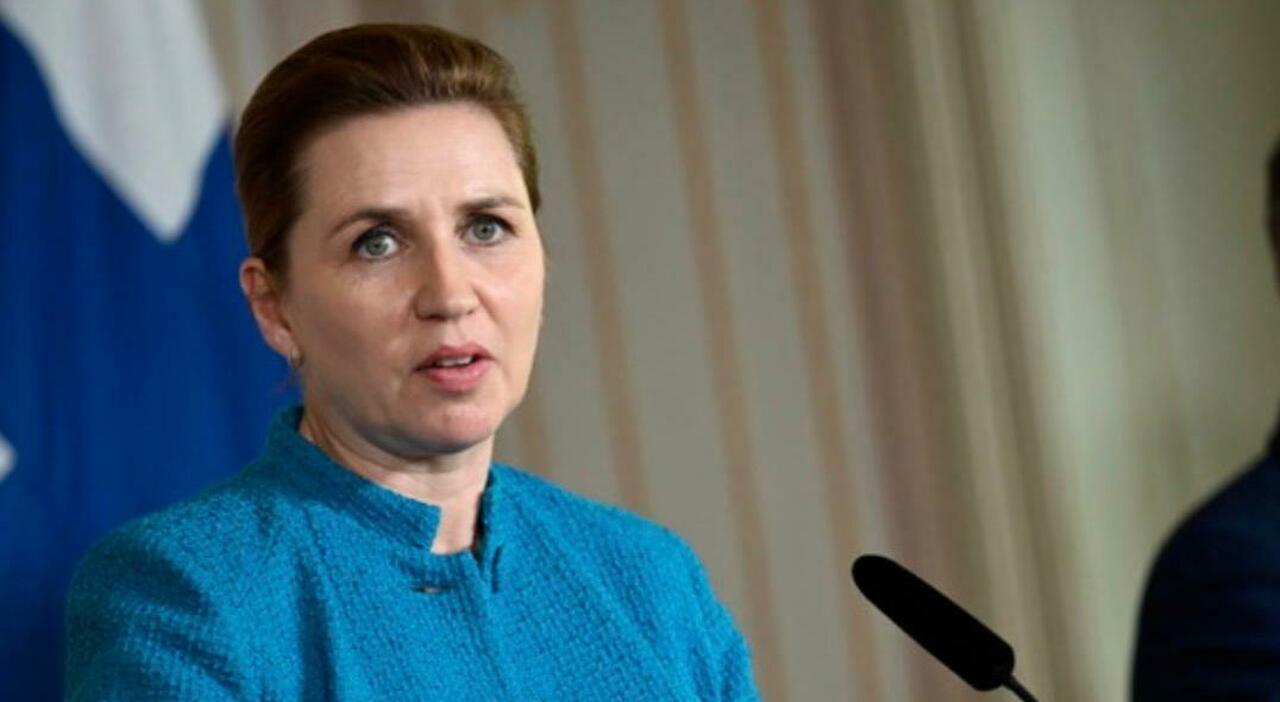
While the call was ostensibly about security and peace, its execution left a significant portion of the European alliance feeling sidelined. Denmark's Prime Minister, Mette Frederiksen, did not mince words in her response to the initiative. For Frederiksen, the issue was not merely the content of the conversation, but the process by which it was conducted. She characterized the move as an uncoordinated effort, noting that the initiative had not been agreed upon with other Nordic partners. In the delicate architecture of modern security, where the strength of the alliance depends on the perception of a singular, unwavering voice, a unilateral call to the Kremlin can look less like diplomacy and more like a divergence in strategy.

The leaders of Finland and Norway held a phone call with Vladimir Putin to restart the peace process. The overture comes as Brussels prepares for face-to-face contacts with the Russian side. https://t.co/dBtINxjopB
Frederiksen’s critique was pointed and public. She expressed deep skepticism regarding the Norwegian and Finnish initiative, emphasizing that the move occurred without the necessary consultation required to maintain a cohesive European stance. "I'm very sceptical about this Norwegian and Finnish initiative," Frederiksen stated, highlighting the procedural breakdown. "It hasn't been coordinated with any of the rest of us." This sentiment underscores a fundamental tension in European geopolitics: the balance between individual sovereign nations attempting to manage their immediate security concerns and the collective necessity of a unified bloc.
She pointed to a pattern of behavior that she believes contradicts any genuine pursuit of peace.
To understand the intensity of the Danish reaction, one must look at the context of the current conflict. For Frederiksen, the idea of seeking dialogue through such channels is complicated by the reality of Russia's current conduct. She pointed to a pattern of behavior that she believes contradicts any genuine pursuit of peace. The Danish Prime Minister argued that the signals coming from Moscow are not those of a nation seeking reconciliation, but rather one engaged in continuous confrontation.
Frederiksen’s skepticism is rooted in the daily realities of the conflict, which she views as more than just a traditional battlefield struggle. She noted that the signs of a desire for peace are absent from both the kinetic war in Ukraine and the subtle, pervasive threats occurring in the periphery. "I see no signs that Russia is seeking peace with Europe," she remarked, framing the situation as a dual-front challenge. She specifically cited the "hybrid warfare that occurs every day" alongside the "cruel and aggressive attacks" being carried out daily in Ukraine. From her perspective, the diplomatic gesture by Finland and Norway ignores the ongoing aggression that defines the current relationship between Russia and the West.
The timing of the phone call adds another layer of complexity to the diplomatic landscape. The outreach to Putin took place just ahead of US-led peace talks, a period when the international community is hyper-sensitive to any shifts in positioning. In such a window, any movement that appears to deviate from the established consensus can be interpreted as a weakening of the collective pressure being applied to the Kremlin. The call, intended to navigate the security issues of the Baltic and Northern Europe, instead became a test case for how much autonomy individual Nordic nations can exercise without undermining the broader European unity.
As it stands, the incident has highlighted a critical challenge for the Nordic and European allies: the difficulty of maintaining a synchronized response in a region where security concerns are immediate and varied. While Finland and Norway sought to re-establish diplomatic channels to discuss the stability of Northern Europe, the resulting criticism from Denmark serves as a reminder of the high cost of uncoordinated action. The rift underscores the ongoing struggle to keep Europe united in the face of a Russian administration that, according to its neighbors, shows no inclination toward a peaceful settlement.