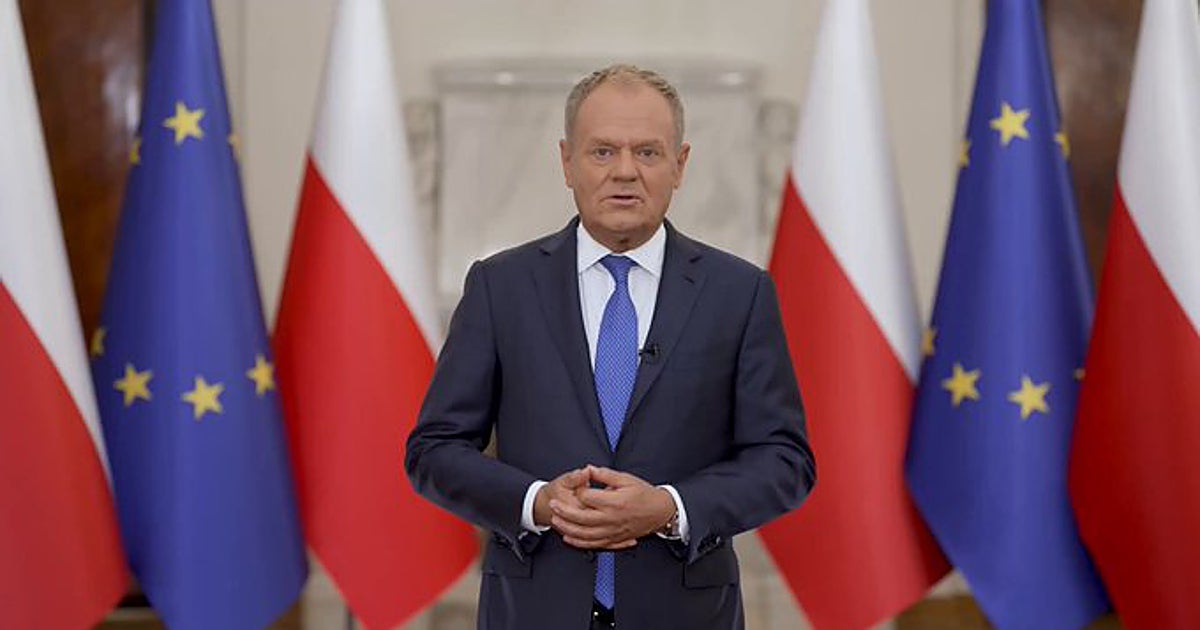
On October 31, 2026, the political atmosphere in Poland reached a boiling point, prompting Prime Minister Donald Tusk to address the nation directly. The crisis, which has been simmering for some time, centers on the legitimacy of the Constitutional Tribunal—a body that serves as the ultimate arbiter of the rule of law in the country. For Tusk, the events unfolding outside the tribunal's building were not merely political theater; they represented a fundamental challenge to the democratic order that Poland has spent decades cultivating.
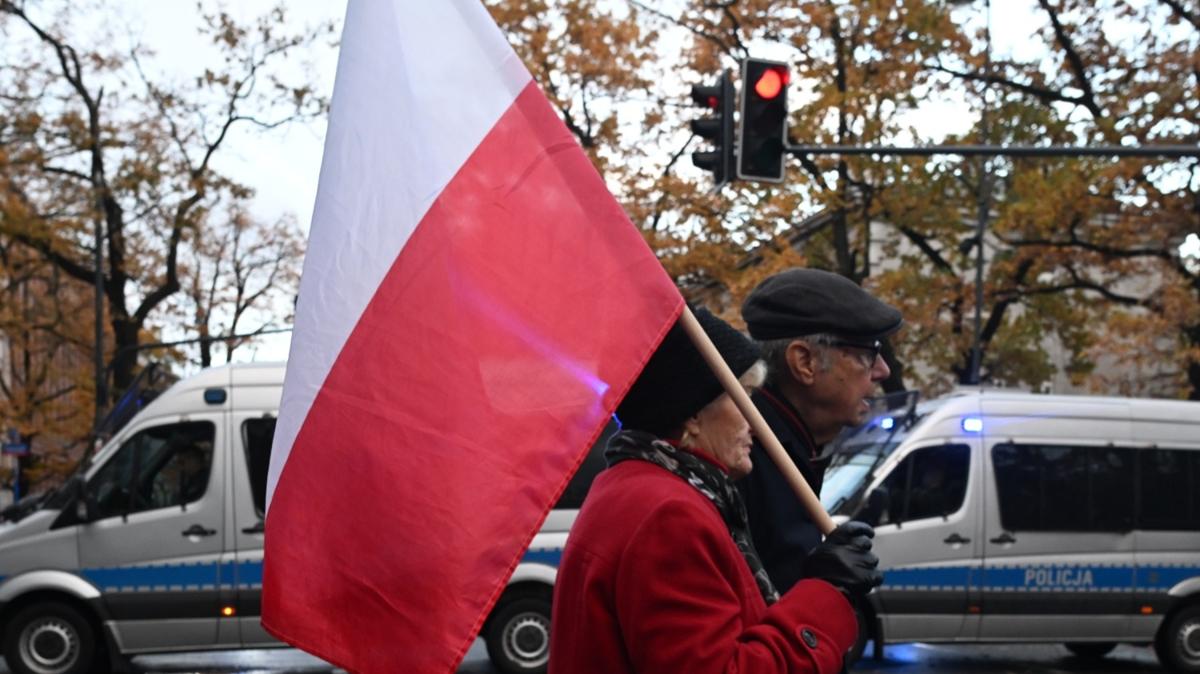
The conflict is rooted in a deep-seated dispute over the composition and authority of the Constitutional Court. The current government, led by Tusk, has maintained that the court, as it was structured by the previous ruling party, Law and Justice (PiS), lacks the necessary independence to function as a true judicial body. Tusk has been vocal about his efforts to restore the tribunal's integrity. However, these attempts have been met with fierce resistance from opposition groups who demand the reinstatement of judges whose legitimacy the government refuses to recognize.

🚨🇵🇱 Poland's constitutional crisis just took another rather EXTRAORDINARY TURN President Karol Nawrocki was reportedly ALMOST BLOCKED from landing in Warsaw after abruptly turning his plane around to confront the crisis at the Constitutional Tribunal. According to reports aired on Polish television, someone allegedly wanted his presidential aircraft denied access to the military section of Warsaw's airport and diverted to another city. The remarkable part: journalists claim the MILITARY REFUSED to follow orders from above, allowing the president to land. Nawrocki did make it back to Warsaw, where he confronted the escalating dispute over the country's highest constitutional court. Now the rather serious question is WHO allegedly tried to prevent Poland's own president from returning to his capital. And whether such an order was ever actually issued. Source: TV Republika / Writer: Oliver
Tusk's address was marked by a sharp critique of the opposition's tactics. He employed a pointed analogy to describe the current state of political discourse, likening the opposition's behavior to a thief who steals a purse from an elderly woman, only to scream about the use of violence when finally apprehended. By framing the opposition's outcry as a disingenuous reaction to the restoration of legal order, Tusk signaled that he would no longer entertain claims of victimhood from those he believes are responsible for the original constitutional breach.
He expressed a sincere hope that the country would never again have to witness the scandalous scenes that occurred outside the Constitutional Tribunal.
Beyond the domestic power struggle, Tusk raised a more alarming concern: the potential for external manipulation. He alleged that the groups currently challenging the government are not acting in isolation. According to the Prime Minister, these factions have sought and received support from pro-Russian forces, utilizing 'armies of internet bots' to amplify discord and destabilize the country. This accusation adds a layer of geopolitical urgency to the crisis, framing the internal judicial dispute as a potential vector for foreign interference in Polish democracy.
Despite the volatility of the situation, Tusk's message was one of defiance. He expressed a sincere hope that the country would never again have to witness the scandalous scenes that occurred outside the Constitutional Tribunal. Yet, he was equally clear that the restoration of peace cannot be achieved through surrender. 'I would very much like for us to never have to see similar scenes in Poland again,' Tusk stated, 'but the way to ensure peace cannot be to take a step back in the face of lawlessness and violence.'
As the standoff continues, the stakes remain high. Tusk framed the current struggle not as a partisan squabble, but as a defense of the nation's core identity. He reminded citizens that the independence and democratic character of Poland are not mere political abstractions but a hard-won 'treasure.' His commitment to this cause appears absolute, as he declared, 'We waited a very long time to obtain a treasure like an independent and democratic Poland; we will not be afraid and we will not take a step back.'
As of late October 2026, the situation remains fluid. The government continues to block the recognition of disputed judges, while the opposition maintains its pressure. With the Prime Minister's latest statement, the lines of battle have been drawn more clearly than ever. The constitutional crisis has become a test of whether Poland's democratic institutions can withstand the pressures of internal polarization and the looming shadow of external digital influence.