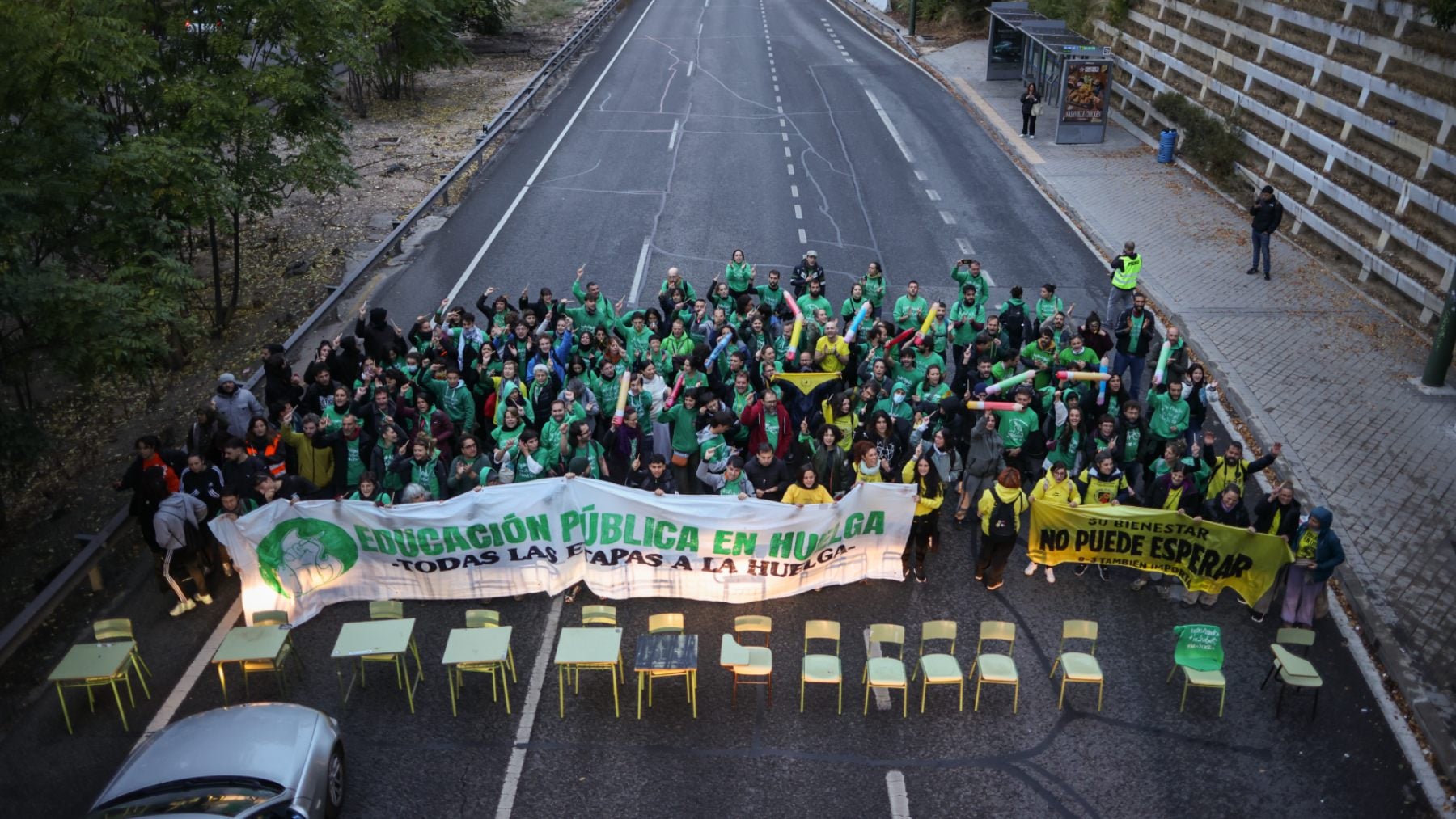
On October 14, teachers across Madrid launched an indefinite strike to defend public education. The walkout, which excludes university staff, quickly became part of a broader movement that frames the struggle as a defence of a universal right to learn. The movement is underpinned by a widespread perception that authorities have failed to engage in adequate dialogue, coupled with a growing sense of institutional mistreatment among educators.
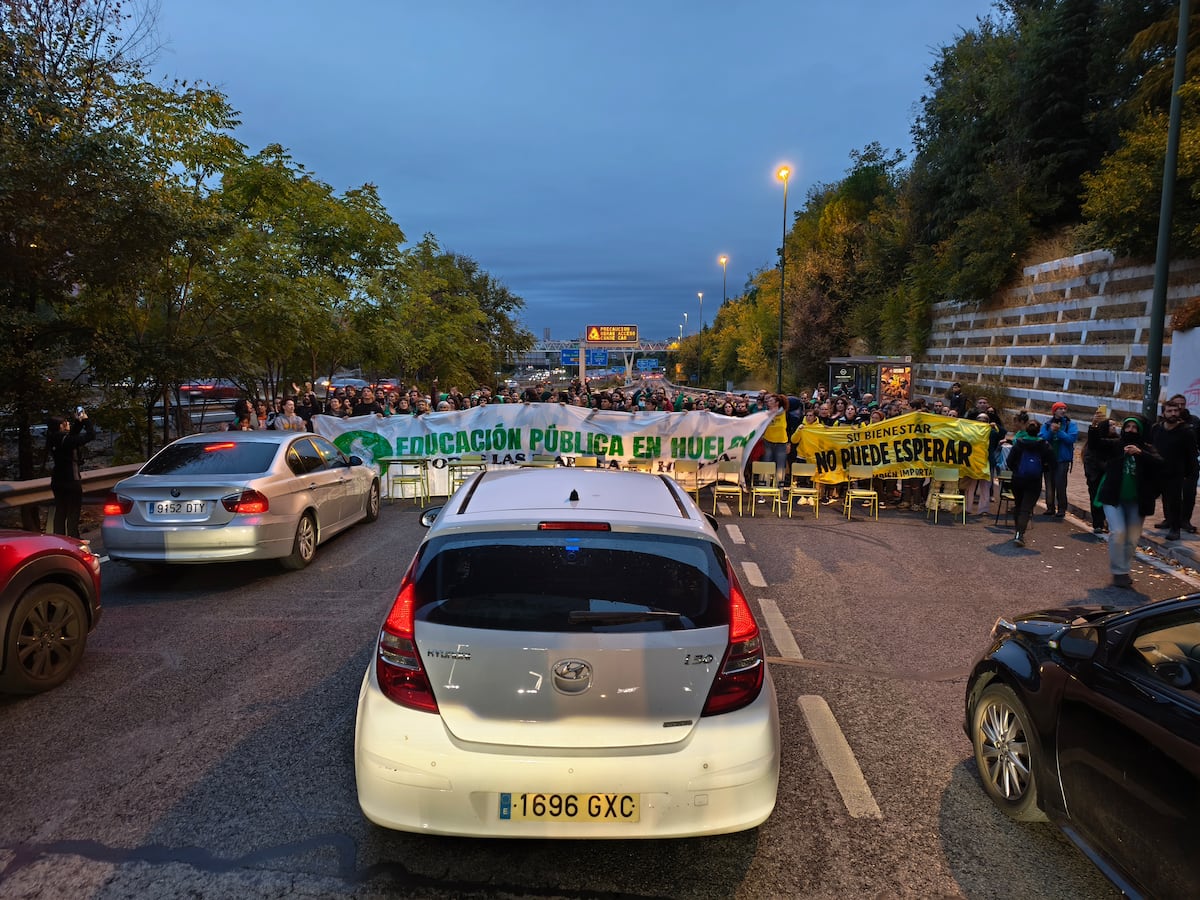
The action took place during the morning rush hour, amplifying the disruption as hundreds of commuters found themselves unable to pass.
As the blockade held, protesters displayed banners and chanted slogans that linked their labour grievances to a wider vision of education. One recurring phrase, heard repeatedly through megaphones and written on signs, was "education is not for sale." The statement underscored the demonstrators’ belief that any move toward privatisation or underfunding threatens the egalitarian character of the school system.
The walkout was not a spontaneous act of individual teachers but received formal support from several major labour federations.
The walkout was not a spontaneous act of individual teachers but received formal support from several major labour federations. CC.OO., CGT, UGT and other unions endorsed the strike, helping to coordinate actions and amplify the protesters’ message. Through their channels, the unions articulated three core demands: a reduction in weekly school hours, a lowering of student‑to‑teacher ratios to allow more individualized attention, and across‑the‑board salary increases to counteract years of wage stagnation.
The occupation of the A-3 caused immediate congestion on one of Madrid’s principal arterial routes. The sustained presence of the protest on a major thoroughfare forced drivers to look for detours, as the disruption extended well beyond the immediate protest zone and affected the broader urban network. While the protest remained peaceful, the sight of educators sitting atop desks amid a sea of halted cars became a striking image of the lengths to which the strikers were willing to go to be heard.
As the blockade persisted, police moved to clear the highway. According to reports from the scene, five individuals were detained on charges of offending a public authority while carrying out their duties.
Following the clearance of the A-3, the strike continues as an indefinite action, with teachers maintaining their presence and continuing to demand the resolution of their grievances. The incident has added a vivid chapter to the ongoing debate over the future of public education in Spain, highlighting both the depth of feeling among educators and the friction that arises when labour protests intersect with vital infrastructure.