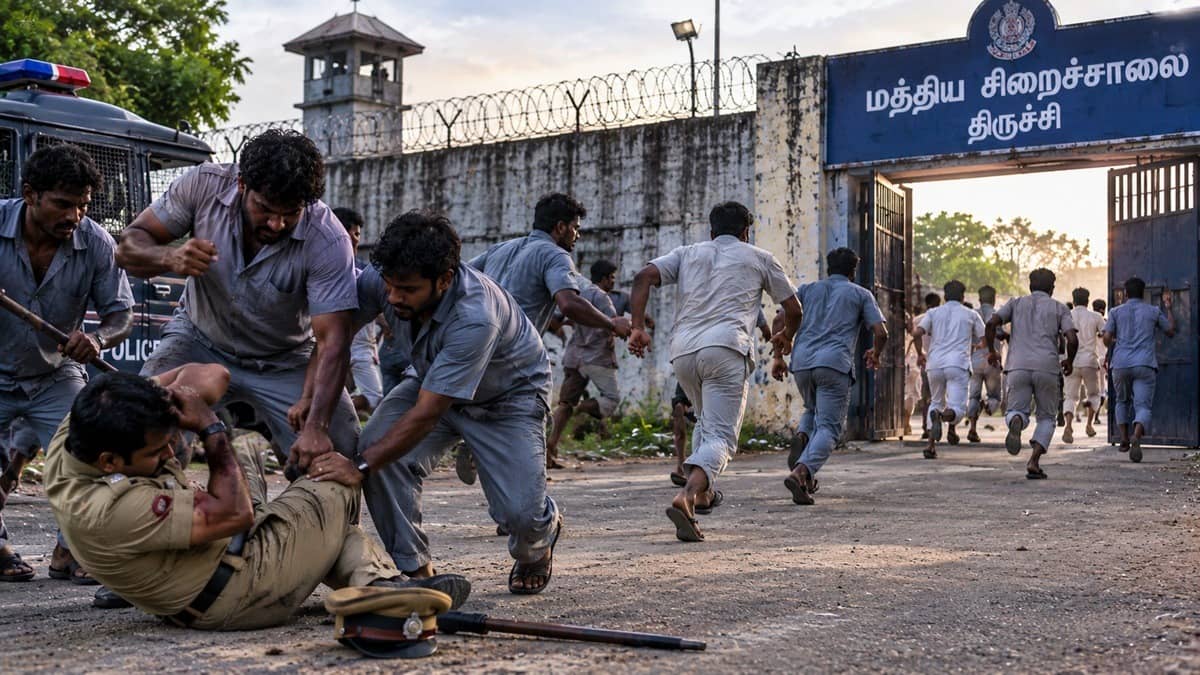
On October 26, 2026, seventeen inmates at Theni Sub-Prison in Tamil Nadu executed a meticulously planned escape that would later be described as an 'epilepsy drama.' The prisoners, all undertrial detainees, began convulsing violently on the prison floor, simulating epileptic fits with such convincing urgency that prison guards rushed to their aid. In the chaos that followed, the inmates turned on their would-be rescuers, overpowering them in a swift, coordinated attack. Two guards sustained injuries during the assault, but the damage had already been done—seventeen prisoners had vanished through unlocked doors, their freedom secured through deception and violence.
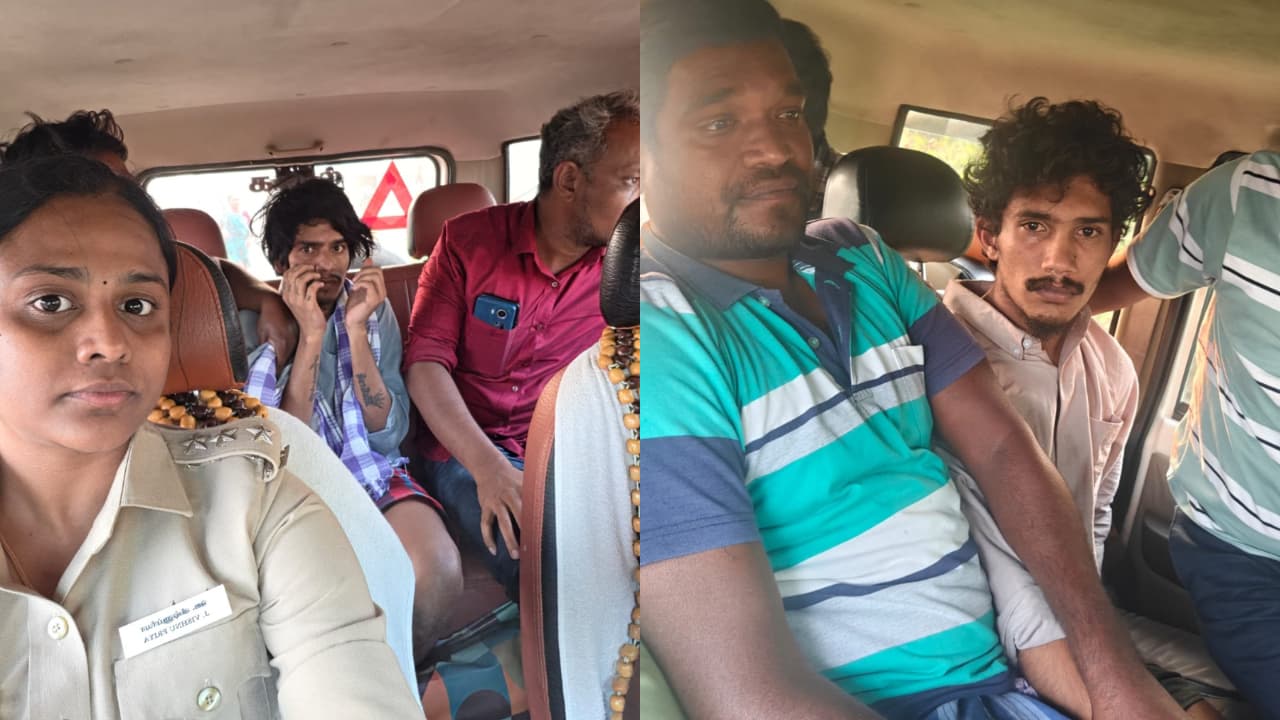
The escape triggered an immediate and extensive manhunt, with Tamil Nadu police deploying special teams to track down the fugitives. By October 27, four of the seventeen escapees had been recaptured, but thirteen remained at large, their whereabouts unknown. The prison authorities, now on high alert, strengthened security measures across correctional facilities in the region. Special inspections were intensified in neighboring districts, particularly Alagappanur, as authorities suspected the fugitives might attempt to flee to Kerala through the porous border districts.
The jail quickly became a political flashpoint, with opposition leaders demanding answers about the glaring security lapse. Edappadi Pachaiyamoorthy, a prominent critic of the ruling TVK government, was particularly scathing in his assessment. "You've been inspecting everything at Puzhal Jail, Chief Minister, have you conducted any investigation into why the prison department is in this state? Was the investigation you conducted genuine? Or like some reports suggest, was it some kind of astrological remedy?" Pachaiyamoorthy questioned during a press conference. "The moment prisoners escaped from Puzhal Jail, measures should have been taken to ensure the security of other prisons. Doesn't the minister have time to ensure prison security?"
As the manhunt continued, the Tamil Nadu government faced mounting pressure to explain how such a brazen escape could occur.
Beyond the political theater, the escape represented a profound failure in the prison system's ability to maintain basic security. Undertrial prisoners, who have not been convicted of crimes but are awaiting trial, should be among the most securely detained individuals. Yet seventeen of them managed to orchestrate an escape that exploited not just physical security measures but also the human instinct to help those in apparent medical distress. The incident raised uncomfortable questions about overcrowding, understaffing, and the adequacy of training for prison personnel who must balance compassion with vigilance.
As the manhunt continued, the Tamil Nadu government faced mounting pressure to explain how such a brazen escape could occur. The incident was being handled by district police with assistance from special investigation teams tasked with determining how the prisoners planned and executed their escape. Were they aided by corrupt officials? Had they been communicating with outside accomplices? These questions remained unanswered as authorities combed through surveillance footage and interviewed prison staff.
The Theni escape was not an isolated incident but part of a troubling pattern in Tamil Nadu's prison system. Previous incidents had raised red flags about security vulnerabilities, yet little seemed to have changed. The AIADMK, the principal opposition party, criticized the government for what they called a dangerous complacency in prison management. "This isn't just about Theni," Edappadi Palaniswami remarked. "It's about a system that's failing to protect both the public and the staff who work in these facilities."
Four days after the escape, the situation remained tense as thirteen fugitives remained at large. The Tamil Nadu police had established checkpoints on major roads and increased surveillance in border districts, but the escapees had demonstrated considerable cunning and determination. For the families of the two injured guards, the incident was a terrifying reminder of the dangers prison staff face daily. For the public, it was a stark illustration of how easily the line between incarceration and freedom could blur when systems fail. The investigation into the Theni jailbreak had just begun, but its implications for prison security across India were already becoming painfully clear.
