
On a Saturday in late October 2026, Indonesia announced it was curtailing natural gas shipments to Singapore. The move, framed as a domestic-energy imperative, came as wildfires sent plumes of haze across the region, clouding skies and straining air quality. The figure announced was precise: 31 million standard cubic feet per day. That was the volume Indonesia would no longer send across the Strait of Malacca, redirecting it toward its own cities and industries.
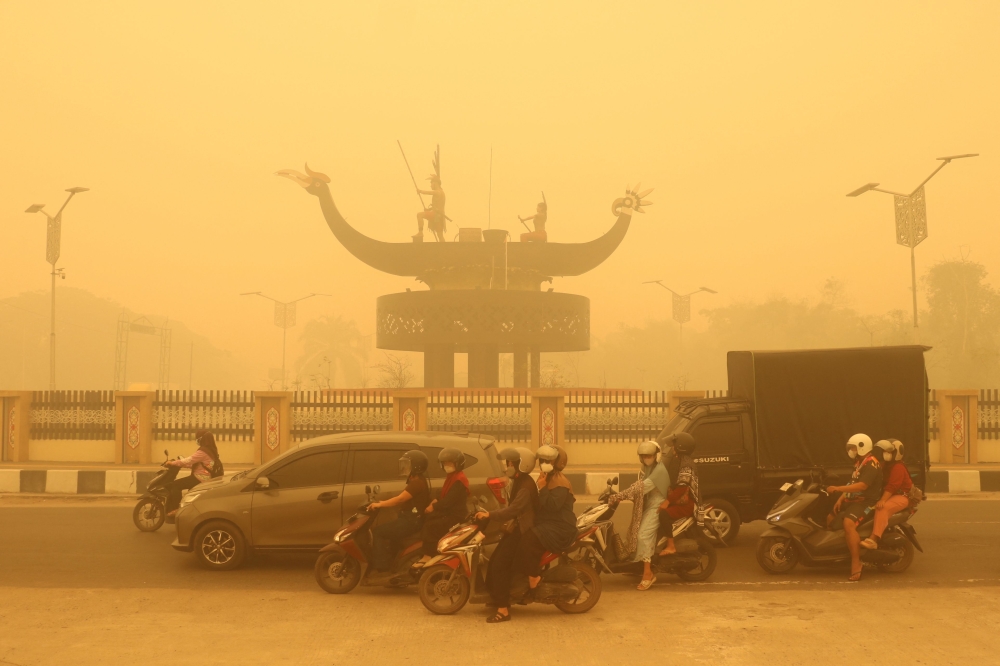
The decision reflected a recalibration of balance. With regional air pollution from wildfires already pressing public health concerns, the Indonesian government said it needed to prioritize domestic demand. The brief’s stances mark both Indonesia and Singapore as neutral, a diplomatic framing that leaves the political weight of the cut to speak for itself. Still, the timing was unmistakable: the dry season, the haze, the familiar rhythm of a region reckoning with environmental limits.
For a city-state that has long relied on steady cross-border energy flows, the warning added a layer of uncertainty. The EMA’s statement underscored how deeply integrated the two economies had become, and how a single policy shift could ripple through markets accustomed to predictable supply.
The connection is direct: wildfires, often linked to land-use practices, have become a flashpoint in regional relations.
The gas cut did not emerge in a vacuum. Source summaries note that the move comes amid a diplomatic spat between Indonesia and neighboring countries over haze and deforestation. The connection is direct: wildfires, often linked to land-use practices, have become a flashpoint in regional relations. By curtailing exports, Indonesia was not only addressing an immediate energy need but also signaling how environmental disputes can reshape economic partnerships. The brief’s neutral stance on both sides keeps the focus on the facts of the cut rather than assigning blame.
The reduction of 31 million standard cubic feet per day is the story’s anchor. To put it in context for a newcomer: this is a substantial volume, enough to affect power generation, industrial output, and the cost of energy in a market that has come to expect a certain baseline from its neighbor. The figure repeats, but the implication is singular: a deliberate reordering of supply.
As of the announced date—24 October 2026—the cut is in effect. The immediate question is whether legal avenues will be pursued, how domestic demand will absorb the redirected gas, and whether the diplomatic undercurrent over haze and deforestation will deepen or diffuse. The chronology stops at the cutoff, but the story’s next chapters will likely unfold in the months ahead, as the region watches how air, energy, and diplomacy intersect.