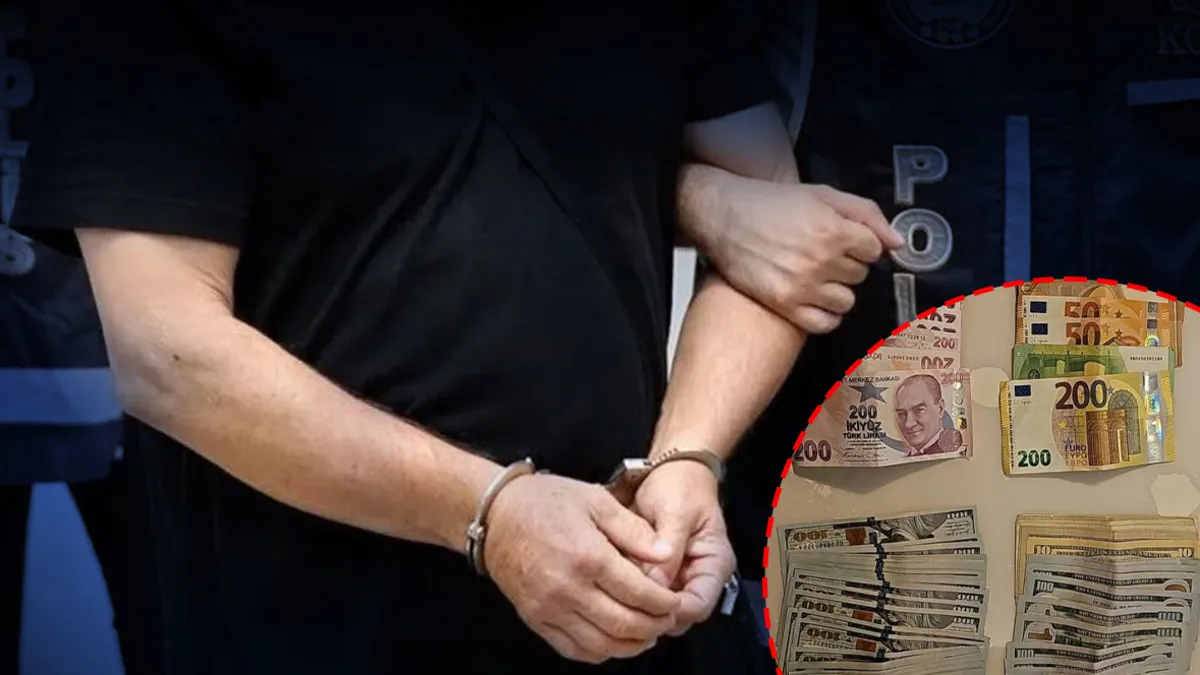
The night air in the Ankara region was thick with tension as authorities executed a synchronized operation on October 27, 2026. This was not a solitary raid but a coordinated effort centered in Ankara involving two provinces. The target was specific: a network accused of financing the DEAŞ terrorist organization. Investigators had identified eighteen suspects linked to this financial web, and the operation resulted in the detention of sixteen of them. Two others remained at large, though efforts continued to bring them in.

At the heart of this investigation was the flow of money intended for the Al-Hol Camp in Syria’s northern province. Records from MASAK and HTS were instrumental in tracing these funds. The suspects were found to have organized fundraising campaigns domestically and abroad. Their goal was not abstract; they were sending money, food, and supplies directly to women and children affiliated with the group held in captivity. This specific targeting highlights the human cost behind the financial data, turning currency into aid for detainees far away.
The operation was orchestrated under the coordination of the Ankara Chief Public Prosecutor's Office. This centralization allowed for simultaneous actions across multiple locations without delay. The legal framework supporting this action included the Anti-Terror Financing Law and the Criminal Code. These provisions provided the necessary authority to freeze assets and detain individuals involved in terrorism financing. The prosecutor's office acted as the engine driving the investigation, ensuring that every step—from identifying the suspects to executing the arrests—was legally sound.
The seizure of gold and foreign currency is particularly telling, as it suggests an attempt to move wealth outside the local economy to support the cause.
By the end of the day, sixteen suspects were caught and detained during the operation. While the total number of identified suspects stood at eighteen, the net closed tightly enough to secure most of the participants. The remaining two fugitives remain at large, but their absence does not negate the success of the operation against the majority. The focus remained on those who could be brought before the law immediately. The swift action demonstrates the operational capacity of the security forces in response to intelligence gathered earlier.
Beyond the people, the physical evidence recovered during the searches was significant. Investigators uncovered blank-firing pistols, banned publications, digital materials, and approximately 2,135,000 Turkish lira in cash, foreign currency, and gold. The seizure of gold and foreign currency is particularly telling, as it suggests an attempt to move wealth outside the local economy to support the cause. The presence of blank-firing pistols indicates preparation for potential resistance or intimidation. All these items were seized during the raids, serving as tangible proof of the funding chain.
The operation was conducted under the provisions of the Anti-Terror Financing Law and the Criminal Code. This means that the seizures are not merely administrative but carry criminal weight. The value of the seized funds stands at approximately 2 million 135 thousand liras. This amount represents the capital that flowed through the hands of the sixteen detained individuals. By freezing these assets, authorities cut off the immediate lifeline of the financing network. The case will likely proceed through the courts, where the full extent of the fundraising activities will be scrutinized.
As of now, the situation remains active regarding the two fugitive suspects. While sixteen individuals are currently in custody, the search for the other two continues. The operation serves as a warning to those attempting to fund terrorism through domestic and international channels. The involvement of the Chief Public Prosecutor's Office ensures that the process remains transparent and accountable. The timeline began on October 27, 2026, and has since solidified the position of the state against these financiers. The case underscores the ongoing struggle to protect citizens from the reach of organizations like DEAŞ.
