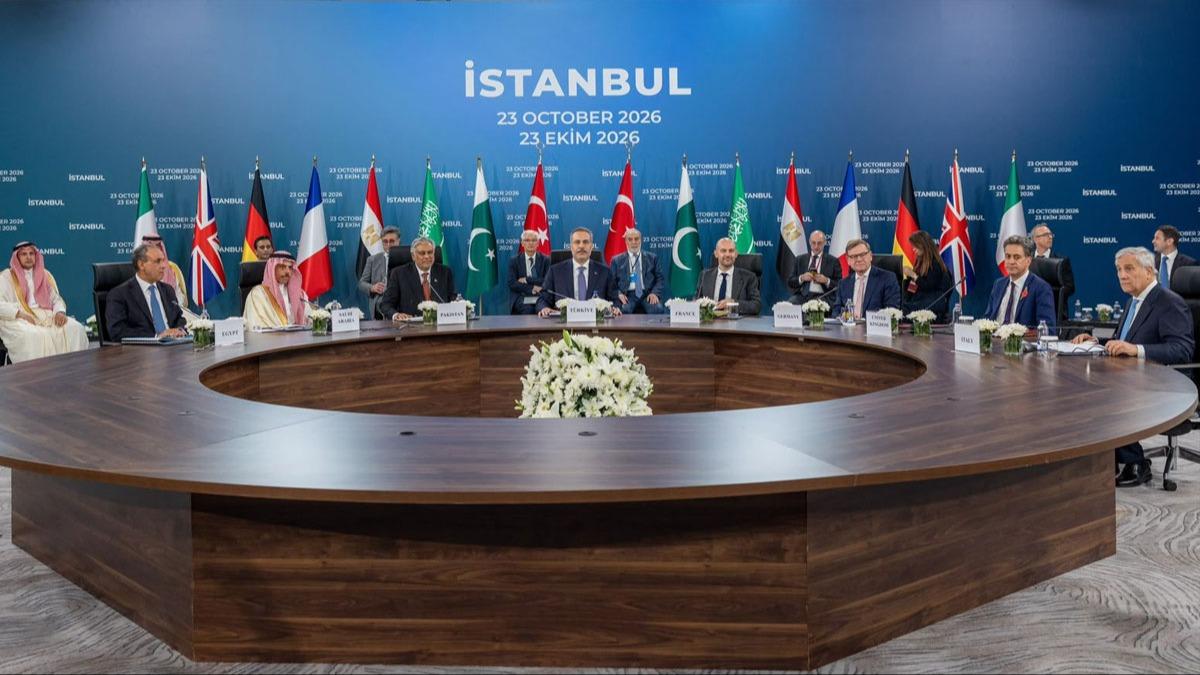
On the evening of October 23, 2026, a high-level diplomatic gathering took place in Istanbul that signaled a significant shift in how international powers approach regional instability. The meeting brought together foreign ministers from eight distinct nations to address a complex web of crises stretching from the Middle East to the global oceans. While geopolitical tensions often fracture alliances, this coalition represented a rare convergence of interests aimed at de-escalating violence through negotiation rather than military escalation.
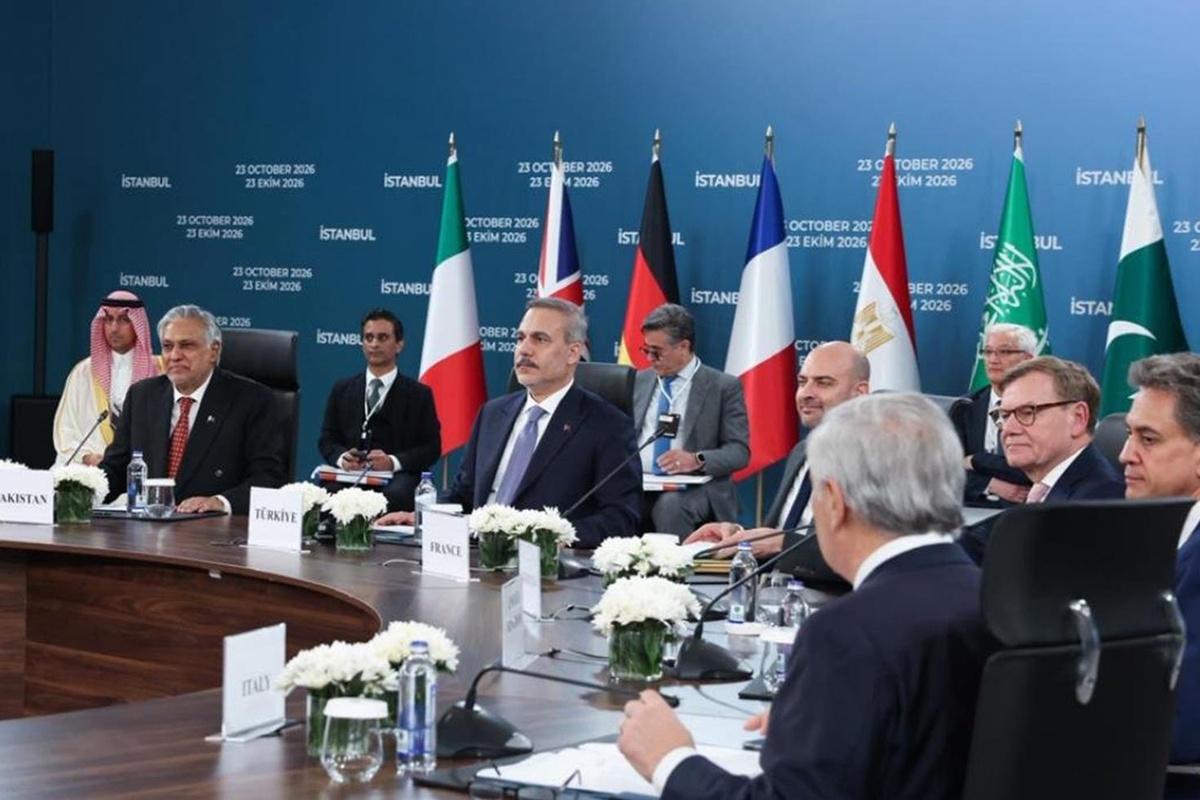
The composition of the group reflected a strategic blend of traditional Western powers and key regional stakeholders. Foreign ministers from Germany, the United Kingdom, France, and Italy joined forces with leaders representing Turkey, Egypt, Pakistan, and Saudi Arabia. This mix created a unique platform where European security concerns intersected directly with the immediate pressures of the Middle East. The decision to convene in Istanbul placed the discussion at the heart of the region, leveraging the city's historical role as a crossroads for trade and diplomacy.
By October 24, 2026, the discussions had moved beyond initial introductions into substantive policy formulation. The presence of both European capitals and regional heavyweight states like Saudi Arabia and Egypt suggested an effort to bridge the gap between established Western frameworks and emerging regional realities. This alignment allowed for a broader perspective on how external threats impact domestic stability across different continents.
These choke points are critical for global energy and trade flows, meaning that instability here could ripple through international markets.
The agenda set by the ministers was not limited to abstract principles but focused on specific, volatile flashpoints threatening global order. Central to the conversation were tensions involving the United States, Israel, and Iran. Participants discussed the implications of the US/Israel-Iran deal and the broader conflict dynamics affecting the region. These discussions extended to the Israeli-Palestinian dispute, where the need for a negotiated two-state solution was explicitly highlighted as a priority for peace.
Beyond the land-based conflicts, the ministers also addressed maritime security challenges. Reports indicated significant focus on Houthi attacks and the escalating tensions surrounding the Bab el-Mandeb strait and the Hormuz Strait. These choke points are critical for global energy and trade flows, meaning that instability here could ripple through international markets. By bringing these issues to the table alongside political disputes, the group acknowledged that economic security is inextricably linked to political stability.
A recurring theme throughout the meetings was the insistence on dialogue as the primary mechanism for change. The ministers emphasized that resolving regional conflicts required urgent efforts through diplomacy rather than force. They called for lasting agreements under the auspices of the UN Security Council, suggesting a desire to anchor future resolutions within existing international legal frameworks. This approach prioritized multilateralism, aiming to prevent unilateral actions that could further destabilize the situation.
The commitment to a two-state solution for Palestine indicates a willingness to engage with long-standing political grievances through established diplomatic channels. Furthermore, the pledge to continue such dialogues suggests that this format is intended to be sustained, rather than a one-off event. The goal was to establish a rhythm of communication that could withstand the volatility of daily news cycles and prevent hardening of positions.
As the meetings concluded on October 24, 2026, the consensus among the participants remained clear: the current trajectory of conflict poses unacceptable risks to global stability. Ministers stated that resolving regional conflicts requires an urgent need for dialogue and diplomatic efforts. This statement served as both a declaration of intent and a call to action for their respective governments to prioritize these conversations in their domestic policy agendas.
The agreement to maintain this format of cooperation implies a recognition that individual nations cannot solve these problems in isolation. By pooling resources and political capital, the eight countries sought to create a buffer against the worst outcomes of ongoing hostilities. Whether through the resolution of the US/Israel-Iran tensions or the management of Houthi attacks, the shared objective was to secure a future defined by peace and stability rather than continued insecurity.
Today, the world watches to see if this coalition can translate its agreement into tangible results. The gathering in Istanbul remains a reference point for how diverse nations might collaborate when faced with existential threats. For now, the path forward relies on the continued adherence to the principles laid out during those days in October, trusting that dialogue will remain the preferred method for navigating the complexities of modern geopolitics.