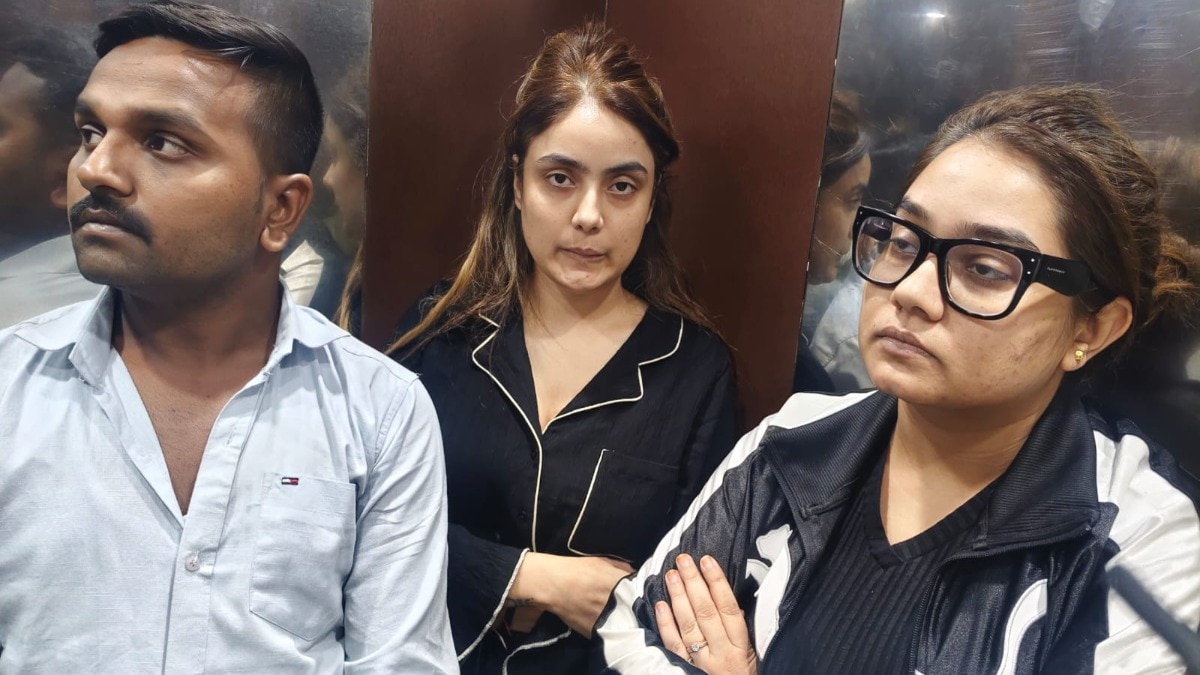
For Shraddha and Rashmi, the transition from the relative comforts of Lucknow to the confines of Gorakhpur was more than just a change in geography; it was a fundamental shift in the nature of their confinement. The two women, who stand accused in a multi-church massacre, found themselves transferred to a jail in Gorakhpur on October 24, 2026. For a time, their experience behind bars had been defined by a sense of luxury, a stark contrast to the standard reality of the penal system. But that period of ease has come to an abrupt end.

On that first night in Gorakhpur, the silence of luxury was replaced by the heavy, restless atmosphere of a general barrack. The adjustment was not merely psychological but deeply physical. The transition from their previous environment meant facing a reality where sleep does not come easily. Reports from the facility suggest a night spent tossing and turning, as the two women struggled to reconcile their former lifestyle with the harsh, unyielding conditions of their new surroundings.
Space, once perhaps a commodity they could command, has been replaced by the density of communal living. Shraddha and Rashmi are no longer in isolation or comfort; they are now housed in a general barrack alongside 45 other female inmates. This sudden proximity to a large group of women, all navigating the same institutional constraints, marks a significant turning point in their detention. The social and physical landscape of their daily lives has been completely rewritten by the transfer.
The meals provided in the Gorakhpur facility have proven to be a jarring departure from what they were accustomed to.
Even the most basic necessity—sustenance—has become a source of friction and discomfort. The meals provided in the Gorakhpur facility have proven to be a jarring departure from what they were accustomed to. The food, prepared for the general population, did not meet their preferences, serving as a daily, tangible reminder of their loss of agency. In the hierarchy of prison life, the loss of control over one's diet is often one of the first ways the weight of incarceration is felt.
As they attempt to navigate this new existence, Shraddha and Rashmi are under constant supervision. The administration of the Gorakhpur jail maintains a strict protocol to manage the general barrack, with both female and male deputy warders monitoring the inmates. This oversight ensures that the transition, however difficult for the accused, remains within the controlled parameters of the facility. For the two women, the luxury of privacy has been entirely surrendered to the watchful gaze of the state.