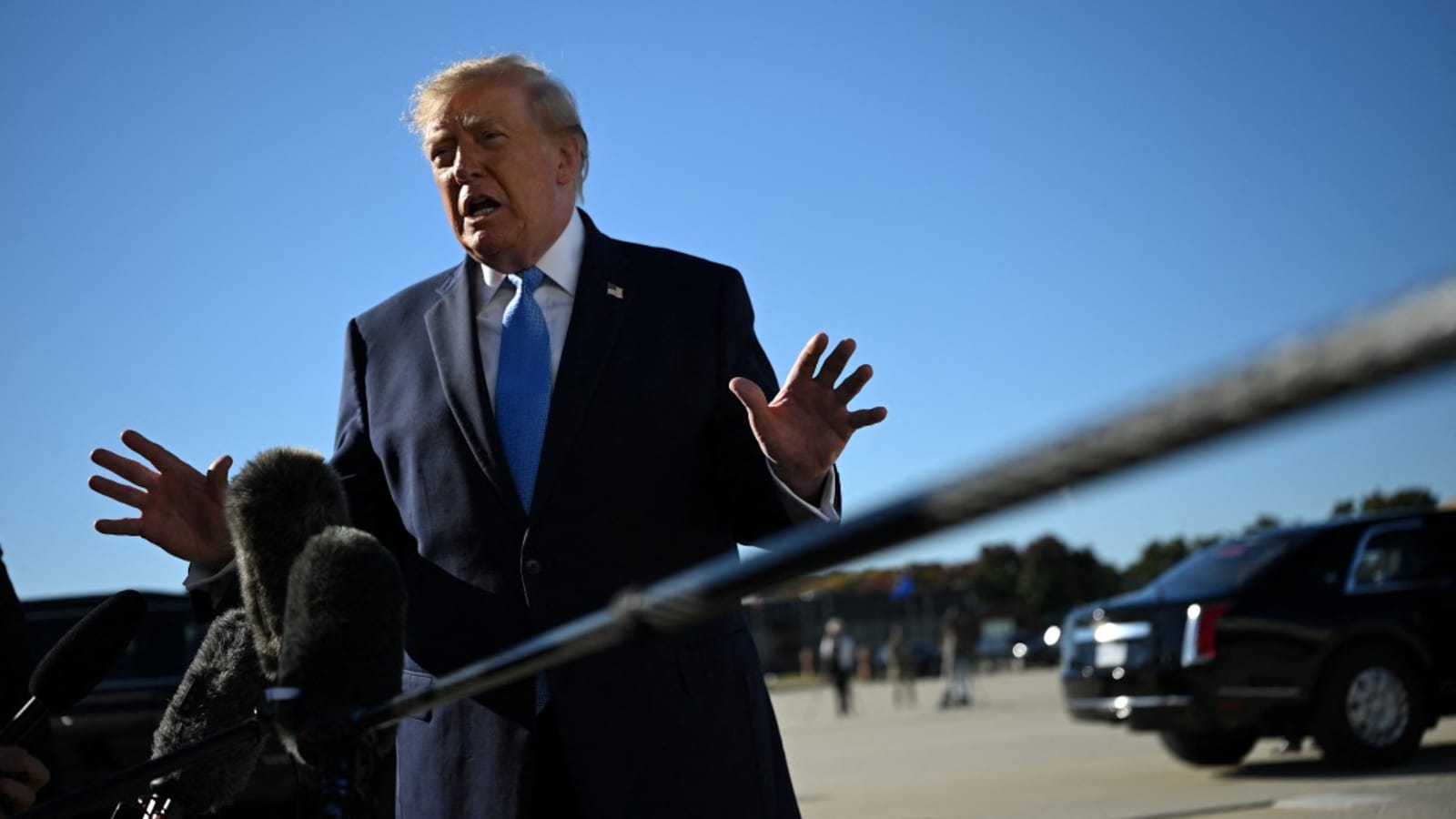
In the high-tension countdown to the 2026 midterm elections, the political landscape has shifted from mere rhetoric to a direct financial incentive. On October 26, 2026, President Donald Trump announced a $1 million reward for information that leads to the arrest and conviction of individuals responsible for alleged voter fraud. It is a move that injects a massive sum of money into the already volatile atmosphere of American electoral politics, setting a precedent for how allegations of misconduct are pursued in the public eye.

The announcement does not exist in a vacuum. It arrives at a moment of significant political pressure, coming just over a week before the midterms are set to take place. For Trump, the reward follows a series of high-profile campaign promises made in recent weeks, signaling a continued focus on the integrity of the voting process. However, the timing is also colored by a shifting political tide; as this bounty is announced, recent polling indicates that Democrats are pulling ahead.
The terms of the offer are specific and tied to a legal outcome rather than mere suspicion. According to the President, the payout is contingent upon more than just a tip; it requires the actual arrest and conviction of those deemed to have created fraud. This distinction is critical, as it moves the promise from the realm of hearsay into the sphere of criminal prosecution.
The President's focus on voter fraud has become a recurring theme in his political messaging, often used to frame the electoral process as being under threat.
"Anybody reporting Voter Fraud in the past Elections, or the upcoming 2026 Midterm Election, will be paid $1,000,000 upon the arrest and conviction of those that created the Fraud!" Trump declared. The scope of the reward is broad, covering not only the upcoming midterm elections but also reaching back to investigate alleged irregularities in past elections.
This latest move follows a history of repeated claims regarding the 2020 election, which have been characterized as false. The President's focus on voter fraud has become a recurring theme in his political messaging, often used to frame the electoral process as being under threat. By attaching a million-dollar price tag to these claims, the administration is elevating the issue from a campaign talking point to a formal, incentivized investigation.
Yet, the reality of election integrity often sits in tension with these high-profile accusations. Studies cited by AFP have found that voter fraud remains a rare occurrence in United States elections. This includes instances of voting by non-citizens, an act that is already prohibited under federal law. The gap between the perceived threat of fraud and the statistical rarity of such events remains a central friction point in the American political discourse.
While the President focuses on the broader national narrative of fraud, the Justice Department is engaged in a specific, localized legal battle that mirrors the heightened scrutiny of the election cycle. On the same day the reward was announced, the Justice Department filed a lawsuit aimed at preventing the state of Alaska from certifying its Senate election results.
The legal challenge centers on a specific scenario: if the Republican incumbent, Dan Sullivan, were to lose his seat. The Department has cited concerns regarding possible voter confusion, specifically involving another candidate who shares the same name. This move by the Justice Department highlights how even administrative or naming complexities can be escalated into major legal confrontations during an election season.
As the midterms draw closer, the intersection of these events—the million-dollar bounty, the legal challenges in Alaska, and the shifting polls—creates a complex environment for voters. The announcement of the reward comes at a time when the stakes for both parties are exceptionally high, with the Democrats showing strength in the polls and the Republican administration doubling down on its focus on election security.
With only about a week remaining before the polls open, the atmosphere is one of intense anticipation and legal maneuvering. The promise of a million dollars for convictions introduces a new variable into the electoral equation, one that links the pursuit of criminal justice directly to the political outcomes of the 2026 midterms.