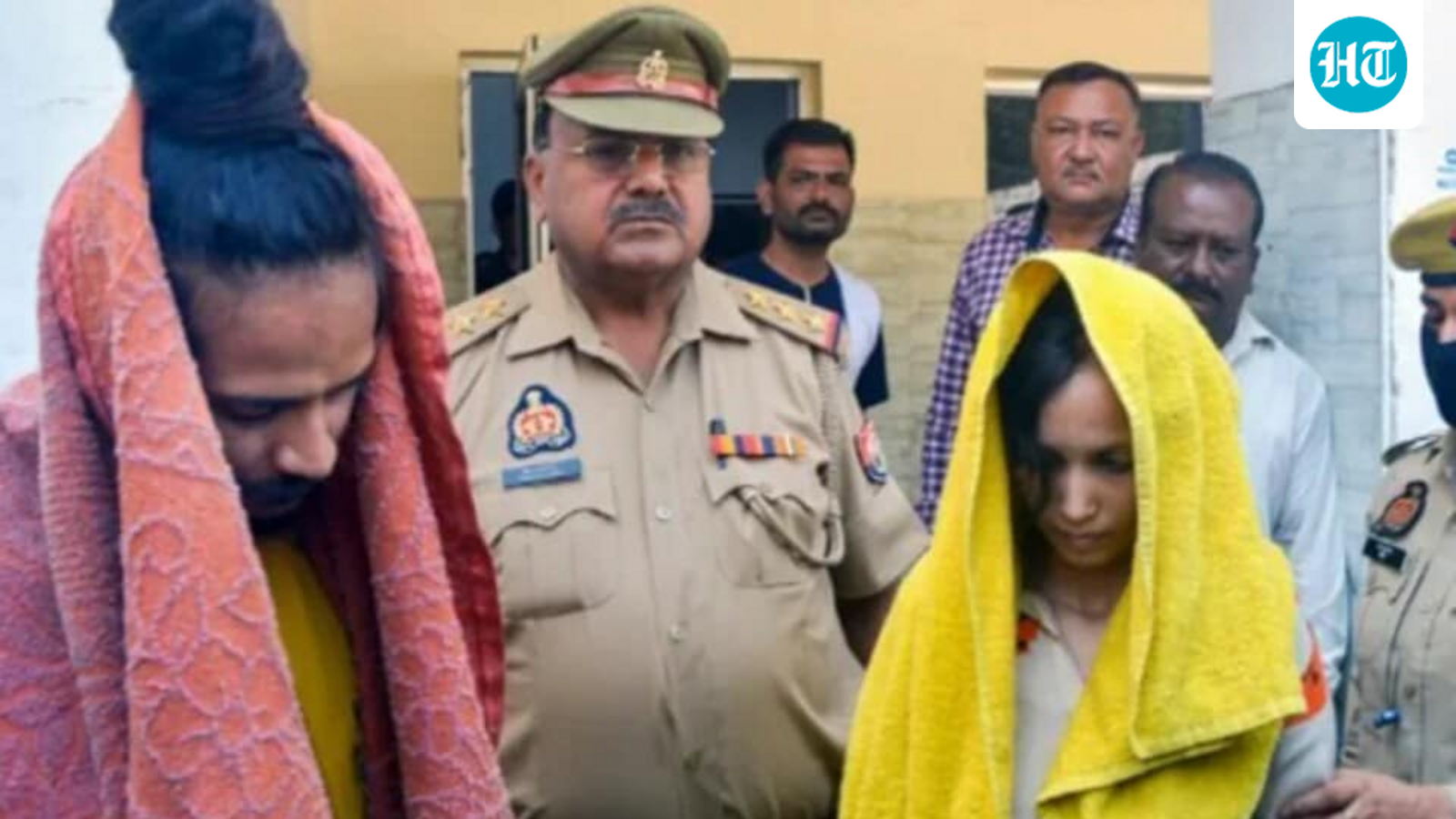
On October 14, 2026, the courtroom in Meerut reverberated with the weight of a death sentence. Muskan Rastogi and Sahil Shukla, convicted of the brutal "blue drum" murder, were each condemned to die and ordered to pay a fine of 50,000 ₹. The verdict, handed down by a trial court, marked the culmination of a high‑profile investigation that had gripped the region for months.

Just sixteen days later, on October 30, 2026, the two convicts lodged formal appeals with the Allahabad High Court. Their filings, lodged jointly, set the stage for a legal battle that would test the limits of India’s criminal jurisprudence. In their petitions, both Rastogi and Shukla maintain a neutral stance, focusing not on emotion but on the procedural integrity of their trial.
At the heart of the appeal lies a single, stark claim: the prosecution failed to prove its case beyond reasonable doubt. In Indian criminal law, the standard of “beyond reasonable doubt” is the highest evidentiary bar, intended to safeguard individuals from wrongful conviction. The appellants argue that the trial court leaned on speculation rather than concrete proof, suggesting that the evidence presented did not rise to the level required for a capital punishment.
India’s death penalty is reserved for the “rarest of rare” cases, a doctrine established by the Supreme Court to ensure that capital punishment is applied sparingly.
The Allahabad High Court, one of India’s oldest and most influential judicial bodies, serves as the appellate forum for cases from Uttar Pradesh, the state that includes Meerut. Its judges are tasked with reviewing lower‑court decisions for legal errors, misapplication of statutes, and violations of procedural safeguards. By bringing their case before this court, Rastogi and Shukla are seeking a reassessment of the trial court’s findings, hoping to overturn the death sentences and the accompanying fine.
India’s death penalty is reserved for the “rarest of rare” cases, a doctrine established by the Supreme Court to ensure that capital punishment is applied sparingly. The imposition of death sentences in the "blue drum" case underscores the gravity with which the trial court viewed the crime. Yet, the appellate process provides a crucial checkpoint, allowing higher courts to scrutinize whether the lower court’s conclusion aligns with constitutional protections and evidentiary standards.
The appeal filed on October 30 marks the beginning of a procedural journey that could extend for months, if not years. The Allahabad High Court will examine the trial record, the arguments presented by both the prosecution and the defense, and the legal precedents governing capital cases. While Rastogi and Shukla have not offered new evidence, their challenge hinges on the assertion that the original trial was fundamentally flawed.
Although the specifics of the "blue drum" murder remain confined to court documents, the case reverberates across India’s legal landscape. It spotlights the delicate balance between delivering justice for heinous crimes and upholding the rigorous standards that protect against wrongful execution. As the appeal proceeds, observers will watch closely to see whether the Allahabad High Court affirms the trial court’s verdict or sets a precedent that reshapes the application of the death penalty in similar cases.
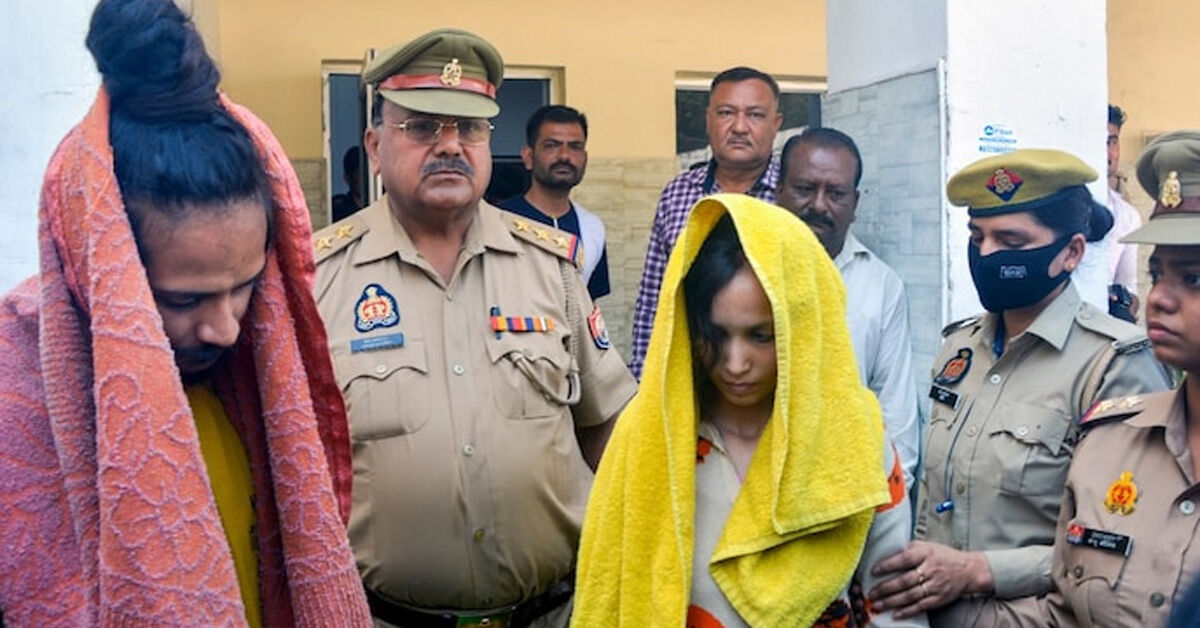
At present, Muskan Rastogi and Sahil Shukla remain under the shadow of a death sentence, pending the Allahabad High Court’s review. Their appeal underscores a broader conversation about the evidentiary thresholds required for capital punishment and the role of appellate courts in safeguarding constitutional rights. The outcome of this appeal will not only determine the fate of two individuals but also contribute to the evolving jurisprudence surrounding India’s most severe criminal sanction.