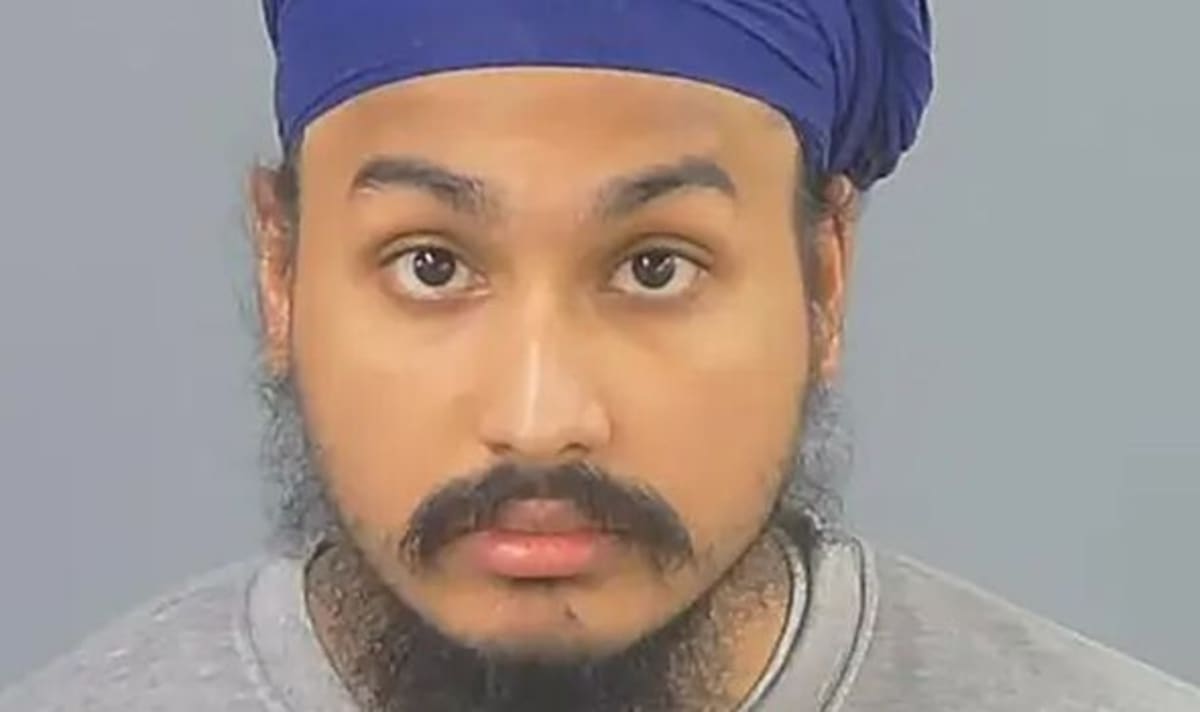
On a fateful night in 2023, 18-year-old Henry Nowak, a promising student with a bright future, was brutally murdered in Southampton. The crime shocked the community and left a deep scar on the Nowak family. The perpetrator, Vickrum Digwa, was quickly apprehended and charged with murder. The trial that followed was a somber affair, with the prosecution painting a picture of incomprehensible cruelty and the defense struggling to find any mitigating factors. In the end, Digwa was found guilty and sentenced to life in prison with a 21-year minimum term. For the Nowak family, the sentence felt like a small victory, but also a bittersweet one, as it did not fully capture the gravity of the crime.

The initial sentence of 21 years was seen by many as unduly lenient. The Court of Appeal, in reviewing the case, found that Digwa's actions were 'incomprehensible cruelty.' He had not only stabbed Henry Nowak but also filmed and taunted him after the attack. The judges cited these actions as reasons for the increased sentence. The original sentence was deemed 'manifestly excessive' and was reduced. This decision left the Nowak family feeling let down and the community questioning the fairness of the justice system.

BREAKING: The Court of Appeal has judged that Vickrum Digwa's sentence for murdering Henry Nowak should be *increased* to a minimum term of at least 25 years, up from 21 years. Digwa's appeal to reduce his sentence is refused.
Katie Nowak, Henry's sister, expressed her frustration and disappointment with the original sentence in an interview. 'It just doesn't feel fair to us at all,' she said. 'It's another process that we've got to go through. It's another fight that we have to have.' The Nowak family's determination to see justice served was evident, and they were not willing to rest until they felt their son's memory was honored.
The case then went through an appeal process, with the Attorney General Ellie Reeves and the defense making their arguments.
In November 2026, the Court of Appeal made a significant decision. The judges increased the minimum term of Vickrum Digwa's sentence from 21 years to 25 years. This decision was based on the severity of his actions and the overall seriousness of the murder. The judges cited Digwa's filming and taunting of the victim as key factors in their decision. The original sentence was deemed 'manifestly excessive' and was reduced. The Nowak family welcomed the decision, seeing it as a step towards closure and justice.

It appears police are encouraging the families of crime victims such as Henry Nowak to deliver politically convenient messages instead of expressing how they feel. Maybe it's time to look back in anger, says Paul Birch. https://t.co/aVxyr5niNo
The legal process that led to the increased sentence was complex and involved several stages. Initially, the Court of Appeal heard the case and increased the minimum term to 25 years. However, this decision was not final. The case then went through an appeal process, with the Attorney General Ellie Reeves and the defense making their arguments. In the end, the Court of Appeal's decision was upheld, and the sentence was increased to 25 years. This decision was a culmination of months of legal proceedings and a testament to the Nowak family's unwavering commitment to justice.
Lady Chief Justice Baroness Carr, presiding over the case, emphasized the importance of the Court of Appeal's role in ensuring that sentences are fair and just. 'Our responsibility is to ensure that the sentences reflect the severity of the crimes,' she stated. 'We must balance the need for retribution with the goal of rehabilitation.' The judges' decision to increase the sentence was a clear indication of their commitment to upholding the law and ensuring that justice was served.

The family of 18-year-old Henry Nowak say the way officers dealt with the incident surrounding their son's murder was 'inexcusable'. In an exclusive interview with ITV News UK Editor Paul Brand, the family say they were unaware of the contents of officers’ bodycam footage from the scene of the crime, which detailed the 'horrific' final moments of their son's life. Speaking publicly for the first time, Henry's father, Mark and stepmother, Katie said they only saw the video on the first day of the trial of their son's killer. Watch 'Dear Henry: Our Fight for Justice' on November 5th, 9pm, on ITV1, ITVX or stream on YouTube via the link in our bio. #henrynowak
The increased sentence had a profound impact on the community. The Nowak family's fight for justice resonated with many, and the case brought attention to the issue of leniency in sentencing. The community rallied around the Nowak family, offering support and solidarity. The increased sentence was seen as a symbol of hope and a reminder that justice can be achieved, even in the face of overwhelming odds.
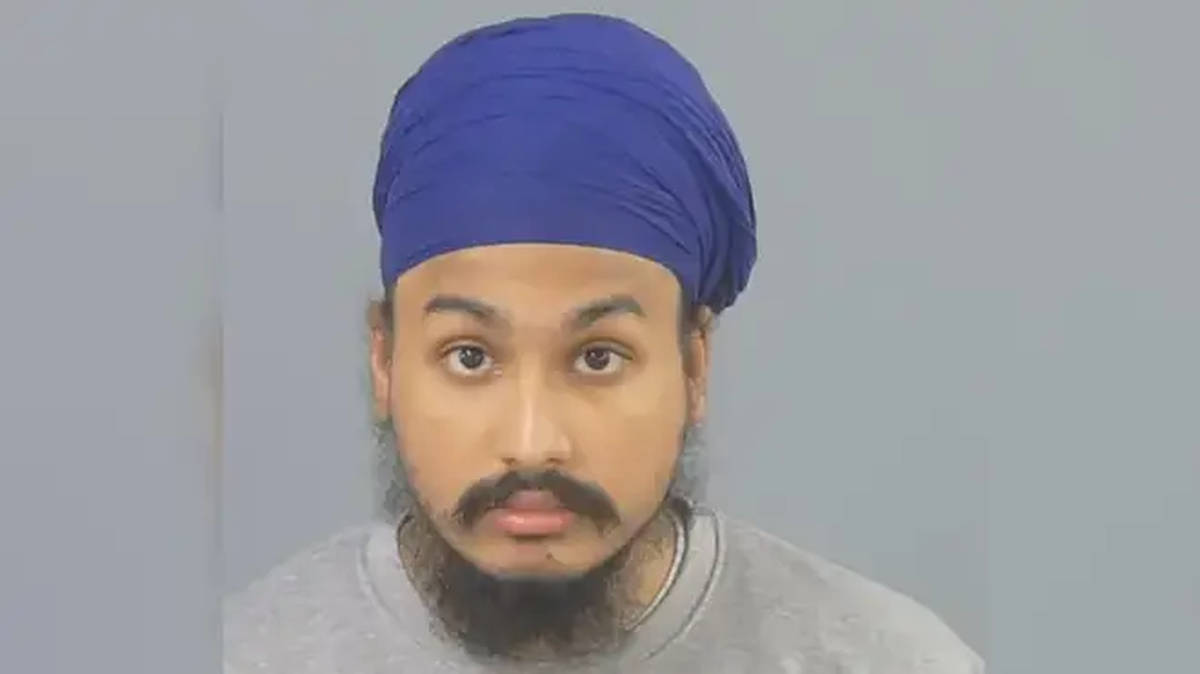
Henry Nowak's family expressed their gratitude for the increased sentence. 'We welcome today’s decision by the Court of Appeal to increase the minimum prison term for Vickrum Digwa, the man who murdered our son, to 24 years and 190 days,' they said in a statement. The family's statement was a testament to their resilience and their unwavering commitment to seeing justice served. The Nowak family's fight for justice was a powerful reminder of the importance of the legal system and the role it plays in ensuring that victims and their families are heard.
The case of Vickrum Digwa and the increased sentence serves as a reminder of the complexities of the justice system and the ongoing struggle for justice. While the sentence increase was a step in the right direction, it also highlights the need for further reform and the importance of ensuring that sentences reflect the severity of the crimes committed. The Nowak family's journey is a powerful story of resilience and the unwavering pursuit of justice, and it serves as an inspiration to many.