
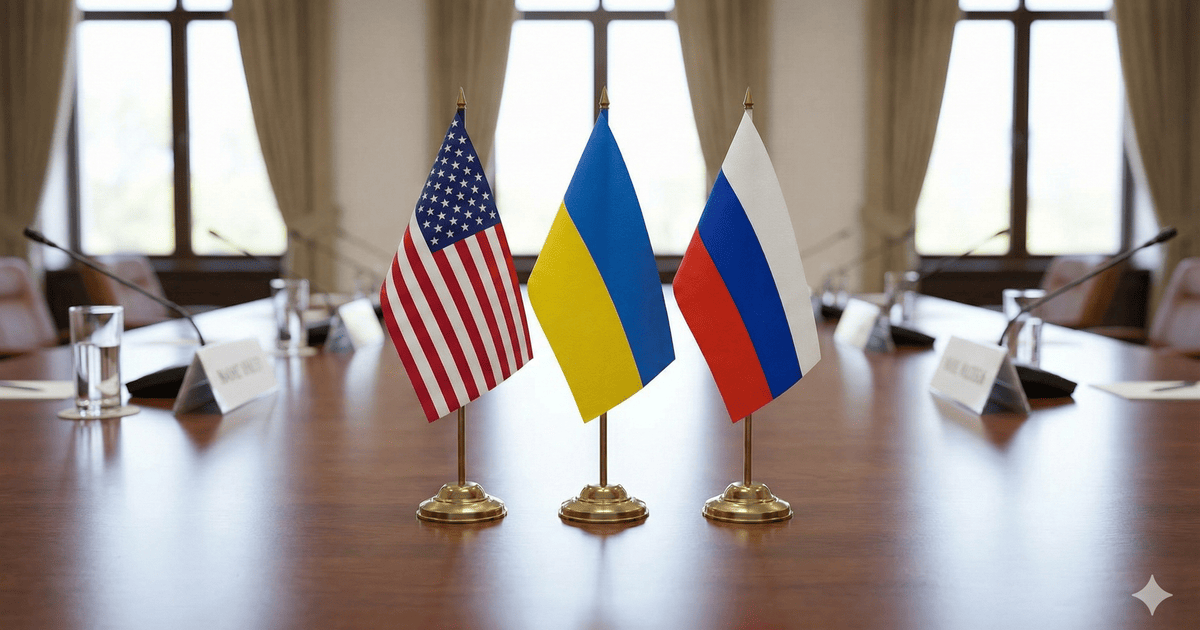
The desert city of Abu Dhabi, known more for its skyscrapers and luxury souks than for its role in global diplomacy, is about to become the unlikely setting for one of the most delicate negotiations of the 21st century. On November 10–11, the United States will host working-level talks between Russia and Ukraine—two nations locked in a war that has killed tens of thousands, displaced millions, and forced Europe to confront its security future. The choice of Abu Dhabi isn’t arbitrary. For a mediator like the U.S., neutrality is key, and the UAE’s long-standing practice of hosting high-stakes discussions (from Iran nuclear talks to Saudi-Iran détente) makes it a proven neutral ground.
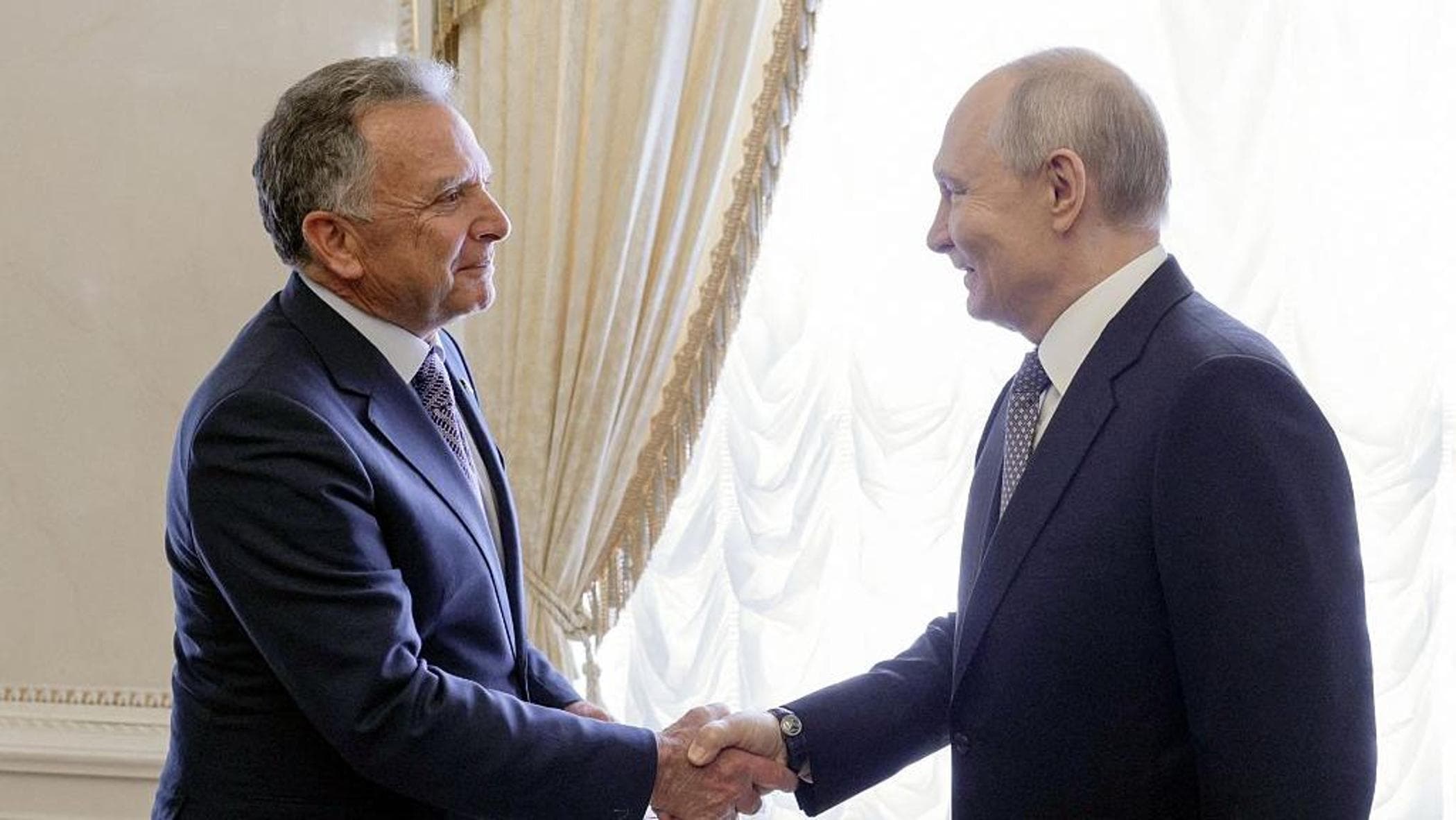
Witkoff’s message on X (formerly Twitter) was direct: "The United States will act as a mediator in working-level talks between Ukraine and Russia on November 10–11 in Abu Dhabi, advancing President Trump’s mission to end the war." The phrasing is deliberate. By tying the talks to Trump’s broader foreign policy agenda, Witkoff signals that this isn’t just another round of diplomacy—it’s a test of whether the U.S. can deliver on its promise to bring the war to a close.
One glaring absence looms over the Abu Dhabi negotiations: China. For months, Beijing has been the silent giant in Ukraine’s geopolitical chessboard. Russia’s closest ally, China has refused to condemn Moscow’s invasion, instead framing the war as a Western provocation. Yet when it comes to actual peace talks, China has been conspicuously absent. Earlier summits—like the 2023 Istanbul talks, where Ukraine and Russia met under Turkish mediation—saw China’s representatives on the sidelines, watching rather than participating. This time, there’s no sign of Chinese involvement at all.
If the negotiations fail, the risk of a renewed Russian assault on Ukrainian cities could rise sharply.
The reason for China’s absence is as telling as it is problematic. Beijing has long insisted that any peace deal must include Russia’s core demands: the recognition of its annexations of Ukrainian territories and a neutral Ukraine that would never join NATO. But China’s reluctance to engage directly suggests a deeper reluctance to use its influence—however limited—to pressure Russia into concessions. Without China at the table, the talks risk becoming a conversation between two parties with fundamentally incompatible visions of peace. Ukraine’s delegation will push for security guarantees that prevent further Russian aggression, while Russia’s representatives will likely demand territorial concessions in exchange for a ceasefire. Without a third party willing to bridge that gap, the risk of deadlock is high.

JUST IN: United States to mediate peace negotiations between Russia & Ukraine on November 10–11 in Abu Dhabi.
While diplomats gather in Abu Dhabi, another critical meeting is unfolding in Brussels. There, U.S. negotiators are meeting with representatives from France, Germany, the UK, the EU, and NATO to discuss the post-war security architecture of Europe. The stakes here are just as high as in Abu Dhabi—perhaps even higher. The war in Ukraine has forced Europe to confront a harsh reality: its security model, built on NATO’s Article 5 mutual defense clause, is no longer enough. If the war ends, Europe will need a new framework to deter Russian aggression, rebuild Ukraine’s economy, and ensure that Moscow cannot launch another invasion.
The discussions in Brussels are focused on three pillars: security guarantees for Ukraine, a new European security architecture, and economic support for Ukraine’s reconstruction. The first is the most urgent. Ukraine’s leaders have made it clear that any peace deal must include ironclad security assurances—likely in the form of long-term NATO membership or a new collective security pact. But Russia has repeatedly rejected such guarantees, arguing they would turn Ukraine into a Western puppet state. The second pillar—redesigning Europe’s security framework—is even more fraught. The old system, built on Cold War-era treaties, is collapsing. A new one will need to balance Russia’s security concerns (however legitimate they may be) with the sovereignty of former Soviet states like Ukraine, Georgia, and the Baltics.
The third pillar, economic reconstruction, is where the money—and the politics—get messy. Ukraine’s infrastructure has been devastated, with cities like Kharkiv and Mariupol lying in ruins. Rebuilding will cost hundreds of billions of dollars, and the question of who pays is already sparking debates. The U.S. has pledged billions in aid, but Europe is divided. Some countries, like Germany, are pushing for a Marshall Plan-style reconstruction fund, while others, like Hungary, are dragging their feet, fearing the costs will fall disproportionately on them.
As diplomats prepare for Abu Dhabi, another story is unfolding in Poland—one that underscores the fragility of the current ceasefire. Earlier this month, Poland announced that it would host 2,800 military personnel for joint exercises with NATO allies. The drills, while routine in peacetime, carry a different weight now. They are a clear message to Russia: NATO is not backing down. But they also risk provoking Moscow, which has already accused the West of escalating tensions by expanding military support to Ukraine.
The timing of the exercises is significant. They come as Russia’s military has been quietly rebuilding its forces along the Ukrainian front, with reports of increased artillery shelling in recent weeks. While neither side has announced a major offensive, the drumbeat of war is never far away. The Abu Dhabi talks, then, are not just about diplomacy—they are about preventing a return to full-scale war. If the negotiations fail, the risk of a renewed Russian assault on Ukrainian cities could rise sharply.

Trilateral talks among US, Russia and Ukraine to take place in Abu Dhabi after midterms: US official https://t.co/Ka4rM45WYg
For Ukraine’s delegation in Abu Dhabi, the talks are a high-stakes gamble. Kyiv’s position is clear: it will not accept a peace deal that leaves Russian troops on its soil or cedes territory. President Volodymyr Zelenskyy has repeatedly stated that Ukraine will only negotiate from a position of strength, and his recent visits to the front lines—where he met with soldiers and surveyed damage—were designed to send a message to both Moscow and the West: Ukraine is not ready to compromise.
But strength, in diplomacy, is only half the equation. The other half is leverage. And right now, Ukraine’s leverage is limited. Russia controls vast swaths of Ukrainian territory, and its military remains a formidable force. Meanwhile, Western support—while robust—is not infinite. The U.S. Congress has been slow to approve new aid packages, and European unity on Ukraine is fraying. If the talks collapse, Ukraine may find itself isolated, with fewer options to defend itself.
Steve Witkoff is not a household name in foreign policy circles. A former corporate lawyer and political operative, he was appointed by Trump in early 2024 as part of a broader effort to shake up the U.S. diplomatic establishment. His appointment was seen by some as a sign that Trump was taking Ukraine seriously—finally. But Witkoff’s lack of deep diplomatic experience has raised questions about whether he can navigate the complexities of the Ukraine-Russia dynamic.
So far, Witkoff has positioned himself as a pragmatist. In his public statements, he has avoided the moralizing tone of some of his predecessors, instead focusing on the practical: post-war security arrangements, de-escalation, humanitarian aid, and "next steps toward peace." His approach is rooted in the belief that a comprehensive peace deal must address all these issues simultaneously. But the challenge is enormous. Security guarantees require political will from NATO members, de-escalation requires trust between Kyiv and Moscow, and humanitarian aid requires access to occupied territories—something Russia has repeatedly blocked.

The United States will mediate working-level negotiations between Ukraine and Russia on November 10–11 in Abu Dhabi, advancing President Trump’s mission to end the war. Discussions will focus on post-war security arrangements, de-escalation, humanitarian efforts, and next steps toward peace. Additionally, American negotiators will meet this week in Brussels with representatives from France, Germany, the United Kingdom, the EU, and NATO to discuss security guarantees for Ukraine, Europe’s post-war security architecture, and economic opportunities to support Ukraine’s reconstruction. We look forward to building on the progress made in Kyiv, Oslo, and St. Petersburg toward a comprehensive, durable peace agreement that delivers lasting security for generations to come.
Behind the diplomatic jargon and geopolitical maneuvering, there are human stories. In the Ukrainian city of Kharkiv, a mother named Olena waits for news of her son, a soldier who was wounded in the latest Russian shelling. In Moscow, a retired colonel sips tea in his apartment, watching state TV broadcasts that frame the war as a defensive struggle against NATO expansion. In Brussels, a Ukrainian refugee works two jobs to send money home, dreaming of the day she can return.
These are the people whose lives hang in the balance of the Abu Dhabi talks. For them, the negotiations are not about abstract security architectures or economic reconstruction funds—they are about survival. Will the talks lead to a ceasefire? Will Russia withdraw its troops? Will Ukraine ever regain its sovereignty? No one knows. But what is clear is that the clock is ticking. The longer the war drags on, the harder it will be to rebuild. The more territory Russia occupies, the harder it will be to dislodge its forces. And the more divided the West becomes, the less leverage Ukraine will have to negotiate from a position of strength.
The most likely outcome of the Abu Dhabi talks is not a grand peace agreement, but a series of smaller, incremental steps. Perhaps a temporary ceasefire. Maybe an agreement to exchange prisoners. Or perhaps just a commitment to return to the negotiating table in a few months. But even these modest gains would be a victory—proof that diplomacy, however slow and painful, can still work.
If the talks fail, however, the consequences could be dire. Russia may launch a new offensive, testing Ukraine’s defenses and Western resolve. The U.S. and Europe could grow even more divided over how to support Kyiv. And the war could grind on, with no end in sight.
One thing is certain: the world is watching. Abu Dhabi may be a desert city, but the stakes are anything but. The talks there are not just about Ukraine’s future—they are about the future of global diplomacy in an era of great-power rivalry. And whether they succeed or fail, they will shape the next chapter of this war—and the world that comes after.