
On the evening of October 29, the streets of Paris were expected to see increased security measures as the government prepared for potential protests on October 31. The same framework that had been rolled out just days earlier for Halloween was slated to be reinforced, signaling that the government expected the holiday’s revelry to intersect with a wave of protest activity.
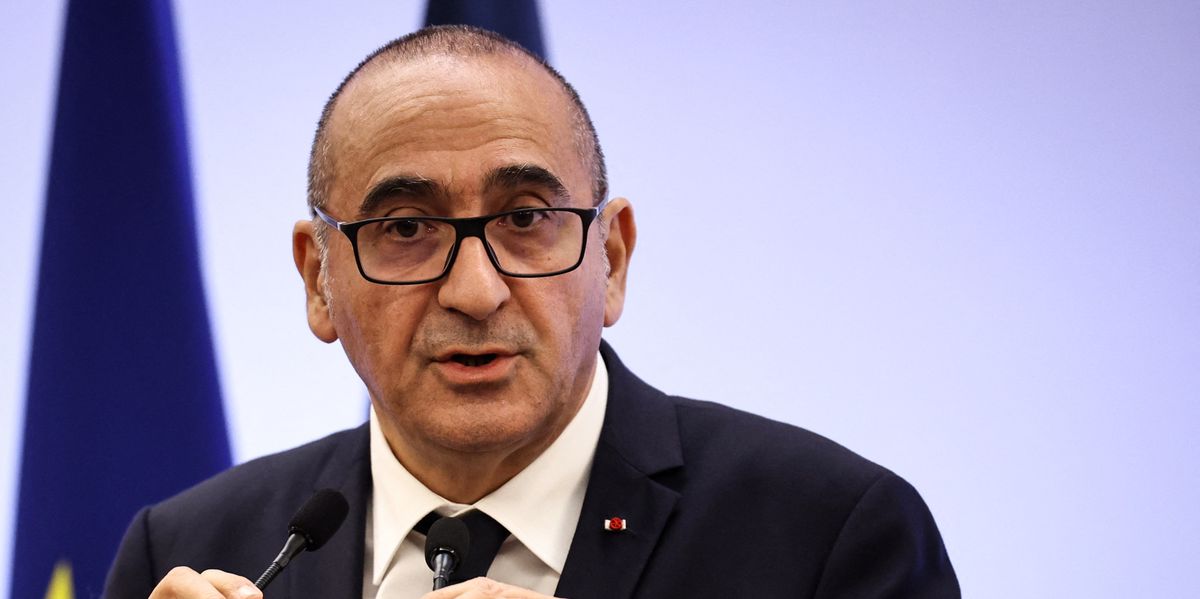
A day later, on October 30, Interior Minister Laurent Nunez took to the podium to unveil the full scope of the operation. "The police deployment will cover the entire national territory with 70,000 agents," he said, noting that the figure matched the force that had been mobilized on October 24 for a separate event in Orléans. The repetition of the number underscored the extraordinary nature of the response: a nationwide mobilization that dwarfs the usual police presence in French cities.
Nunez’s briefing went beyond headcount. He explained that every local force had been called back from leave, with days off suspended to ensure the maximum number of officers were on the ground. "All mobile forces are mobilized, as well as every specialized service that will obviously be employed," he declared. The inventory of assets read like a modern army: drones hovering over crowds, helicopters circling the skyline, mounted cavalry units, canine brigades, and a fleet of 26 Centaure armored vehicles—some of which would be stationed in Paris itself. This layered approach, he emphasized, was designed to deter any escalation before it could take root.
While the state prepared its defensive posture, the motivations behind the expected protests were already surfacing.
The interior ministry’s warning was unequivocal. "We will tolerate no excesses," the minister proclaimed, framing the upcoming demonstrations as a high‑risk scenario for urban violence. Social media posts had already begun to call for unrest, and the government responded by banning gatherings in sensitive city centers. The ban applied to any assembly that could threaten public order, a measure that mirrored the strict conditions announced for the October 31 protests: no tolerance for violence or property damage.
While the state prepared its defensive posture, the motivations behind the expected protests were already surfacing. Across the country, citizens voiced grievances over soaring living costs and a wave of student demands. University students and high‑school pupils, as well as the iconic "gilet jaunes" movement, were mentioned in the discourse, though their stances were reported as neutral. The convergence of economic frustration and youthful activism suggested that the October 31 demonstrations could be as much about everyday hardship as about any single political issue.
Beyond the headline‑grabbing numbers, the plan included concrete tactics. Elite units were slated to patrol the most vulnerable neighborhoods, while heightened surveillance would monitor potential flashpoints. The ban on gatherings in city centers meant that any spontaneous congregation could be swiftly dispersed by the massive police presence. The deployment of specialized equipment—drones for aerial reconnaissance, helicopters for rapid response, cavalry for mobility in narrow streets, and canine units for crowd control—illustrated a multi‑layered strategy aimed at both deterrence and rapid intervention.
As October 31 approaches, France stands at a crossroads. The sheer magnitude of the security operation—70,000 police and gendarmes, a full complement of aerial and ground assets, and a legal framework that restricts public assembly—reflects the government’s assessment of a volatile moment. Whether the measures will quell potential unrest or simply amplify the sense of an ever‑present security state remains to be seen. For now, the nation watches, aware that the streets of Paris and beyond may soon become the stage for a confrontation that pits a massive police apparatus against a populace eager to make its grievances heard.