
For the residents of Alberta, the question of their place within the Canadian federation reached a critical juncture on October 19, 2026. After months of intense political discourse, the province held a referendum that forced a fundamental choice: continue as a cornerstone of the Canadian nation or pursue the uncertain path toward independence. The result was clear and emphatic. By October 20, 2026, the data confirmed that more than 76% of voters had cast their ballots in favor of remaining part of Canada. This overwhelming margin of support for national unity effectively silenced the immediate push for separation, signaling a collective preference for the stability of the existing union over the risks of fragmentation.
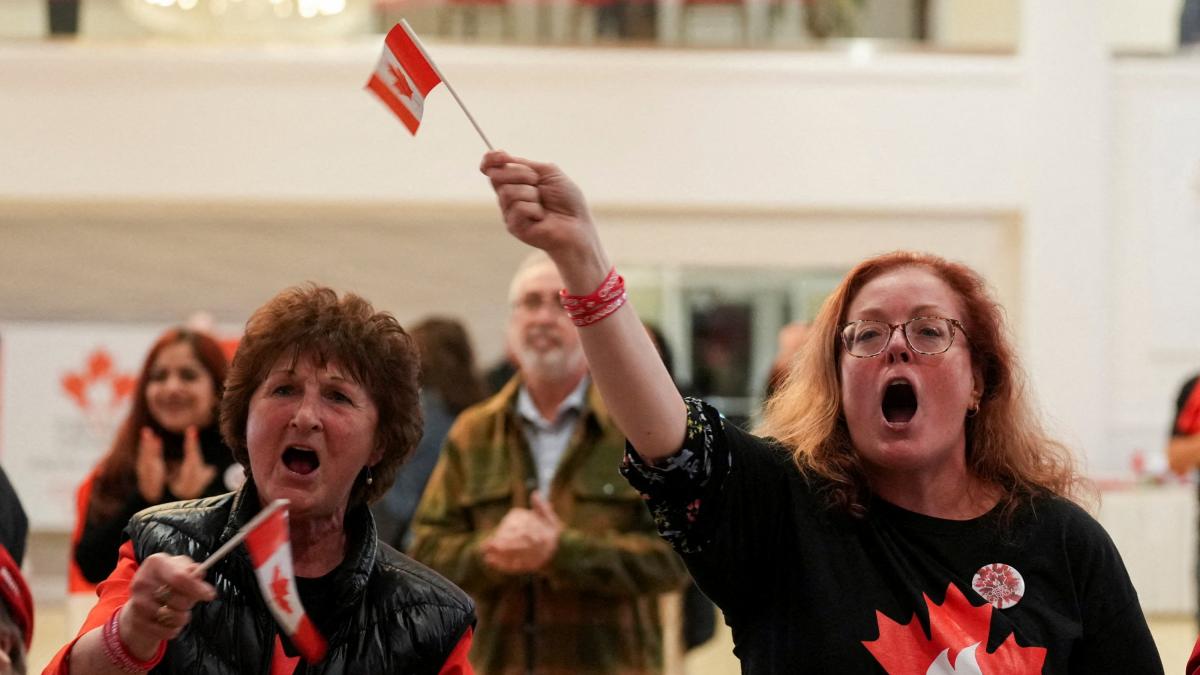
This vote did not occur in a vacuum. It arrived with the heavy shadow of historical precedent, specifically the 1995 referendum in Quebec, which had brought the country to the brink of dissolution. For many observers, the Alberta referendum served as a reminder of the deep-seated regional tensions that occasionally test the limits of Canadian federalism. Leaders across the country had warned that such a process carried the risk of long-term consequences, including the potential for deep social divisions and the exposure of the nation to external threats. The decision to move forward with the vote was, in itself, a reflection of a province grappling with its identity and its economic future.
Prime Minister Mark Carney, who had closely monitored the situation, welcomed the outcome with a sense of relief and purpose. In his assessment, the vote was a testament to the enduring strength of the Canadian project. "They chose unity, to build together, and to take care of each other," Carney remarked, emphasizing that the province’s decision was a victory for the collective well-being of the nation. His sentiment was echoed by Alberta’s Premier, Danielle Smith, who had previously navigated the complex political landscape leading up to the vote. "Die Einwohner Albertas haben für ein stärkeres Alberta in einem vereinten Kanada gestimmt," Smith noted, framing the result as a mandate to strengthen the province’s influence from within the federation rather than from outside it.
Prime Minister Justin Trudeau had been particularly vocal about the dangers of holding such a vote during a period of global volatility.
The timing of the referendum was a subject of significant concern for federal leadership. Prime Minister Justin Trudeau had been particularly vocal about the dangers of holding such a vote during a period of global volatility. "This referendum comes at the worst possible time; the world is more dangerous and divided, and some outside our borders are trying to divide us and take us over," Trudeau warned. His comments pointed to the broader geopolitical climate, specifically the ongoing trade tensions with the United States under President Donald J. Trump. The federal government had consistently argued that national stability was paramount, especially when facing external economic and political pressures that could exploit internal fractures.
Despite the decisive nature of the vote, the road to this moment was paved with a variety of perspectives. Before the final ballots were cast, Premier Danielle Smith had outlined the stakes, stating, "This province will hold a consultative referendum on staying in Canada or holding a binding referendum in the future." This approach was intended to gauge the public mood, though it created a period of significant uncertainty. While 76% of the population ultimately backed the status quo, one-fourth of the electorate had expressed support for the independence movement. For these individuals, the desire for autonomy remains a potent political force, even if it failed to secure a majority in this instance.
Even as the dust settles on the referendum, the conversation about Alberta’s role in Canada is far from over. Independence advocates, such as Mitch Silvestre, have signaled that they remain optimistic about their long-term goals, viewing the result not as a final defeat but as a chapter in an ongoing debate. The province now faces the challenge of reconciling the views of the minority who sought separation with the overwhelming majority who opted for unity. As Canada moves forward, the focus will likely shift toward addressing the regional grievances that fueled the independence movement in the first place, ensuring that the unity reaffirmed by the voters is supported by a functional and responsive federal relationship.