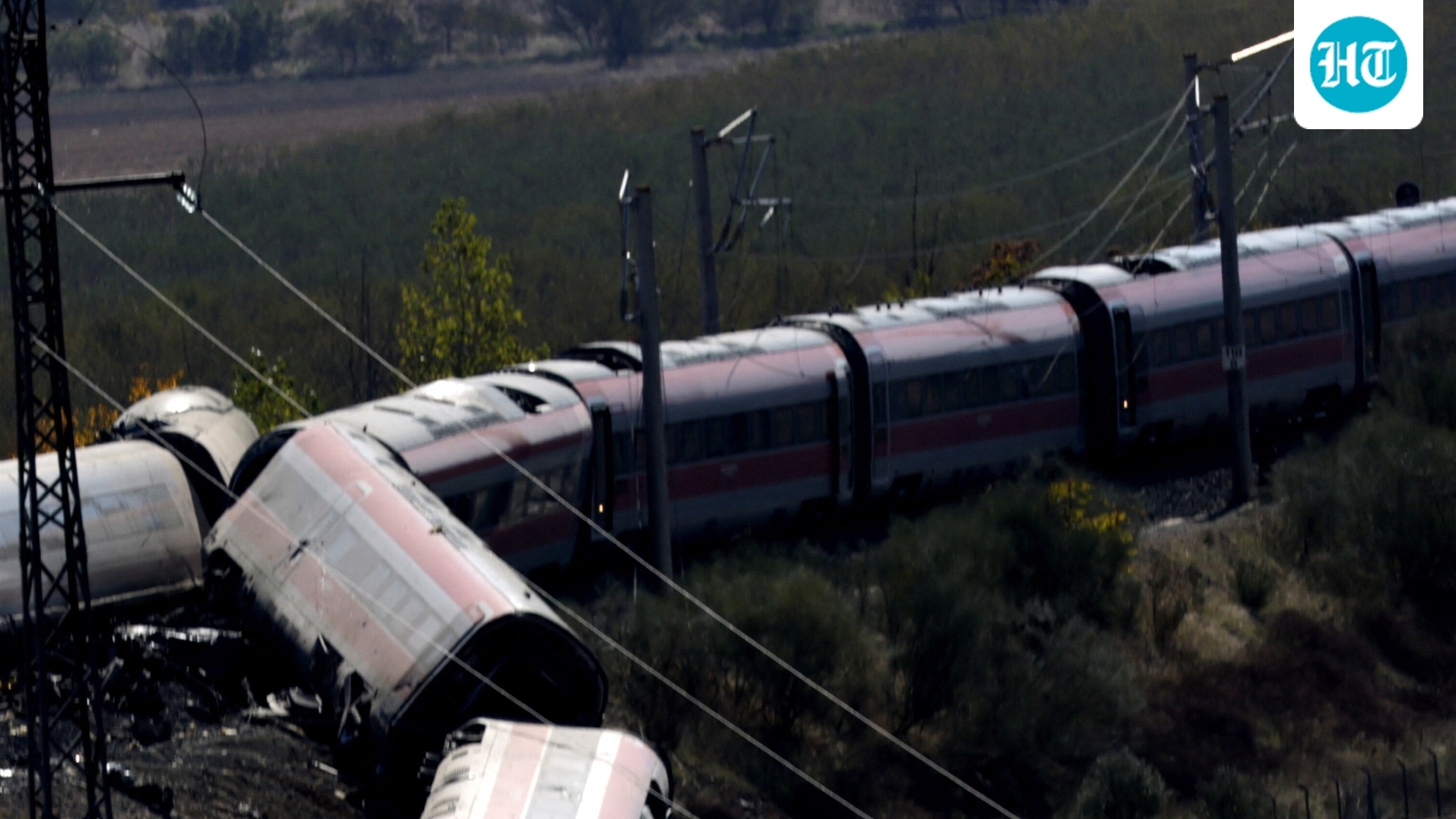
At roughly 8:30 a.m. local time, an IT failure crippled a 60-kilometre stretch of track, disabling the automatic safety system that normally governs train spacing. Six trains were forced to halt in the affected corridor, setting the stage for a disaster that would soon eclipse any recent memory of rail mishaps in the country.
Within minutes, a second high-speed train, still traveling at full speed, ran into the tail of a stationary train that had been stopped by the system outage. The impact, described by officials as a “high-speed train collision,” occurred in the province of Toledo, a region more known for its historic cathedrals than for rail catastrophes. The collision between the two high-speed trains resulted in a catastrophic event in central Spain.
Initial reports listed 64 fatalities, but as rescue crews worked through the wreckage, the death count climbed. Regional President Emiliano García-Page announced, “The number of dead has risen to 68.” In addition to the dead, 80 people sustained injuries, overwhelming local hospitals. The sheer scale of loss—68 lives in a single rail incident—marked a pivotal moment of tragedy for the Spanish railway system.
” He added, “A country like Spain cannot accept two high-speed train accidents in the same year.
Prime Minister Pedro Sánchez responded swiftly, declaring a three-day period of national mourning. “Today Spain is in mourning. All of Spain is in mourning,” he said, his voice echoing across a country that had, until that day, prided itself on a spotless rail safety record. Sánchez pledged relentless oversight: “We will follow this issue to the end. If there is any negligence, we will uncover it. If there are flaws in the safety and security system, those responsible will be held accountable.” He added, “A country like Spain cannot accept two high-speed train accidents in the same year. Therefore, we will take all appropriate measures.” The declaration underscored the state’s commitment to the grieving public.
The tragedy resonated beyond Spain’s borders. Turkish President Recep Tayyip Erdogan issued a heartfelt statement: “I wholeheartedly share, on behalf of my country and nation, the grief of those who lost their loved ones, and I send Türkiye’s messages of unity and solidarity to the people and government of Spain.” The Turkish Embassy in Madrid confirmed that no Turkish citizens were among the victims but pledged to monitor the situation closely. The Turkish Foreign Ministry’s neutral stance underscored a diplomatic tradition of offering sympathy without political entanglement.
Authorities noted the root cause of the collision: an information-technology malfunction that disabled the automatic safety system for a 60-kilometre segment of track. The outage, occurring at the critical 8:30 a.m. window, left the system unable to enforce safe distances between trains, a safeguard that had previously prevented such accidents. Six trains were stranded in the affected zone, highlighting how a single technical glitch can cascade into catastrophic outcomes when high-speed rail is involved.
In the wake of the disaster, Sánchez’s promise to pursue accountability set a tone of rigorous scrutiny. The government’s commitment to uncover any negligence signaled a focused effort to identify those responsible for the accident. The emphasis on “flaws in the safety and security system” aligns with the Prime Minister’s vow to hold parties accountable for any oversight. The 68 victims’ families await the outcomes of these efforts.
As Spain observes three days of mourning, the nation also confronts a pivotal moment for its rail infrastructure. The tragedy reinforces the need for robust safety measures, as highlighted by Sánchez’s statement that Spain cannot accept another high-speed train accident in the same year. With the death toll now fixed at 68 and 80 injured, the collective grief is matched by a resolve to ensure that the tracks that once symbolized progress will not become conduits for further sorrow.