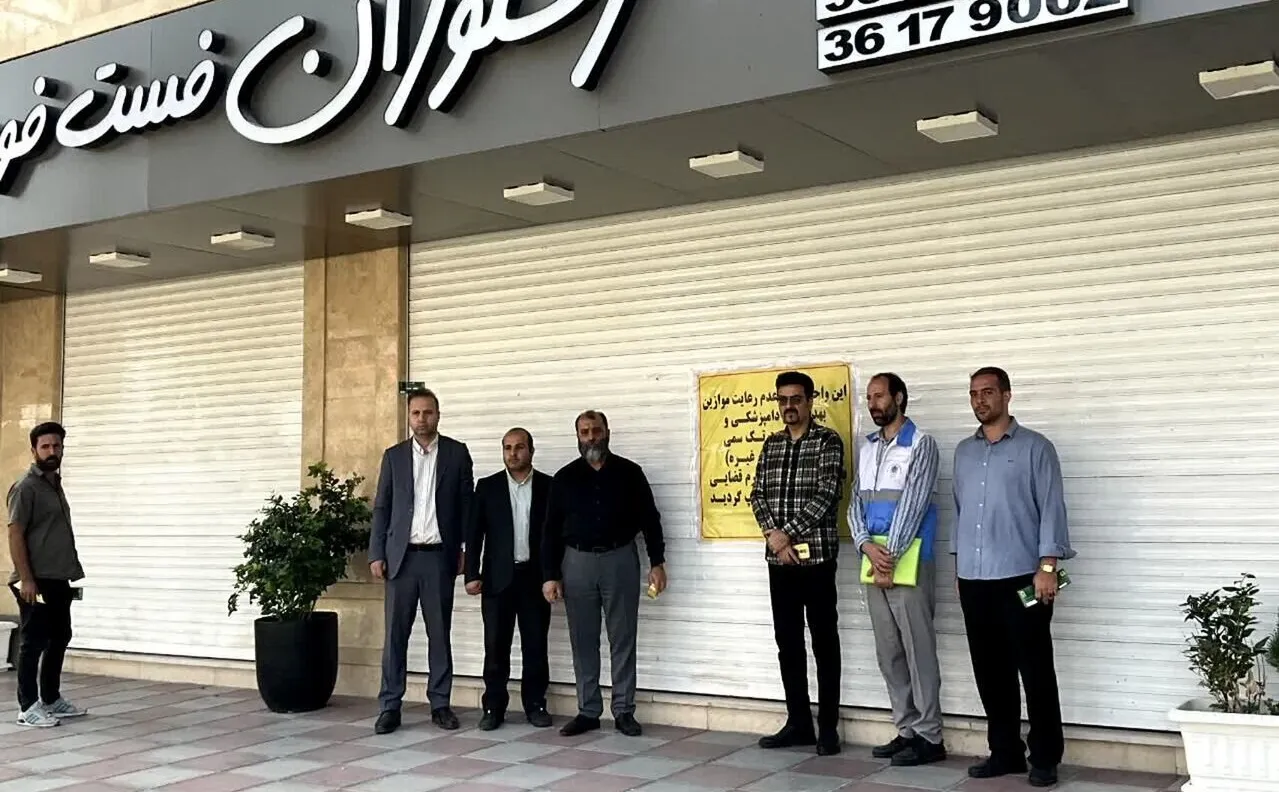
In the quiet municipality of Qarchak, near Varamin, the standard rhythm of commerce was abruptly shattered on November 5, 2026. What began as a routine regulatory sweep by local health authorities quickly spiraled into a significant public health intervention. Inspectors, tasked with the oversight of food safety standards in the region, focused their attention on two specific establishments: a local restaurant and a butcher shop. These venues, which serve as essential nodes in the local food supply chain, were found to be operating in direct violation of basic health protocols.

As the investigation unfolded, the scale of the malpractice became clear. Authorities confiscated a total of 90 kilograms of meat that had been circulating within these businesses. The nature of this inventory was immediately flagged as suspicious, prompting a more rigorous analysis by the health department. The subsequent identification of the product was chilling: the meat was not only unidentified in its origin but was officially classified as toxic. This discovery transformed a standard health inspection into a criminal matter, as the presence of such substances poses an immediate and severe threat to the unsuspecting public who frequent these establishments.
Following the identification of the toxic materials, the response from the Qarchak health department was decisive. The owners of both the restaurant and the butcher shop were taken into custody. The arrest of the meat seller and the restaurant operators serves as a stark reminder of the legal consequences for those who prioritize illicit profit over the physical well-being of their community. By removing these individuals from the marketplace, officials acted to neutralize an immediate hazard, preventing the further distribution of the tainted supply.
By removing these individuals from the marketplace, officials acted to neutralize an immediate hazard, preventing the further distribution of the tainted supply.
Mehdi Boostani, representing the health authorities, underscored the gravity of the situation in the aftermath of the raid. His statement reflected a broader institutional resolve to maintain the integrity of the food supply. "We are committed to continuous health inspections and will take strict action against any illegal activities in this field," Boostani noted. This declaration highlights the ongoing tension between regulatory bodies and those who seek to circumvent safety standards for financial gain. The raid was not merely an isolated incident but part of a larger, persistent effort by the health department to enforce rigorous safety protocols across the region.
For the residents of Qarchak, the events of November 5 serve as a jarring reminder of the necessity of oversight. The food safety infrastructure is designed to act as a silent guardian, yet the existence of 90 kilograms of toxic meat suggests that the risks to public health are real and present. The commitment expressed by officials to maintain continuous inspections is a response to this ongoing vulnerability. As the legal proceedings against the arrested owners move forward, the focus remains on the broader goal of ensuring that the meat sold in local shops and served in local restaurants meets the necessary standards for human consumption. The incident has left the community to grapple with the reality that the safety of their meals depends entirely on the vigilance of those tasked with enforcing the law.