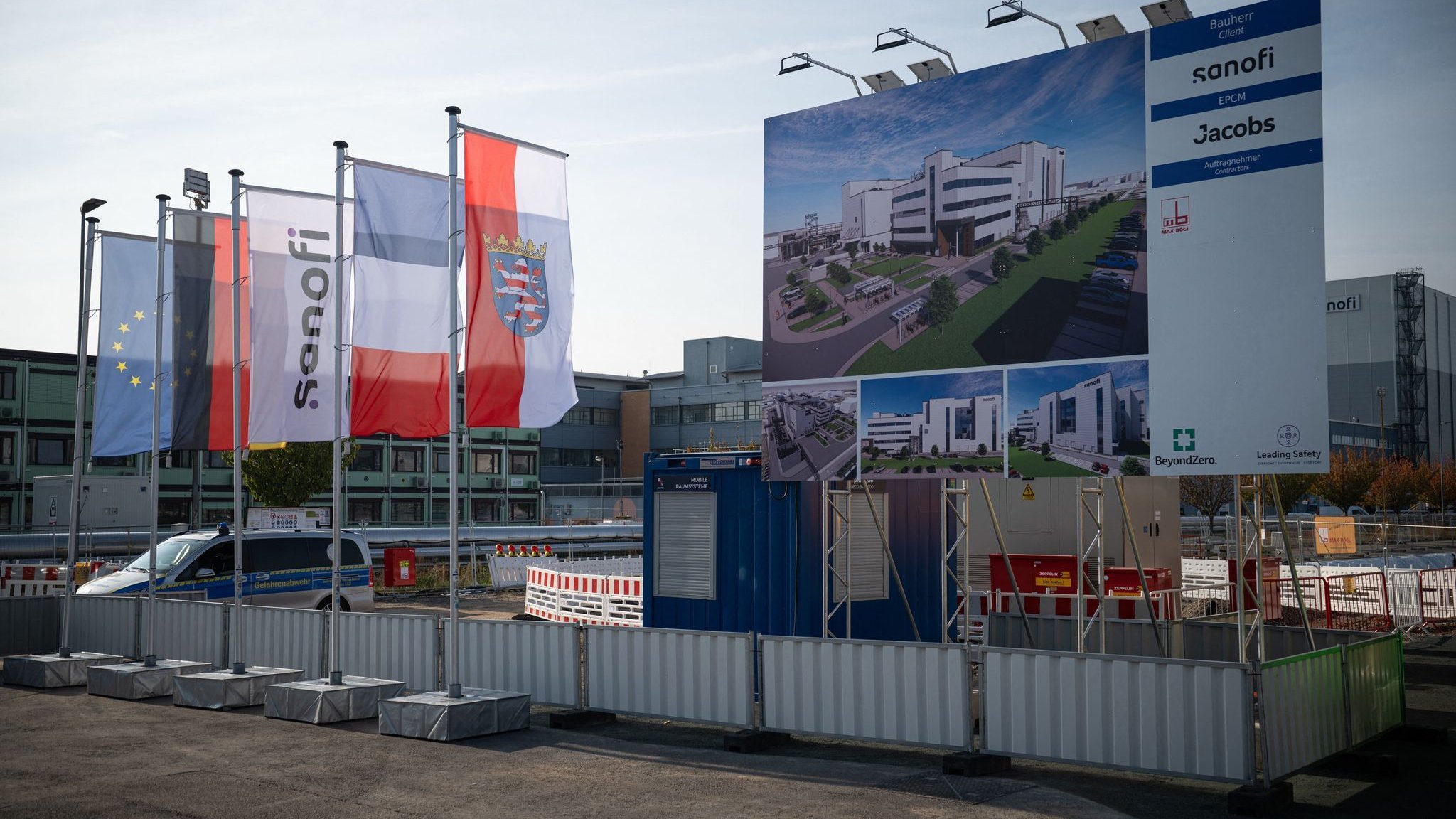
On October 19, 2026, Sanofi held a groundbreaking ceremony for its new insulin factory in Frankfurt, Germany. The same day the company announced plans to build the facility and the European Commission approved state aid for the project. This event marked the official start of construction on a site that will cover 36,000 square meters.

Sanofi is investing 2 billion euros in the new insulin factory. The project also receives 400 million euros in state subsidies from the German government, the state of Hesse, and the city of Frankfurt.
Once operational, the factory will produce at least 1.1 tons of insulin each year, which equals 1,100/kilograms. Sanofi says the site will be one of the largest insulin production locations in Europe. The company also states that the factory will support thousands of jobs, with estimates pointing to around 4,000 positions in the Frankfurt area.
Boris Rhein emphasized the project's importance for European sovereignty.
Officials have linked the factory to broader goals of securing medical supplies. Boris Rhein, the Hessian Ministerpräsident, said the project strengthens European sovereignty and reduces dependence on third countries. The plant is intended to contribute to a more secure insulin supply network for the continent.
Belen Garijo emphasized the global need for the medicine, noting that millions of people worldwide rely on insulin every day. She added that the new facility represents an investment in the next generation of insulin production in Europe. Boris Rhein emphasized the project's importance for European sovereignty.
Although the groundbreaking took place in 2026, Sanofi has stated that the factory is expected to be completed by 2032. Sanofi announced the construction of the insulin factory in 2026, coinciding with the groundbreaking ceremony. The timeline outlines a multi‑year build‑up before the site begins full operations.
The new plant will add to Sanofi’s global insulin supply network, helping to meet rising demand driven by the increasing prevalence of diabetes. By locating production in Europe, the company aims to lessen reliance on external sources and ensure a steady flow of the hormone to patients across the region.
As construction proceeds, the factory stands as a concrete example of how public‑private partnerships can shape critical health infrastructure. Its completion will mark a significant step in Europe’s effort to secure essential medicines while providing economic benefits to the Frankfurt region.