
The courtroom at Southwark Crown Court is a place of high stakes, where the weight of an accusation can shatter a career in an instant. For Russell Brand, 51, the man once known for his rapid-fire wit and provocative stand-up, the atmosphere was heavy with the specific gravity of the charges before him. He was there to answer to multiple rape charges, a legal battle that has captivated the public and tested the boundaries of consent in the modern era. The trial, which began on October 28, 2026, is not merely a legal proceeding; it is a public reckoning with the behavior of a man who built a persona on the very excesses he now stands accused of.
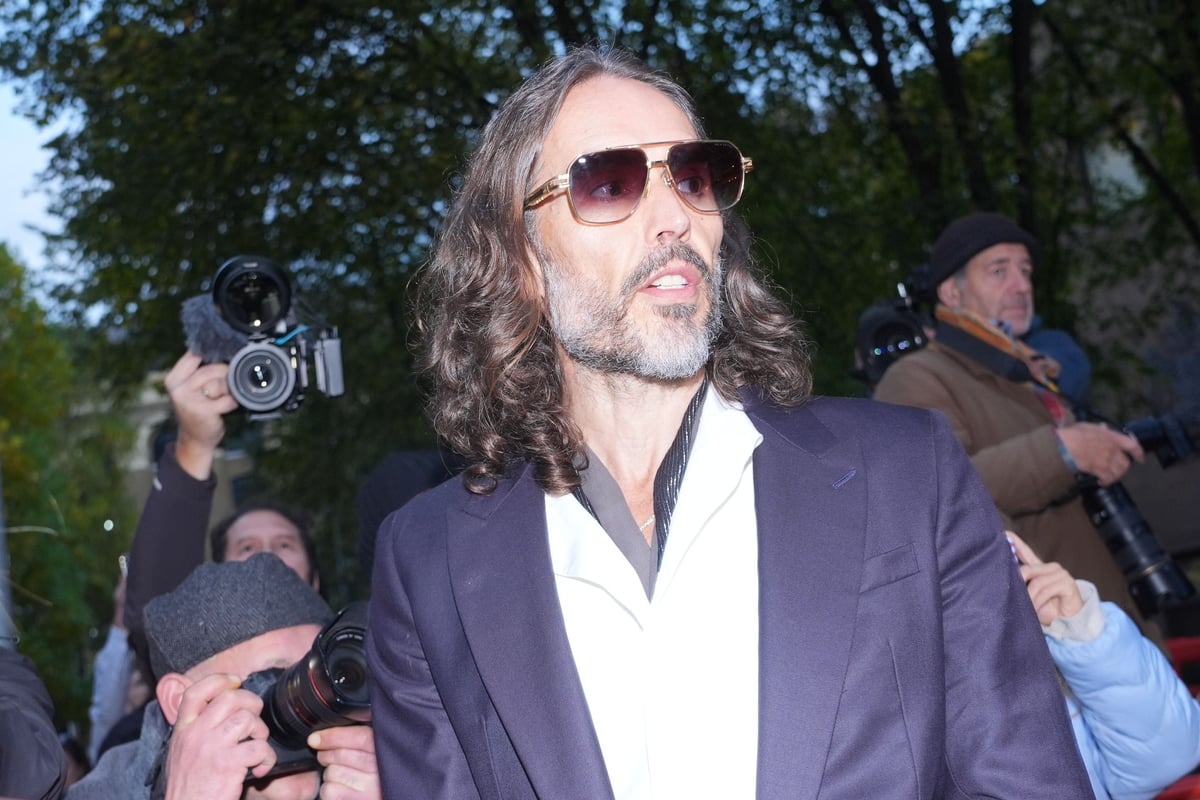
The proceedings took a significant turn when Brand took the stand. He admitted to past behavior that facilitated sexual access. In a moment of candor that surprised many observers, he acknowledged that as he became more successful and famous, he was 'very comfortable allowing that to facilitate sexual access.' He did not shy away from the reality of his actions, stating plainly, 'which I agree with you was wrong.' This admission was the first crack in the armor of a man who has often presented himself as a truth-teller, suggesting a recognition that his past actions crossed a line into misconduct.
One of the most persistent narratives surrounding Brand has been the idea of a calculated, almost predatory ambition. He was asked if he had ever set a goal to sleep with 5,000 women. He described himself not as a man with a spreadsheet of conquests, but as someone who was 'very determined and focused.' He admitted to being 'persuasive, seductive, begging and flirting,' and dedicated a significant portion of his life to what he now describes as 'reckless philandering, and idiocy.' This distinction is crucial; it separates a calculated predator from a man who was, in his own words, 'beyond reckless.'
This defense strategy attempts to frame his behavior not as a personal failing, but as a consequence of the environment he inhabited.
The core of the trial revolves around the concept of consent, a word that carries immense legal and moral weight. Brand was insistent on one point: he had never forced himself on a woman. He told the jurors that consent is 'non-negotiable' and that it is 'more important than sex itself.' This assertion is the cornerstone of his defense. The prosecutor, however, was not swayed by this distinction, continuing to press him on the specifics of the allegations, leaving the jury to decide if his version of events aligns with the evidence presented.
In a narrative that has become familiar to his followers, Brand shifted blame toward the media. This defense strategy attempts to frame his behavior not as a personal failing, but as a consequence of the environment he inhabited. It is a tactic that seeks to distance him from the specific actions he is accused of, suggesting that the pursuit of fame and the attention that came with it were the true drivers of his conduct.
The trial is a complex interplay of fact and perception. Brand’s testimony offers a glimpse into his own understanding of his past, a past that he now views with a clarity that was absent during the events in question. He admitted to having a sex obsession, a confession that strips away the layers of his public persona. The trial continues, with the jury tasked with determining if his version of events holds up against the allegations. It is a case that will likely have lasting implications for how society views the line between pursuit and predation, and the responsibility that comes with fame.