
On October 24, 2026, the city of Hebron in the occupied West Bank became the epicenter of a volatile military campaign. The atmosphere in the city, already strained by years of tension, shifted abruptly following a Palestinian attack that resulted in the deaths of two Israeli soldiers. In the immediate aftermath, the Israeli military launched a comprehensive operation that effectively placed the city and its surrounding areas under a total closure. For the residents of Hebron, the response was not merely a security measure; it was a life-altering event that fractured the community and forced 1,200 Palestinians from their homes.
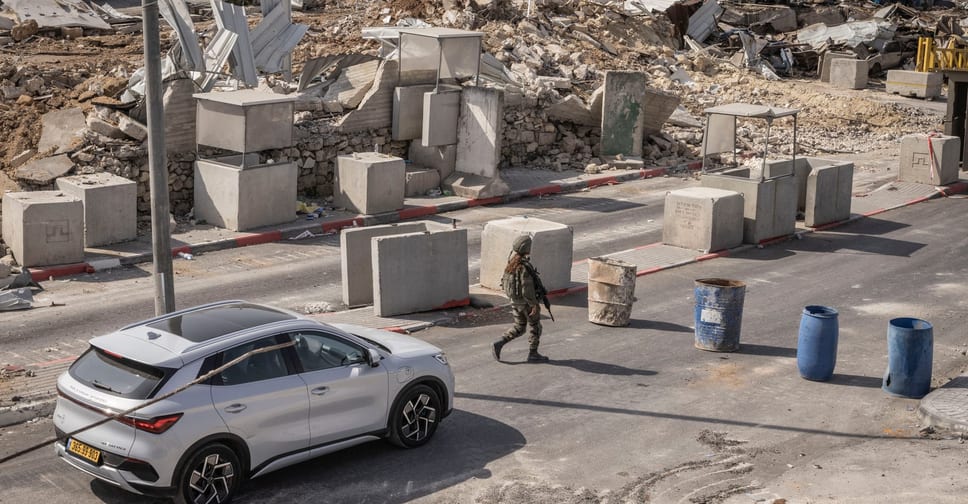
The scale of the displacement is profound. Approximately 1,200 Palestinians have been forced to leave their residences as the military operation unfolded. For those caught in the middle, the experience is one of profound isolation and fear. Majdi Nasser, a resident affected by the operation, expressed the desperation of the civilian population: "We are calling on officials to stand by us because we are not involved in any of this. There are children. We are isolated; we don't do anything. This is all arbitrary."
Beyond the displacement of residents, the military has moved to secure the area through mass arrests. In the hours following the initial attack, Israeli forces detained around 70 Palestinians, citing connections to the incident. These arrests, combined with the ongoing siege, represent a significant escalation in the military presence within the West Bank. This environment of heightened security and restricted movement has been a recurring theme since the onset of the war in Gaza in October 2023, but the current operation in Hebron marks a new level of intensity in the region's long-standing conflict.
These arrests, combined with the ongoing siege, represent a significant escalation in the military presence within the West Bank.
The timing of this military operation has drawn intense scrutiny from both local officials and political observers. With parliamentary elections on the horizon, many view the aggressive tactics employed by the government of Benjamin Netanyahu as a calculated effort to consolidate support among settler populations. Yousef Zouhair Al-Jabari, reflecting on the political motivations behind the crackdown, noted, "Netanyahu and the radical ministers in his government are trying to win as many votes as possible from the settlers."

The moment Israeli forces stormed Al-Ghad TV’s office during a raid on a building in Hebron today. https://t.co/jVU9lPh1sf
The Palestinian Authority has been quick to condemn the operation, characterizing the displacement of 1,200 people as a form of collective punishment. Central to their criticism is the charge that the operation is a disproportionate response to the actions of a few individuals. Under international law, the expansion of settlements in the occupied West Bank is considered illegal, and critics argue that the current military campaign serves to further entrench this expansion while punishing the Palestinian residents who live in the path of these policies.
As of October 24, 2026, the siege on Hebron continues, leaving the future of the displaced families uncertain. The intersection of military necessity, as defined by the Israeli government, and the humanitarian crisis described by local residents remains the defining tension of the current situation. As the political landscape shifts toward upcoming elections, the residents of Hebron find themselves in a precarious position, caught between the strategic goals of the state and the struggle for their own survival in a city that has been effectively dismantled.

This is not Gaza. This is Hebron today. The Israeli occupation has begun destroying Palestine’s economic capital, a city that accounts for 75% of the country’s production in the stone and marble, leather and footwear, plastics, glass, oils, dairy, and gold industries. Ethnic cleansing is being inflicted on the Palestinian people everywhere across the land of Palestine.