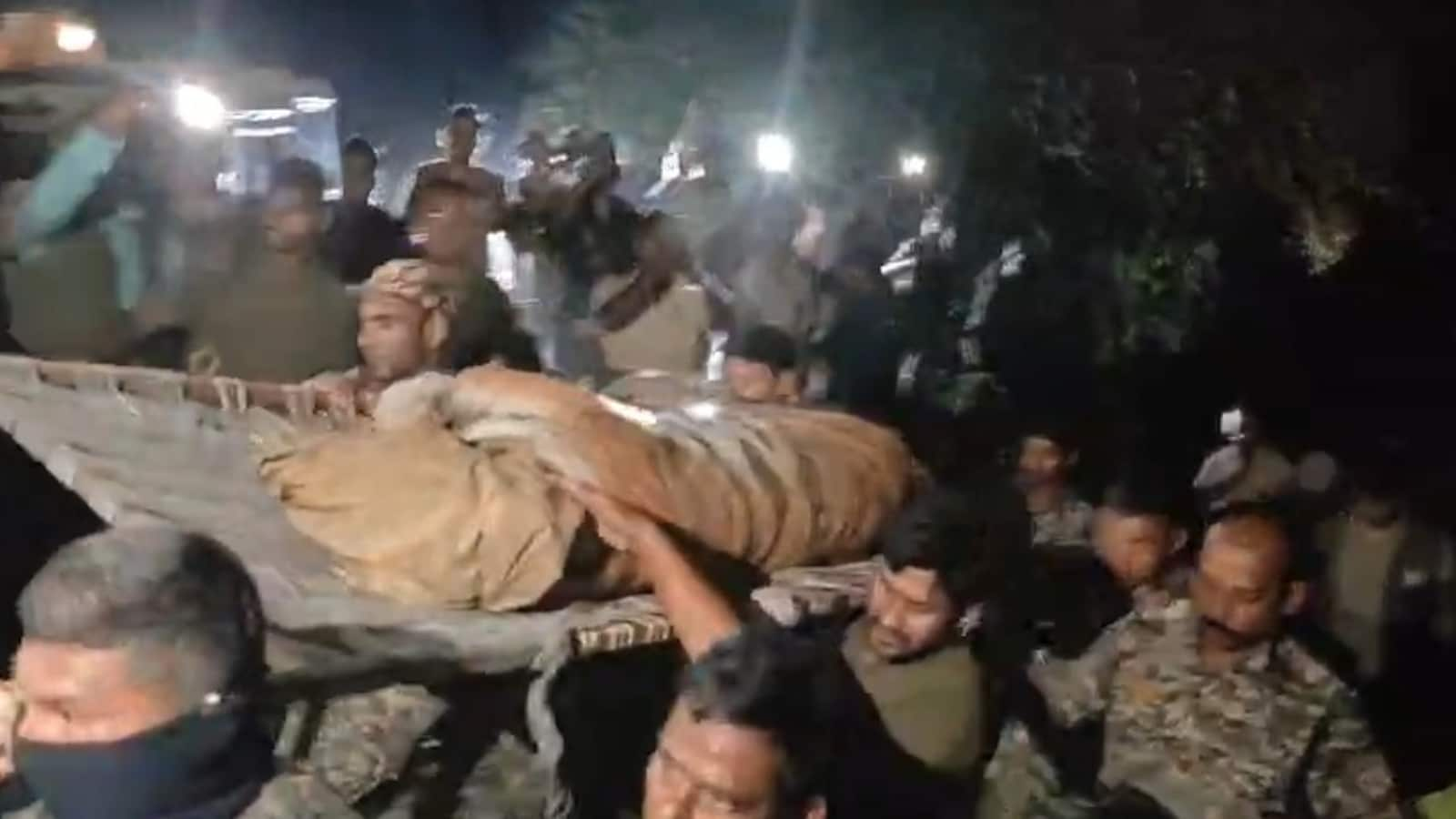
In the complex, shifting geography of India's tiger corridors, movement is often a sign of survival, but sometimes, it is a sign of a journey gone off course. A tigress, once a resident of the Valmiki Tiger Reserve in Bihar, found herself part of a larger conservation strategy when she was relocated to the Buxa Tiger Reserve in the Bodoland Territorial Region (BTR) of West Bengal. The goal of such relocations is typically to bolster populations and manage territories, ensuring that these apex predators have the space and resources they need to thrive.

However, the boundaries of a tiger's world are rarely as fixed as the lines on a map. The tigress, instead of settling into the familiar rhythms of the Buxa Tiger Reserve, began a trek that would test the coordination of multiple state agencies.
By the time the scale of her journey became clear, the tigress had traveled over 100 kilometers. She had moved beyond the borders of West Bengal and pushed deep into the territory of Assam. This was no mere stroll; a hundred-kilometer trek through dense terrain represents a significant displacement for a large carnivore, moving her far from the specific habitat for which she had been prepared.
The goal was not just to find the tigress, but to secure her safely without causing undue harm to the animal or the personnel involved.
Her path eventually led her into the heart of Raimona National Park in Assam. This movement placed her in a new landscape, one that required immediate attention from conservationists who were monitoring her progress. The distance she covered underscored the interconnectedness of these forest ecosystems and the challenges inherent in managing species that do not recognize political jurisdictions.
As the tigress moved further from her intended home, a sense of urgency took hold among the authorities. The situation demanded more than just local oversight; it required a synchronized effort across state lines. A joint operation was launched, bringing together forest officials from West Bengal and the Bodoland Territorial Region, alongside local authorities and community members in Assam.
This was not merely a search, but a delicate mission of wildlife management. The involvement of local communities was critical, as the presence of a large, displaced predator in a new area can create tension between human settlements and the natural world. The cooperation between the different regional bodies highlighted the necessity of inter-state synergy in modern conservation efforts.
In Raimona National Park, the operation reached its climax. The goal was not just to find the tigress, but to secure her safely without causing undue harm to the animal or the personnel involved. The complexity of capturing a powerful predator in the wild cannot be overstated, requiring precision, patience, and specialized expertise.

Through the combined efforts of the joint task force, the tigress was successfully captured. The operation served as a practical demonstration of how inter-state cooperation functions in real-time, proving that when wildlife moves across borders, the response must be equally fluid and unified.
Once the tigress was secured, the focus shifted from capture to repatriation. This was not a simple matter of driving her back across the border. The process required the expertise of forest department officials and the National Tiger Conservation Authority to ensure the animal's health and safety during the transition.
To facilitate the move, the tigress was tranquilized. This medical intervention allowed officials to manage her safely during the transit, minimizing the stress that such a significant relocation can cause a large animal. The technical precision of the tranquilization was essential to the success of the mission, ensuring that the tigress remained stable as she was moved from the wilds of Assam back toward her home in West Bengal.
With the tigress stabilized, the final leg of the journey began. She was transported back to the Buxa Tiger Reserve, the very place she had been moved to from Bihar. The mission was to return her to the territory where her presence was intended to support the local ecosystem and the broader goals of the BTR conservation efforts.
This return marks the conclusion of a high-stakes chapter in her life. While her hundred-kilometer excursion into Assam was an unexpected detour, the successful relocation back to Buxa ensures that she is once again within the managed parameters of her conservation plan.
As the tigress settles back into the Buxa Tiger Reserve, the event leaves behind a significant lesson for wildlife managers. The journey from Valmiki to Buxa, and then unexpectedly into Assam, illustrates the dynamic and often unpredictable nature of animal movement. It serves as a reminder that conservation is not just about managing specific plots of land, but about managing the corridors and connections between them.
The successful return of the tigress stands as a testament to the efficacy of joint monitoring and the importance of having a rapid, multi-agency response ready when nature decides to wander.