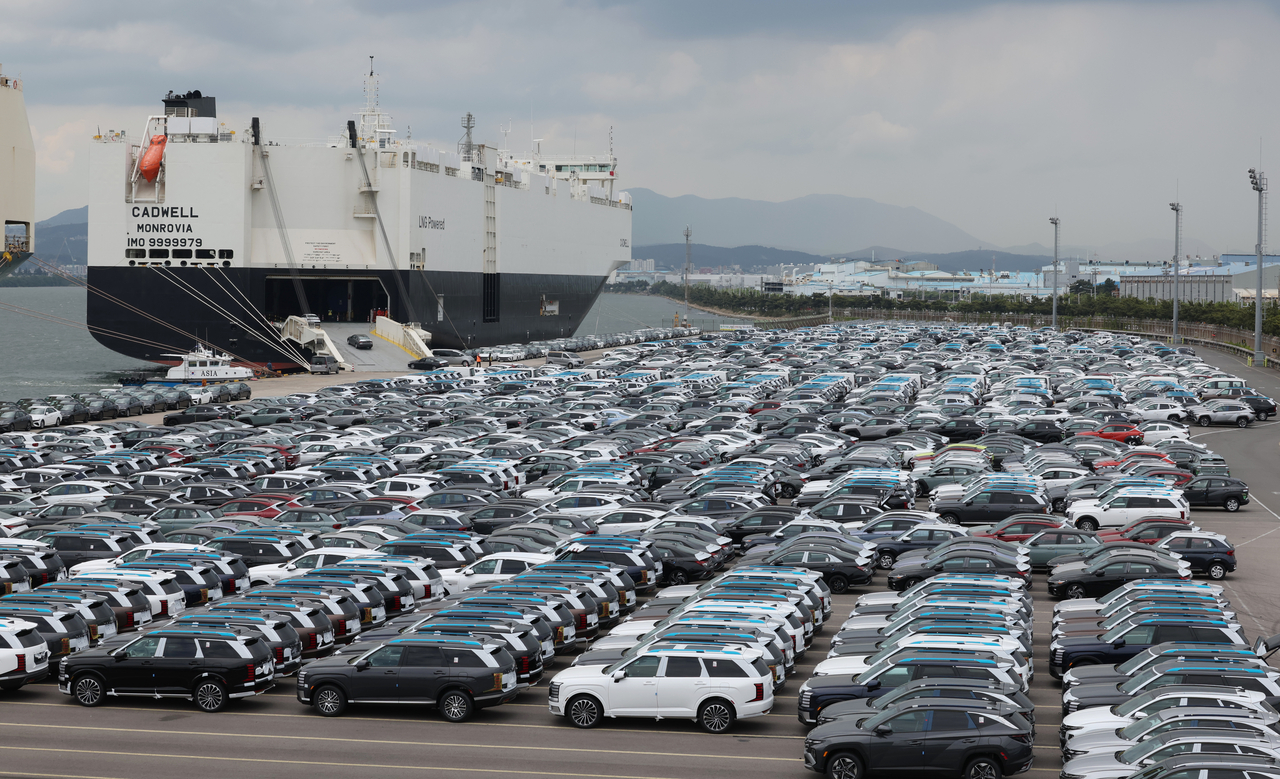
On October 27, 2026, the Bank of Korea (BOK) announced that South Korea’s gross domestic product grew 1 percent in the July‑September period, a sharp rise from the 0.6 percent expansion seen in the second quarter. The figure also eclipsed the BOK’s August forecast of 0.3 percent, signaling a stronger than expected performance. In year‑on‑year terms, the economy expanded 3.4 percent, a solid rebound that lifted the annual growth rate to 3.6 percent.
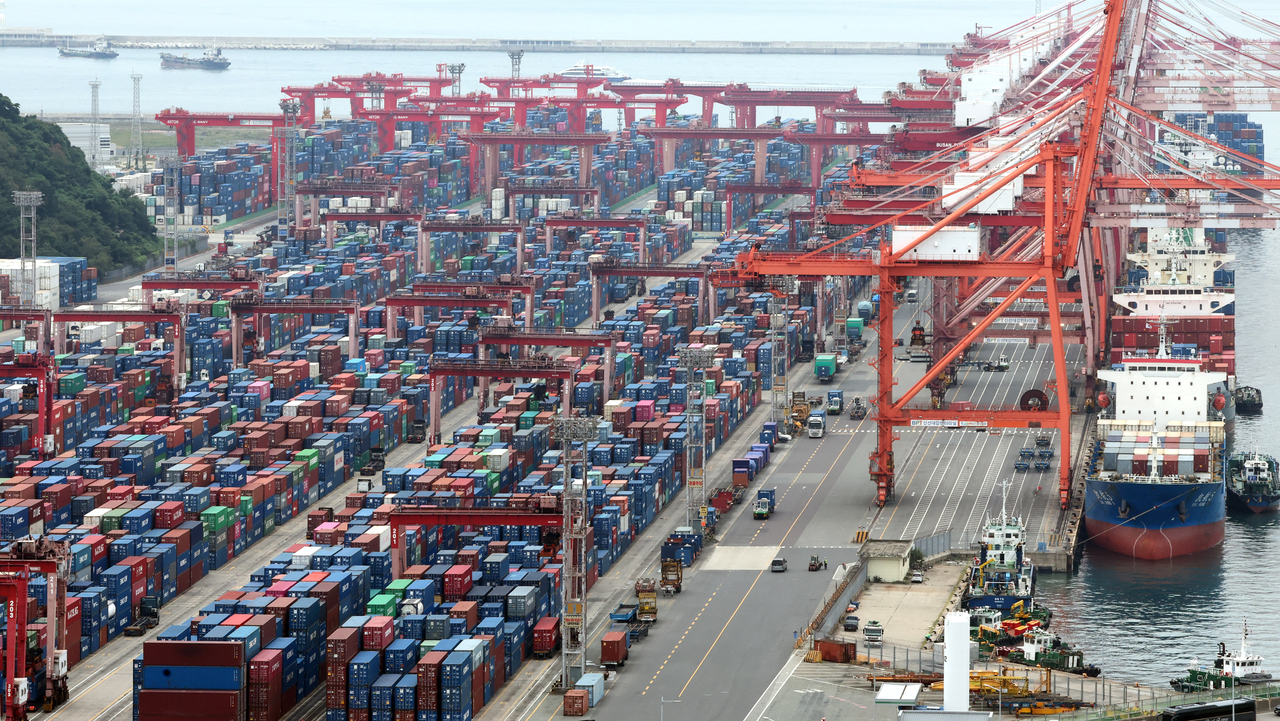
The heart of the surge lies in the semiconductor sector. In September, outbound shipments reached a record $120.9 billion, up 83.5 percent from a year earlier, and exports of semiconductors alone exceeded $60 billion. These figures underscore the global appetite for chips, a demand that has been amplified by the rise of artificial‑intelligence infrastructure worldwide. Investment in the industry has surged, and the export boom has translated into a 2.3 percent rise in exports for the quarter, while imports grew 2.4 percent.

Bank of Korea official: Q3 GDP lifts this year's economic growth forecast by 0.35 percentage points
South Korea’s trade dynamics in Q3 were a mix of strength and balance. Exports climbed 2.3 percent, imports followed closely at 2.4 percent, and government spending advanced 1.9 percent. The net effect was a robust trade surplus, bolstered by the semiconductor export wave. Yet the overall picture remains sensitive to global supply‑chain shifts and the cyclical nature of technology demand.
The underlying catalyst for the semiconductor boom is the AI infrastructure boom.
While exports and investment drove growth, private consumption slipped 0.2 percent, a reminder that domestic demand is not keeping pace with the export‑led momentum. Government spending, however, added a modest 1.9 percent, providing a stabilizing influence amid the broader economic picture. The contrast between rising public investment and falling private consumption highlights a potential policy tension that the BOK must navigate.

A Bank of Korea official said third-quarter GDP raises South Korea's economic growth forecast for this year by 0.35 percentage points.
The underlying catalyst for the semiconductor boom is the AI infrastructure boom. As companies worldwide invest in AI capabilities, the demand for high‑performance chips has surged. South Korea’s position as a leading chip manufacturer has placed it at the center of this global shift, turning the country into a critical node in the AI supply chain. The resulting export growth has not only lifted GDP but also reinforced the country’s strategic economic standing.
The BOK’s latest data feeds into its broader outlook. The central bank expects the economy to maintain its growth pace, with the possibility of reaching 4 percent if fourth‑quarter growth hits 1.4 percent. However, despite the fall in private consumption and inflationary pressures, the BOK is considering further interest‑rate hikes. The delicate balance between sustaining growth and curbing inflation will shape policy decisions in the coming months.
Looking ahead, South Korea faces a dual challenge: sustaining the export‑driven growth while reinvigorating domestic consumption. The BOK’s potential rate hikes could temper inflation but risk slowing investment. Meanwhile, the AI infrastructure boom continues to offer a bright horizon for the semiconductor industry. As the country navigates these dynamics, its economy remains poised for a resilient, if cautious, expansion.
