
The lights dimmed in the polling stations across Israel, and voters began to file out with the heavy, quiet energy of a nation that knows what it just did. It was October 28, 2026, and for many, the day marked the end of one chapter and the agonizing, uncertain start of another. The ballot boxes that would produce the 26th Knesset did not deliver the clear verdict many onlookers expected. Instead, they returned a mosaic of results so finely balanced that it immediately locked the country into a political riddle. As the first unofficial results began to filter in, one fact stood above all others: no single faction, no coalition, and no political figure had earned the 61 seats out of the parliament's 120 that are absolutely mandatory to form a government.
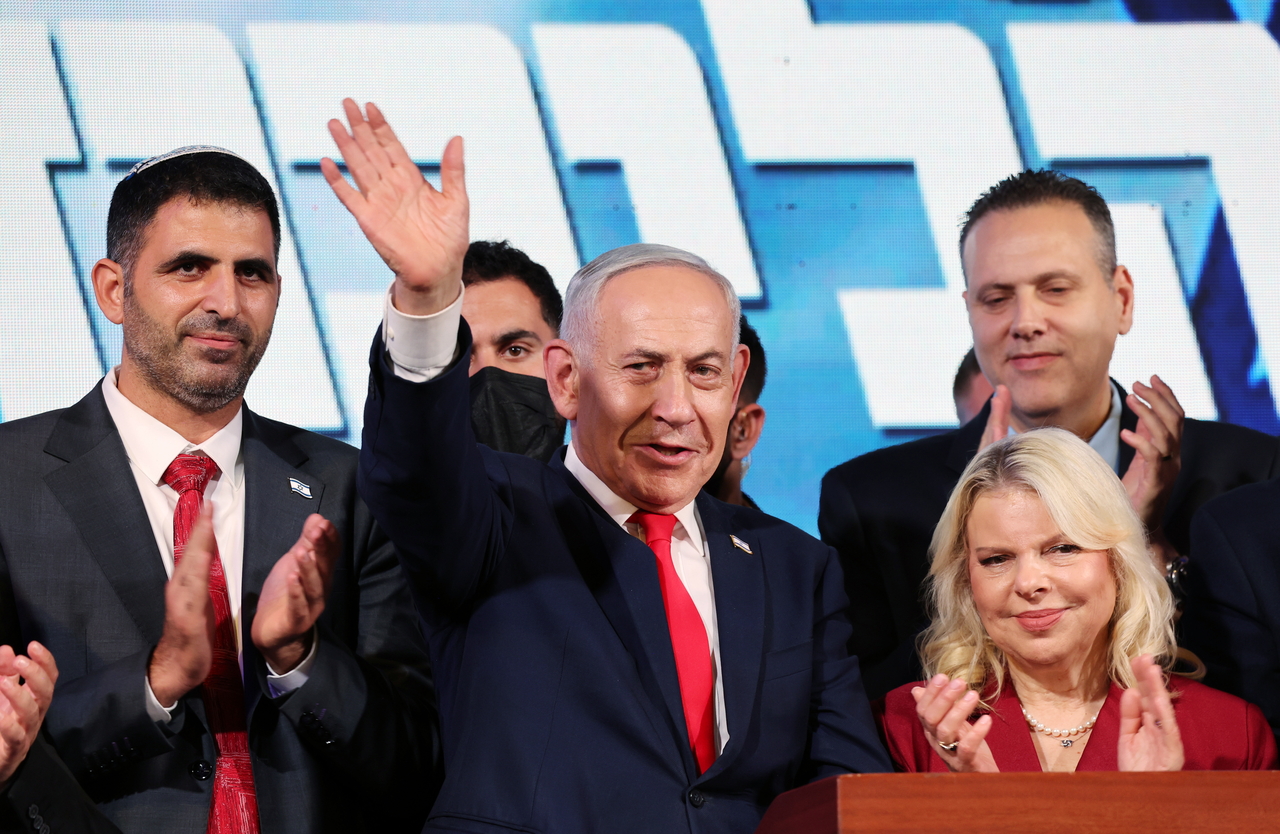
In the center of this labyrinth stood Prime Minister Benjamin Netanyahu, a political survivor who has held office for 19 years and whose record as a maneuverer in the Knesset is unmatched. On the evening of the election, he quickly issued a statement declaring that his camp had secured a clear and decisive majority among Jewish and Zionist voters, framing his position as the only viable path forward for the country. "Israel is stronger than ever," he told reporters, a message calculated to project confidence in the midst of what the data was already proving to be a stalemate. Yet his confident tone clashed sharply with the numbers rolling off the screen that night. Exit polls conducted by major Israeli channels, including broadcasts from networks 11, 12, and 13, showed a tight race where both of the main contenders were falling short of the parliamentary majority needed to govern.
The projections were startlingly close. Netanyahu’s Likud party was tracking to win the single largest share of seats, taking between 24 and 24 of the available spots in the Knesset. To form a right-wing bloc, he would rely on his far-right and religious allies, who had governed alongside him for years. In total, Netanyahu's broader coalition was projected to command around 50 seats. Across the aisle, the opposition bloc, anchored by former military commander Gadi Eisenkot, was projected to hold between 52 and 53 seats. Eisenkot’s own party was expected to win 21 to 23 seats. The math was a cold and hard wall: neither side had the 61 required to build a government on their own.
The opposition bloc could potentially secure enough seats to govern only if it could convince the Arab parties to join.
And that is where the political conversation became truly complicated. Because of the gap, the balance of power fell into the hands of the Arab parties. These parties, which consistently campaign against Netanyahu and represent a vital slice of the population, make up roughly 20 percent of Israel's citizens. In a fragmented parliament, their leverage is enormous. The opposition bloc could potentially secure enough seats to govern only if it could convince the Arab parties to join. But for Eisenkot, accepting that arrangement was a political risk he had publicly ruled out before the election even began.
As exit polls continued to suggest that the opposition had a slight, numerical edge over Netanyahu's camp, the pressure to resolve the deadlock intensified. The Arab parties, knowing their votes would be the deciding factor, held their power. But Eisenkot, despite the numbers, would not cross into that space. He did not wish to build a government dependent on Arab representatives.
It was against this backdrop that Netanyahu escalated his rhetoric. He opposed any political arrangement that would rely on what he consistently described as anti-Zionist Arab parties. "It is forbidden—simply forbidden—to endanger Israel and to establish a government that relies on anti-Zionist Arab parties," he stated forcefully. For him, the path forward was not to widen the coalition to include those parties, but to consolidate. "We must establish a strong national right-wing government," he insisted, framing the fight not as a race for seats, but as a fight for the soul of the state.
The political world, however, saw a far murkier picture. As the night wore on and the polls painted a picture of a divided country, commentators and political analysts pointed to a deeply frustrating reality for the voters. One prominent analyst, speaking to the public's intent, noted that the Israeli public had voted today by a significant majority against Benjamin Netanyahu remaining in office. It was a decisive rebuke to the government that had led Israel through three years of war and had operated under a far-right and religious alliance for four years, minus four days.
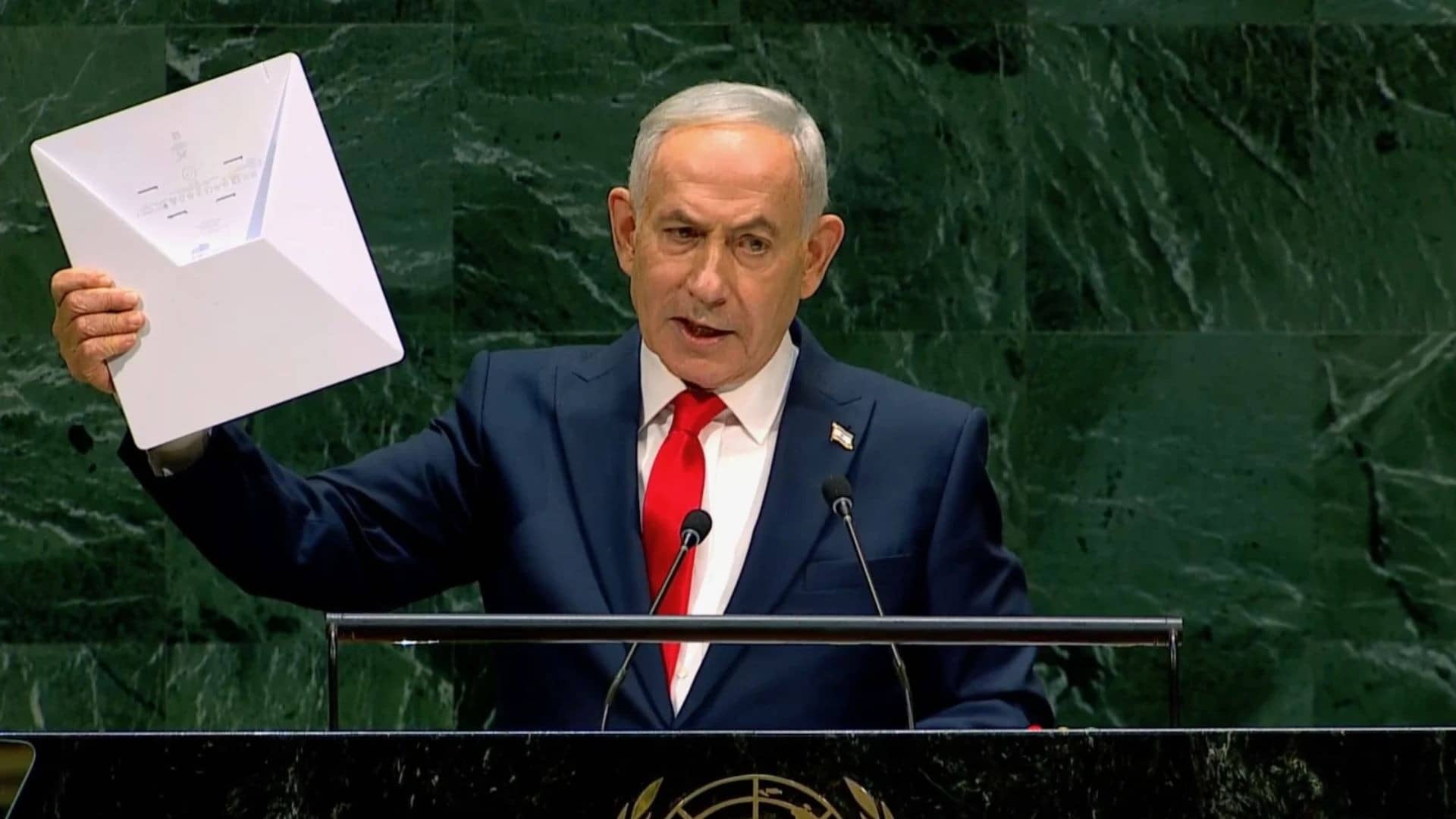
So who forms the next Knesset? The question of who holds the power in this 26th assembly remained unresolved long after the polls closed. The exit polls had delivered a solid majority to the opponents of the current government in terms of raw votes, but translating that majority into a functioning government required Eisenkot to make compromises he had already rejected, or it required a unity government that defied the campaign promises of nearly every major figure in the race. The big question hanging over the next weeks of political wrangling was whether the majority led by Eisenkot would form a minority government against his opponents, or whether some other, more unpredictable path would emerge.
For now, Israel is at a standstill. The ballots have been cast and counted with a high turnout of 77.7 percent, yet the country remains unable to name a prime minister. The final official results are expected to take days to be finalized, and the smaller parties that hold the balance of power will hold court for weeks. This is no longer just an election; it is a constitutional puzzle in a democracy that has been asked to move on, but is too broken to easily decide where to go next.