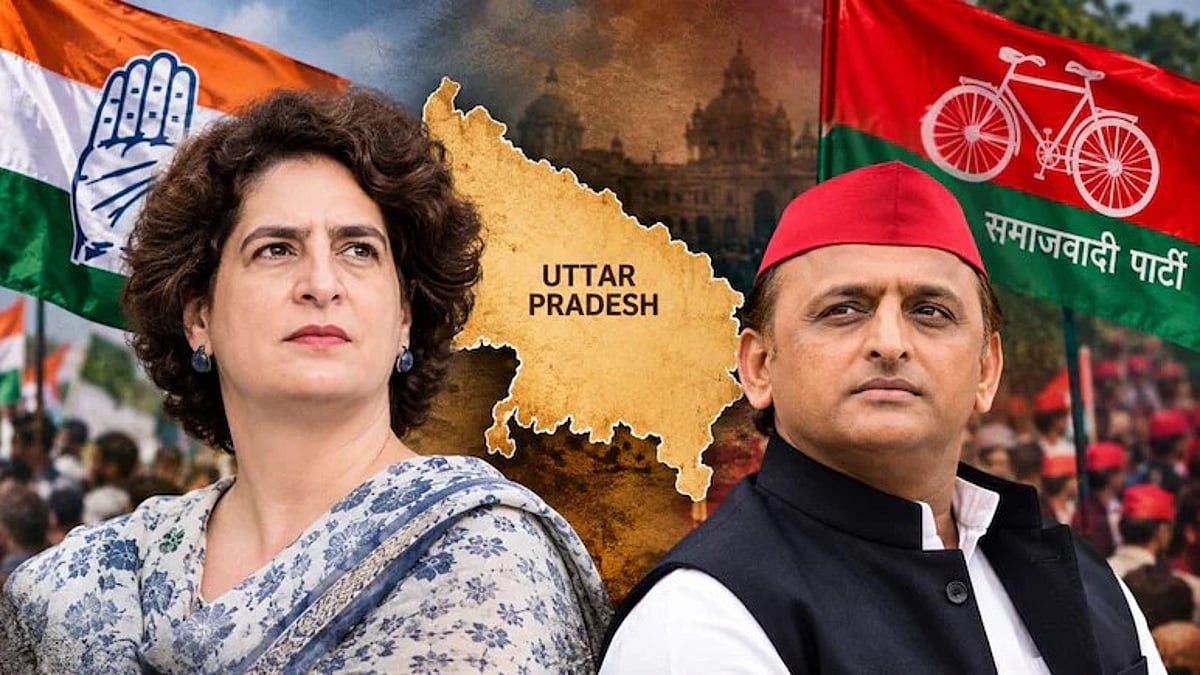
In the vast political theater of India, Uttar Pradesh stands as the grand stage where national ambitions are often forged. As the 2026 state elections loom on the horizon, the Congress party, under the dynamic leadership of Priyanka Gandhi, is setting its sights on a significant presence in the 9th assembly. The party is currently engaged in delicate alliance negotiations with the Samajwadi Party (SP), discussions that could determine the balance of power in India's most populous state.
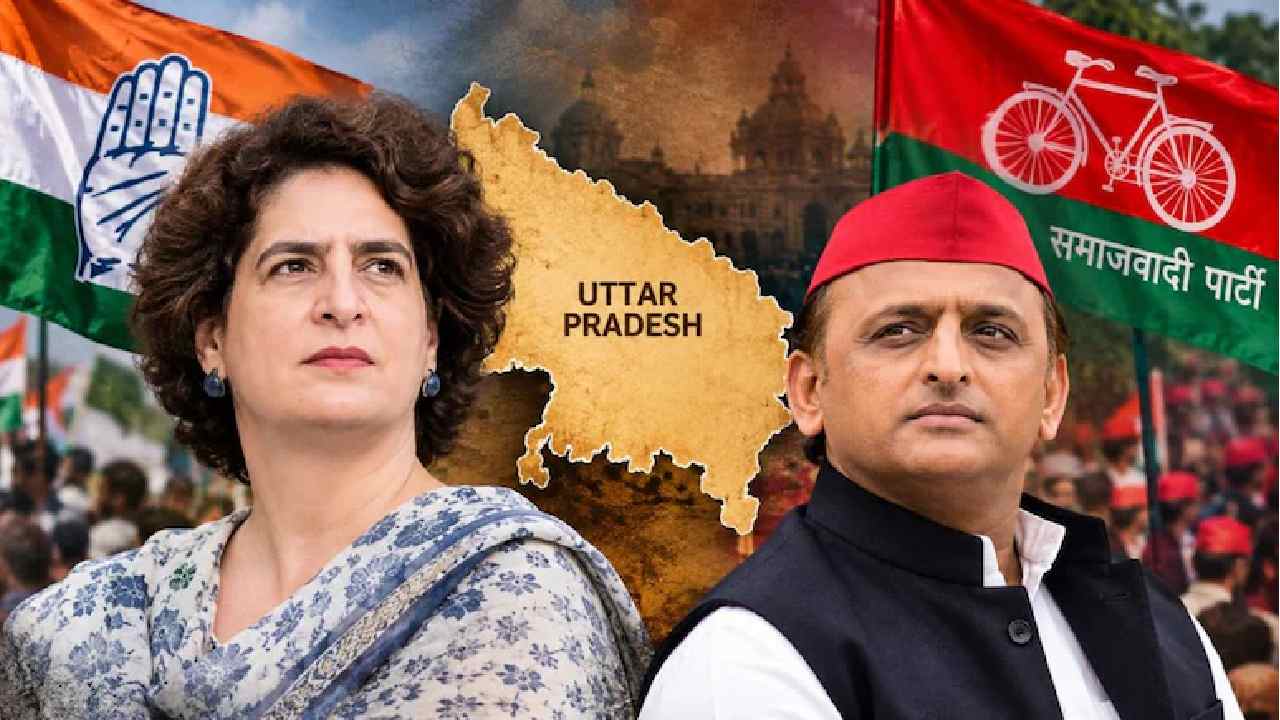
At the heart of these negotiations lies a critical point of contention: seat allocation. Congress is boldly demanding 150 seats in any potential alliance with SP. This number represents more than just a bargaining position—it reflects Congress's ambition to reclaim substantial ground in a state where it has struggled to maintain relevance in recent elections. The demand, however, has put the two parties at loggerheads, as SP has shown reluctance to concede such a large portion of the electoral pie to its potential ally.
Leading these crucial talks is Priyanka Gandhi, whose political acumen has breathed new life into Congress's UP campaign. Under her stewardship, the party appears more determined than ever to challenge the incumbent government. The alliance discussions represent a pragmatic acknowledgment that in UP's complex political ecosystem, coalition politics may be the most viable path to power. Priyanka's approach combines Congress's traditional support bases with strategic partnerships, hoping to create a formidable front against the ruling party.
The relationship between Congress and SP has historically been marked by both cooperation and competition.
The relationship between Congress and SP has historically been marked by both cooperation and competition. While both parties represent similar ideological ground on many issues, their leadership and support bases have often diverged. The current negotiations represent a delicate balancing act—Congress needs SP's organizational strength in UP, while SP benefits from Congress's national network and leadership pedigree. Sonia Gandhi, the party's longest-serving president, continues to play an influential role in these high-stakes discussions, though the day-to-day negotiations have fallen to Priyanka.
As the October 20, 2026, election approaches, both parties are weighing the risks and rewards of an alliance. For Congress, the 150-seat demand isn't merely about numbers—it's about establishing a credible claim to governance. The party understands that without a substantial presence in the assembly, its influence will remain limited. Meanwhile, SP must consider whether accommodating Congress's demands might dilute its own electoral prospects or alienate its core supporters. The All India Trinamool Congress, another significant player in national politics, is watching these developments closely, as the outcome could influence coalition strategies across India.
As of now, the negotiations remain fluid, with neither party having secured its preferred terms. The coming months will be critical as both Congress and SP navigate the complex terrain of alliance politics. What's clear is that Uttar Pradesh's political landscape is at a potential inflection point, with the possibility of a new configuration emerging that could redefine power equations in the state. For Priyanka Gandhi and Congress, these negotiations represent not just a path to electoral success but an opportunity to reestablish the party's relevance in the heartland of Indian politics.