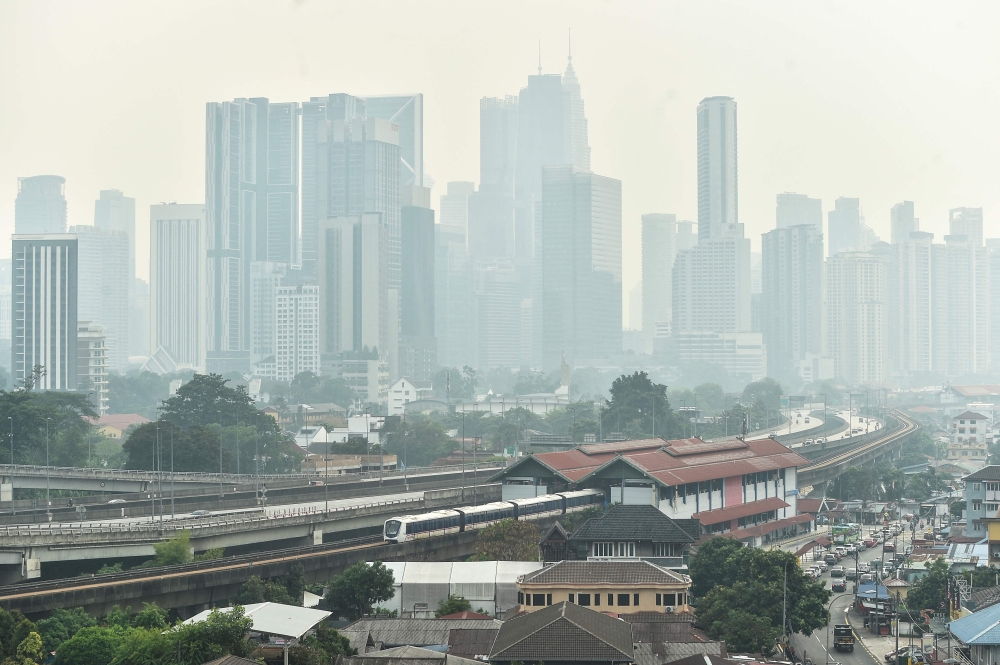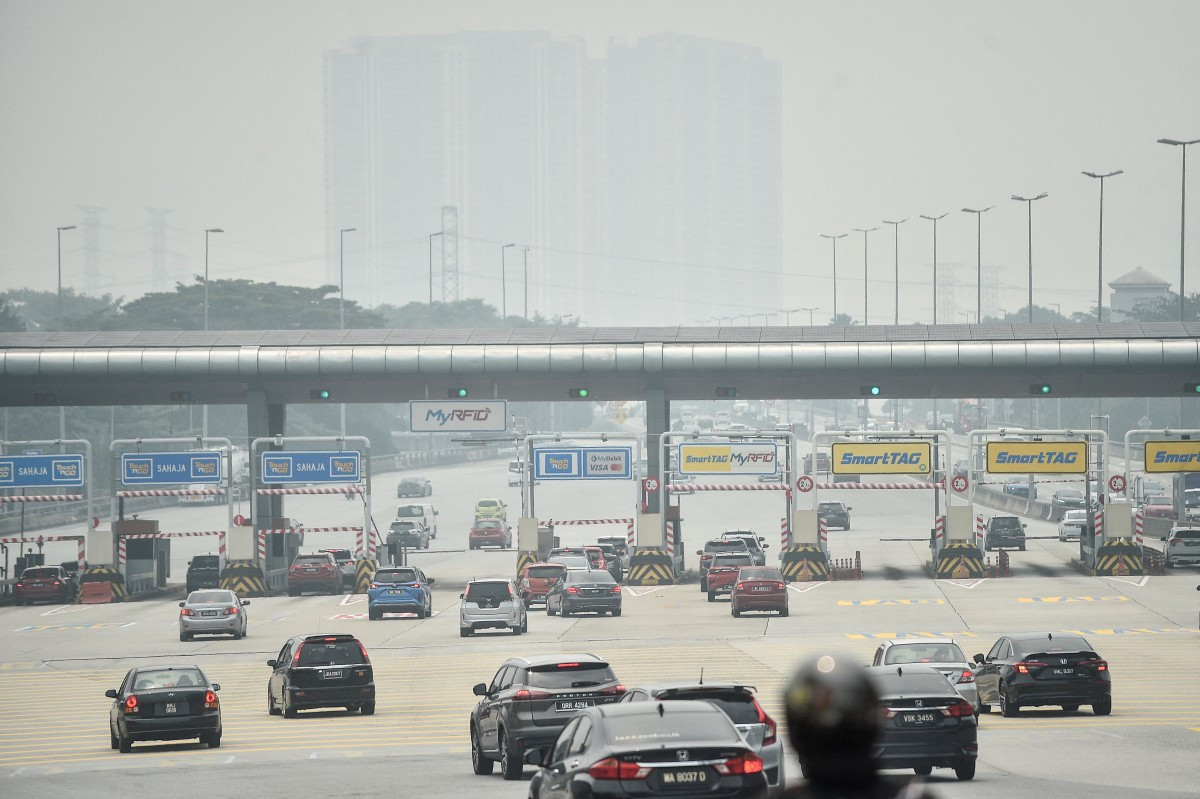
The morning light over Kuala Lumpur was obscured not by dawn, but by a thick layer of haze that had settled over the city's skyline. By Friday, October 9, 2026, this atmospheric condition had escalated into an immediate crisis for the nation's education system. The Ministry of Education issued orders to close schools in Kuala Lumpur and five other states, a decision driven by hazardous air quality levels originating from fires burning in neighboring Indonesia. This closure marked a significant pause in daily life as students and parents navigated the uncertainty of what lay ahead.
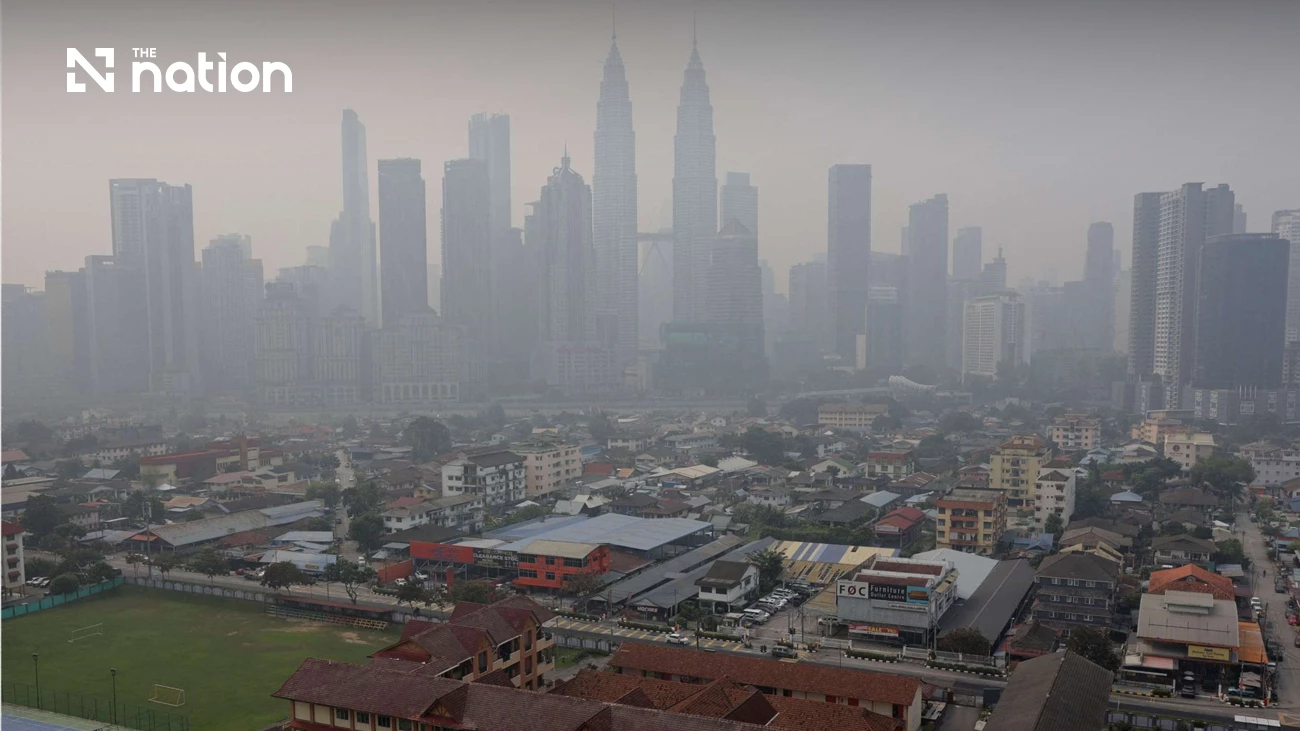
Education Minister Fadhlina Sidek emphasized the gravity of the situation, instructing all state education departments and district education offices to continue monitoring the haze situation. She noted that any decision to close schools would affect the daily affairs of parents, acknowledging the disruption inherent in such measures. However, the trigger for these closures was quantifiable. King Sultan Ibrahim had previously suggested that schools should close when the Air Pollutant Index (API) hits 150 or higher. On Friday, readings in the capital hovered around 170, surpassing the threshold recommended by the monarch.
This reading placed Kuala Lumpur among the most polluted cities globally, according to Swiss-based air monitor IQAir. According to IQAir, Kuala Lumpur was among the most polluted cities globally. To understand the severity, one must look at the hierarchy of air quality risks established during this period. An API of 100 marks the threshold for unhealthy air quality. At 150, the suggestion for school closures is made. Reaching 200 indicates very unhealthy air quality. A spike to 300 signals hazardous air quality, while an index hitting 500 would warrant declaring a local emergency. With the current reading at 170, officials were operating in a zone where health risks were already palpable, prompting the urgent need for action.
He also confirmed that President Prabowo agreed to take the necessary steps to mitigate the fire emissions affecting the region.
While the domestic response focused on protecting students, the root cause remained external. Experts attributed the intensified fires to El Nino weather phenomena, which exacerbated the conditions allowing flames to spread unchecked across the Indonesian landscape. Recognizing the transnational nature of the problem, Prime Minister Anwar Ibrahim took steps to address the issue with regional counterparts. He discussed the crisis with Indonesian President Prabowo Subianto personally. During this exchange, Anwar stated that the haze issue was indeed at a worrying level. He also confirmed that President Prabowo agreed to take the necessary steps to mitigate the fire emissions affecting the region.

Malaysia closes schools in capital, parts of country due to haze https://t.co/Dl3zDTnqtB
Amidst the diplomatic efforts, local leadership provided specific guidance on how to manage the fallout. King Sultan Ibrahim offered supportive advice regarding the operational protocols for educational institutions. His recommendation to close when the API exceeds 150 became the benchmark against which officials measured their decisions. This alignment between royal advice and government action ensured that the closures were not arbitrary but based on a consistent standard of safety. The King's input helped legitimize the sudden shutdowns, framing them as a protective measure rather than a bureaucratic inconvenience.
As the dust began to settle on the immediate closures, Education Minister Fadhlina Sidek looked toward future communication strategies. She acknowledged that any decision to close schools will affect the daily affairs of parents. To address this concern, she promised that in the future, any decision to close schools would be notified in advance so that parents have sufficient time to prepare. This commitment highlighted a shift toward transparency, aiming to reduce the chaos associated with sudden disruptions. The goal was to ensure that families could adjust their schedules without panic, even as the threat of further closures persisted depending on the evolving air quality data.

#Malaysia closes #schools in capital, parts of country due to haze. https://t.co/J0rzbaF0Fq
Beyond the immediate administrative responses, experts pointed to broader environmental interventions. The intensified fires prompted regional cooperation and cloud seeding efforts to mitigate the health risks posed by the smoke. These attempts to alter the weather patterns reflected a collective understanding that the haze was not merely a local issue but a complex environmental challenge requiring coordinated solutions. As the haze continued to drift across borders, the focus remained on balancing public health protection with the logistical realities of maintaining education systems in a volatile climate.