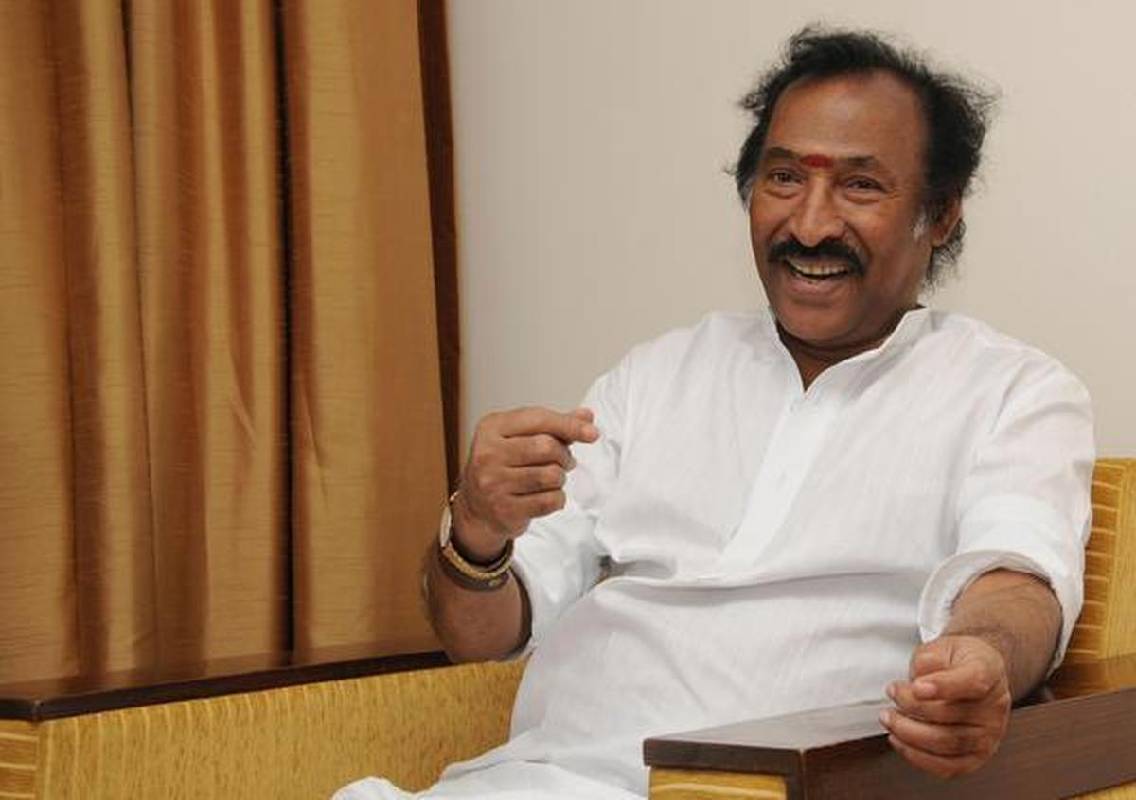
When the first notes of a Deva composition drifted from a Chennai theater in the early 1990s, audiences felt an instant connection. The music director, affectionately called Thenisai Thendral—the breezy wind of Tamil music—had a knack for weaving the city’s street‑level gaana rhythms into the glossy world of film. For a newcomer to Tamil cinema, his songs were more than background; they were cultural signposts, marking the rise of a new sonic identity that blended classical Carnatic underpinnings with the raw energy of folk.
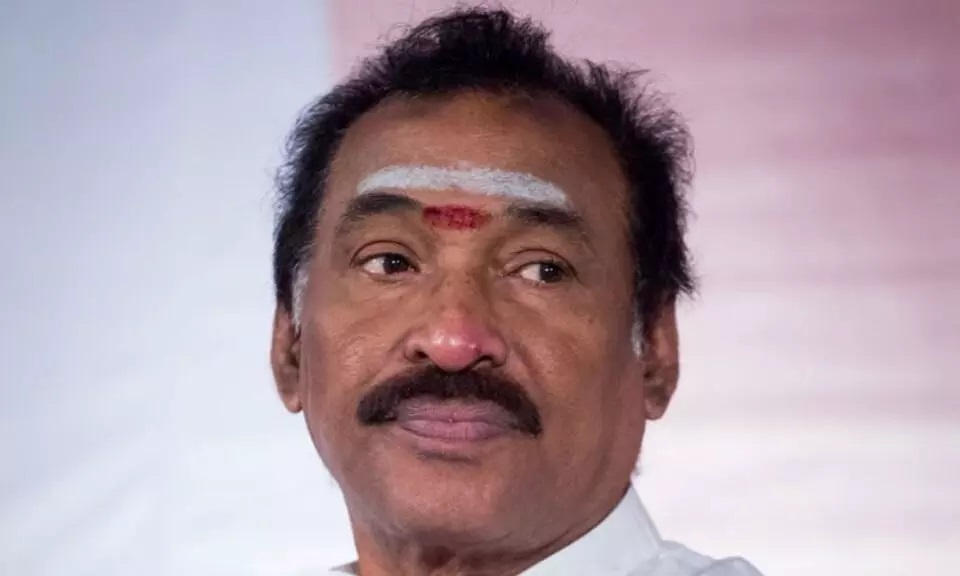
Deva’s career spanned over four hundred films across Tamil, Telugu, Malayalam and Kannada industries. Each project added another layer to his expansive repertoire, from the pulsating beats of Baashha and Annamalai to the haunting romance of Aasai. His ability to pen popular songs that resonated across linguistic borders made him a household name, and his name became synonymous with the soundtracks that defined a generation of South Indian cinema.

Veteran Tamil Music Composer Deva Dies at 75; Film Industry Mourns His Passing https://t.co/n8nBeRkogw
October 17, 2026, began like any other in Chennai’s bustling cultural hub. That morning, Chief Minister Vijay presented Deva with a lifetime achievement award, lauding his “profound impact on the industry and the public.” The ceremony, attended by fellow composers, actors and politicians, was a testament to Deva’s stature—a formal acknowledgment of a career that had shaped the auditory landscape of Tamil film.
His work in Carnatic and folk traditions further showcased his versatility.
Later that same day, the city received the shocking news that the maestro had suffered a fatal heart attack. Deva, 75, passed away in his Chennai home, leaving behind a silence that felt as palpable as the sudden pause in a beloved song. The coincidence of honor and loss on a single day amplified the emotional resonance of his departure, turning a celebration of his legacy into a moment of collective mourning.
The industry’s response was anything but monolithic. Chief Minister Vijay’s supportive remarks underscored the official recognition of Deva’s contributions, framing his work as a cultural bridge that linked diverse audiences. Yet, the aftermath also revealed a spectrum of criticism. Prominent figures such as Rajinikanth and actor Ajith Kumar, both of whom had collaborated with Deva at various points, offered measured critiques of his later output, suggesting that the composer’s once‑innovative style had grown formulaic.
Srinivas, a fellow musician, echoed similar sentiments, pointing to a perceived decline in the freshness that had once defined Deva’s scores. Even Deva’s own family entered the public discourse with a critical stance, perhaps reflecting the complex dynamics that often accompany the legacy of a prolific artist. These divergent viewpoints illustrate how a single career can be both celebrated and contested, especially when it has left an indelible mark on a regional art form.

BREAKING: CM Vijay has announced that late music composer Deva will be accorded state honours at his funeral in recognition of his contributions to the music industry. The Chief Minister is also expected to pay his last respects shortly. #Deva #RIPDeva
What made Deva’s music distinct was his embrace of Chennai’s gaana—a genre rooted in the city’s working‑class neighborhoods, characterized by simple melodies and rhythmic percussion. By integrating gaana into mainstream film scores, Deva elevated a local expression to national prominence. This synthesis not only broadened the appeal of his songs but also validated the cultural narratives of everyday Chennai residents, granting them a voice within the glossy realm of cinema.
His work in Carnatic and folk traditions further showcased his versatility. While many composers specialized in either classical or popular domains, Deva navigated both with equal fluency, crafting pieces that could sit comfortably in a temple concert hall and a commercial theater alike. This duality cemented his reputation as a bridge between tradition and modernity.
Receiving a lifetime achievement award is a rare honor, typically reserved for those whose influence transcends commercial success. For Deva, the accolade from Chief Minister Vijay was more than a ceremonial gesture; it was an affirmation that his melodies had become part of the state’s cultural fabric. The award highlighted his role in shaping not just film music but also the broader auditory identity of Tamil Nadu.
However, the timing of the award—delivered mere hours before his death—added a poignant layer to its significance. It underscored the bittersweet reality that recognition often arrives at the edge of an artist’s final chapter, prompting reflection on how societies honor creators while they are still present to experience that appreciation.

The man who made theatres erupt every single time the letters S-U-P-E-R S-T-A-R appeared on screen. Thank you for the memories, Deva sir. Your music will live on forever. ♥️🙏 https://t.co/RMp2q8R0Lb
Even as Chennai mourns, Deva’s influence persists. Young composers cite his integration of gaana as a blueprint for blending local sounds with contemporary production. Film directors continue to request his signature style for projects that aim to capture the city’s authentic pulse. In academic circles, his body of work is studied as a case study in cultural hybridity, illustrating how regional music can be repurposed for mass entertainment without losing its roots.
The mixed reactions from peers and family members serve as a reminder that artistic legacies are rarely unanimous. Yet, the sheer volume of his output—over four hundred films—ensures that Deva’s melodies will continue to echo in theaters, on radio waves, and in the collective memory of anyone who has ever tapped their foot to a Tamil film song.
As the city of Chennai moves beyond the day it honored and lost one of its most prolific composers, the conversation around Deva’s work will likely evolve. Critics may continue to dissect his later compositions, while supporters will champion his pioneering fusion of gaana and classical motifs. What remains indisputable is that Deva’s music has become an integral thread in the tapestry of South Indian cinema, a thread that will be traced by future generations seeking to understand how a single composer could shape the sound of an entire era.
In the end, the story of Deva is not just about the number of films he scored or the awards he received; it is about how a composer can become the audible heartbeat of a city, and how that heartbeat continues to reverberate long after the final note has faded.