
The streets of Old Delhi are a labyrinth of history and commerce, where the scent of spices mingles with the honk of auto-rickshaws. For the Chamber of Trade and Industry, this is not just a backdrop; it is their livelihood. The organization represents the beating heart of the city’s wholesale and retail economy, a network of markets that includes the iconic Chandni Chowk, the sprawling Sadar Bazar, and the bustling Karol Bagh. These districts are not merely shops; they are engines of trade that feed the capital and beyond.
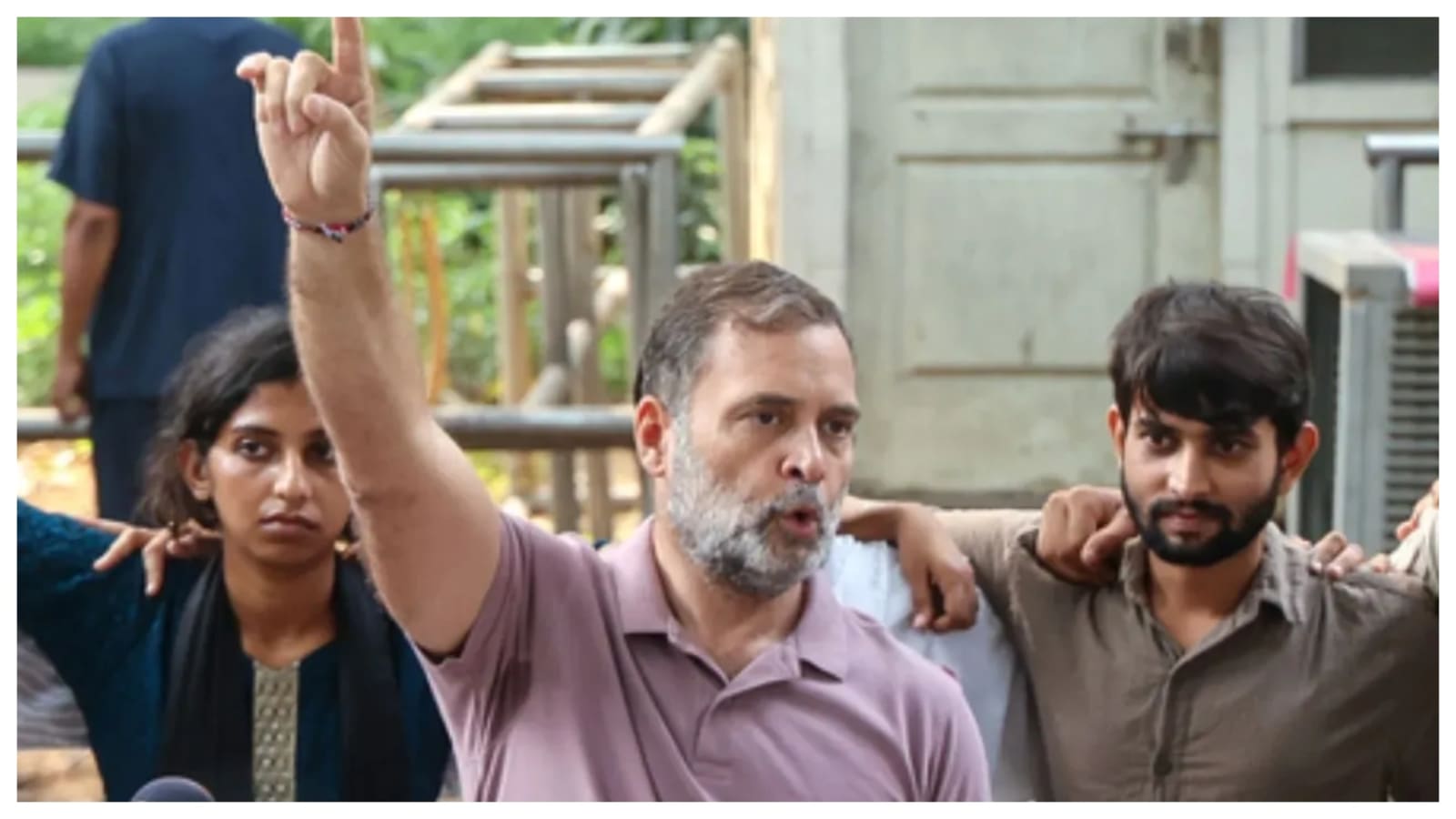
But the rhythm of this economy is fragile. It relies on the seamless flow of customers and goods, a delicate balance easily upset by the sudden arrival of thousands of vehicles. This is the core of the dilemma facing Delhi’s traders as they prepare for a political showdown. Congress leader Rahul Gandhi is scheduled to lead a massive protest rally on November 1 at Ramlila Maidan. The stated purpose of the gathering is to oppose the special intensive revision of voter lists and to challenge the Chief Election Commissioner, Gyanesh Kumar. However, the timing of this political mobilization is causing deep anxiety among the city’s business leaders.
The concerns are not abstract. They are rooted in the hard numbers of lost revenue. The Chamber of Trade and Industry has issued a stark warning to the opposition leader. In a letter addressed to Rahul Gandhi, the organization’s president, Brijesh Goyal, outlined the potential consequences of the rally. He estimated that the event could draw as many as 10 lakh people, accompanied by a sea of 20,000 vehicles. This is not a small gathering; it is a logistical nightmare waiting to happen.
The traders point to a precedent set by a previous, smaller protest at Jantar Mantar.
The traders are not asking for the cancellation of the protest. They are asking for a different stage. They have urged Gandhi to move the venue from the central Ramlila Maidan to Burari. The reasoning is simple: Burari is less congested and better equipped to handle the expected influx of vehicles. The goal is to protect the commercial districts of Old Delhi from the paralysis that a massive rally would bring.
The stakes are incredibly high, measured in the currency of the nation’s economy. The Chamber of Trade and Industry has calculated that a successful rally at the proposed location could result in losses of up to Rs 10,000 crore. This figure represents the potential damage to the wholesale and retail markets if the traffic restrictions and parking chaos drive customers away. The traders argue that when the streets are gridlocked, the customers stay home, and the sales stop.
This is not a hypothetical scenario. The traders point to a precedent set by a previous, smaller protest at Jantar Mantar. That event, which drew around 10,000 participants, caused an estimated Rs 3,000 crore in losses for the city’s markets. The comparison is stark. A smaller event caused a massive financial hit, and a larger one, scheduled for November 1, could be exponentially worse. The fear is that the Rs 10,000 crore figure is not an exaggeration but a conservative estimate of the damage that could be inflicted on the economy during the peak Diwali trading period.
For Rahul Gandhi, the rally is a crucial opportunity to mobilize support against the electoral reforms and the Chief Election Commissioner. It is a chance to rally his base and make a powerful statement about the direction of the country’s democratic processes. However, the business community’s warning suggests that the political message comes with a heavy economic price tag. The traders are not just asking for a venue change; they are asking the opposition leader to consider the real-world impact of his political actions.
The situation highlights the complex interplay between politics and commerce in a city like Delhi. The Chamber of Trade and Industry, while critical of the rally’s potential impact, is essentially asking for a venue that minimizes disruption. They are not taking a stance on the political issues themselves, but rather on the practical consequences of the protest. The request to move to Burari is a pragmatic solution to a potentially disastrous problem.
As November 1 approaches, the city is caught in a tense standoff. The political activists are preparing for a massive rally, while the business community is bracing for the economic fallout. The Chamber of Trade and Industry’s warning has put the Congress leader in a difficult position. He must decide whether to proceed with the rally at its current location or to accede to the traders’ request to move it to Burari. The decision will have far-reaching consequences, not just for the traders of Old Delhi, but for the entire economy of the capital. The Rs 10,000 crore figure serves as a stark reminder of the high cost of political disruption in a city that thrives on the movement of people and goods.