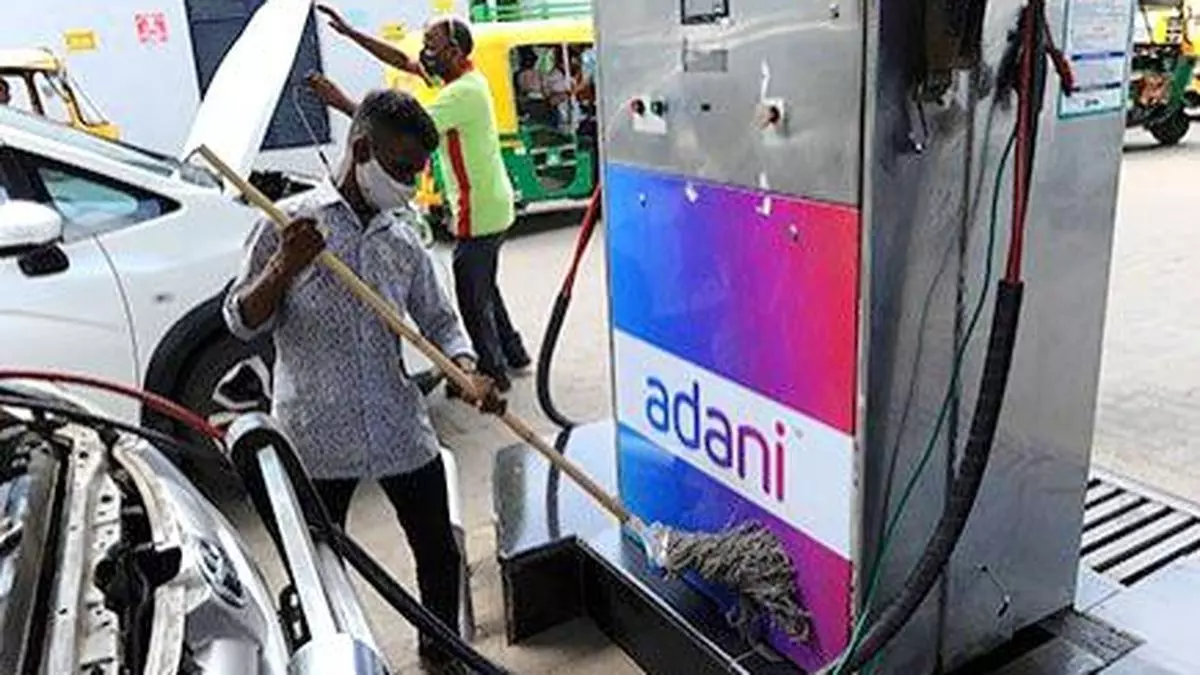
In the bustling streets of Ahmedabad, commuters have already felt the sting of a new price tag on compressed natural gas (CNG). The city’s fuel stations now hand out CNG at ₹98.47 per kilogram, up from the previous price. The hike—₹4.45 per kilogram—was announced by Adani Total Gas Limited (ATGL), the company that supplies the bulk of the region’s CNG. While the numbers may seem small on a per-kilogram basis, the impact ripples through the city’s daily life: from the cost of filling a truck to the price of a family’s grocery run.

CNG is a staple of India’s transport sector, prized for its lower emissions and cost relative to petrol and diesel. The price per kilogram is a direct indicator of how much consumers pay for each unit of fuel. When ATGL raises the price, it signals a shift in the underlying economics of natural gas procurement. For a city that relies heavily on CNG for public transport and private vehicles, even a modest increase can strain household budgets and affect the cost of goods.

#MarketToday | CNG price hike impact: Adani Total Gas shares off day's low amid 'calibrated' price revision https://t.co/xDAbNKZGSk
At the heart of the price change lies the international market for liquefied natural gas (LNG). Global spot LNG prices have risen, reflecting higher international gas prices amid geopolitical developments. The exact figures are not specified, but the cost of importing gas into India has increased, and that cost is passed on to consumers.
In a market where supply disruptions can lead to long queues and fuel shortages, ATGL’s priority is to keep the gas flowing while managing its own procurement costs.
India’s domestic gas production has not kept pace with demand. The New Well Gas (NWG) output from state-owned companies has dwindled, tightening the supply of gas that ATGL can source locally. With domestic availability lower, the company must rely more heavily on imported LNG, which is now more expensive. The combination of reduced domestic supply and higher import costs creates a squeeze on the company’s margins.

ADANI TOTAL GAS: CNG PRICE RAISED BY RS 4.45 PER KG | CITES HIGHER PROCUREMENT COSTS, INTERNATIONAL LNG PRICES, REDUCED DOMESTIC GAS AVAILABILITY
ATGL’s spokesperson explained the decision: "Due to global gas prices, domestic supply shortage, and supply disruptions, the cost of natural gas has increased significantly, necessitating a price hike." The company stresses that the price revision is a necessary step to maintain uninterrupted CNG availability. In a market where supply disruptions can lead to long queues and fuel shortages, ATGL’s priority is to keep the gas flowing while managing its own procurement costs.
The price hike is not limited to Ahmedabad. In Faridabad, CNG now costs ₹102.60 per kilogram, while in Jalandhar the price stands at ₹100 per kilogram. These figures reflect the same cost pressures that affect Ahmedabad, but local market dynamics and distribution costs can cause slight variations. For consumers in these cities, the increased price means higher monthly fuel bills and a potential shift toward alternative fuels or modes of transport.

Adani Total Gas CNG Price Hike: Rates Rise By ₹4.45 Per Kg In Ahmedabad, Faridabad & Jalandhar Amid LNG Price Surge #AdaniTotalGas #CNGPriceHike #CNGPrices #CNGRateHike #NaturalGas #LNGPrices #EnergyPrices #GasPrices #Ahmedabad #IndiaNews https://t.co/wVlnZ77H74 To get epaper daily on your whatsapp click here: https://t.co/0jgewcG8oU
From a consumer standpoint, the hike is a point of contention. While ATGL frames the increase as a response to external market forces, many drivers and commuters feel the pinch directly. CNG is often chosen for its affordability; a rise in price can erode that advantage and push consumers toward pricier fuels. The company’s neutral stance on the issue contrasts with the critical voice of consumers who are wary of further price escalations.

The broader picture is one of a global energy market in flux. Rising LNG prices, geopolitical tensions, and domestic supply constraints are reshaping the cost structure for natural gas in India. ATGL’s recent price revision is a microcosm of these forces at work. While the company assures continuity of supply, the question remains: how long can the market absorb these price shocks before consumers and policymakers intervene? For now, the new prices have taken hold, and the city’s commuters are adjusting to a slightly higher cost of getting on the road.