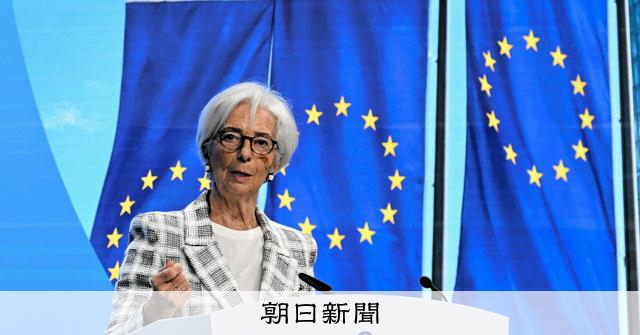
On October 29, 2026, the quiet corridors of the European Central Bank in Frankfurt became the stage for a decision that few expected to arrive with such specific timing. Christine Lagarde, the woman tasked with the monumental responsibility of steering the Eurozone's monetary policy, stood before the press to announce her resignation. It was not a departure prompted by failure or a loss of mandate, but rather a calculated move toward a different kind of power: the power of uninhibited speech.
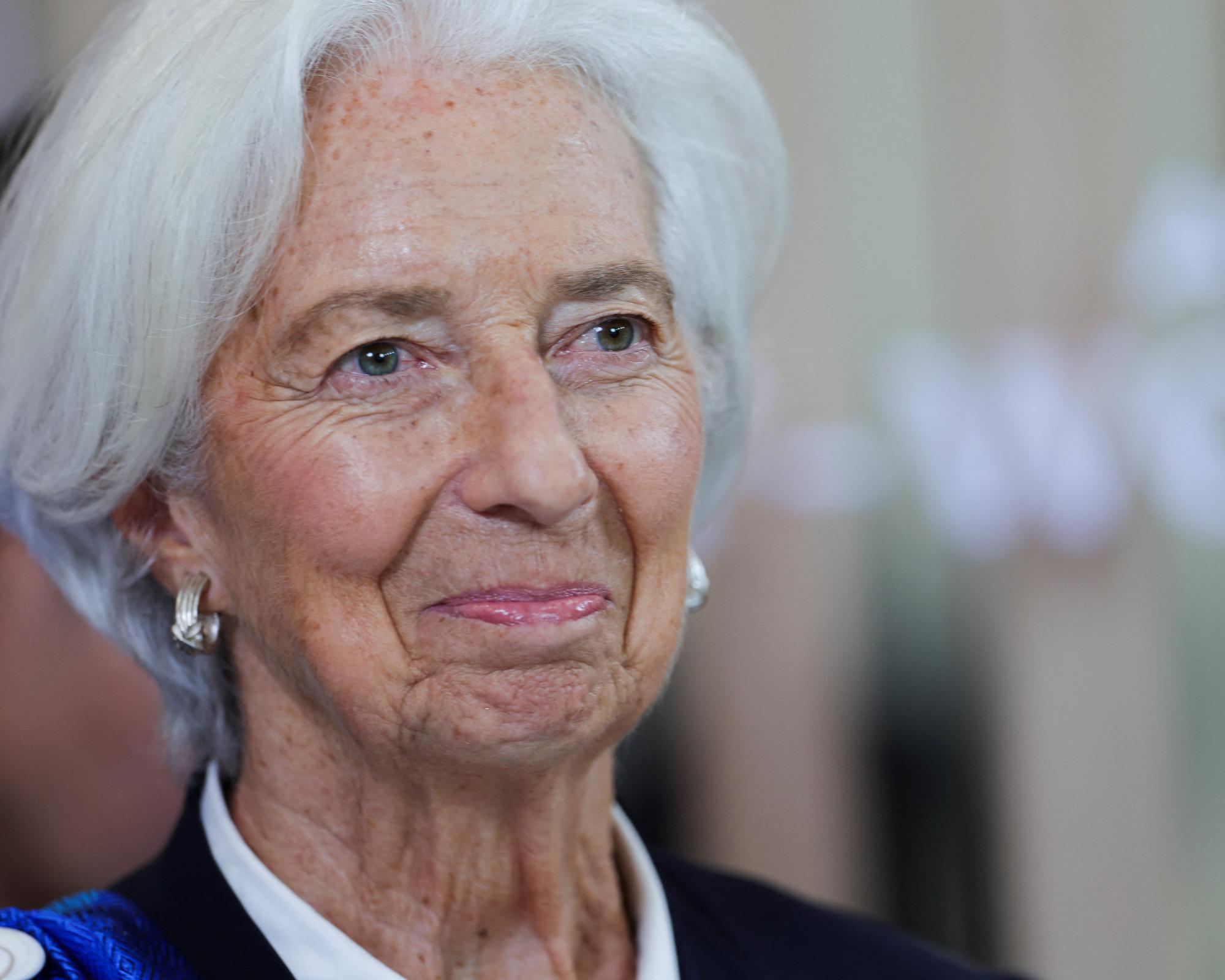
While her current term was not slated to conclude until October, Lagarde has chosen to step down nine months early, with her departure set for February 2027. In the high-stakes world of central banking, where every syllable is weighed for its impact on markets and inflation, such a departure is rare. Most leaders cling to their posts until the final hour of their mandate, but Lagarde is opting for an early exit to pursue a role that the constraints of her current office simply do not allow.
To understand why a leader would walk away from one of the most influential positions in the global economy, one must understand the nature of the European Central Bank presidency. The role is defined by its narrow focus. The President is the guardian of price stability, a figure whose primary duty is to manage interest rates and ensure the economic health of the Eurozone. In this capacity, the President must remain largely insulated from broader political and social debates to maintain the perceived neutrality and credibility of the institution.
She believes that her voice can be a tool for addressing principles she holds dear, specifically the concept of truth.
Lagarde, however, has signaled that this neutrality has become a cage. She noted that while ECB presidents are not eligible for re-election, her mandate would have naturally expired in October regardless. By accelerating her exit, she is not merely finishing her term; she is actively reclaiming her voice. She explained to her colleagues, staff, and governors that her motivation is rooted in a desire for the freedom of speech and the freedom of expression—a freedom that is fundamentally at odds with the disciplined, policy-centric requirements of the ECB.
For Lagarde, the decision is deeply philosophical. Beyond the mechanics of finance, she has expressed a profound concern regarding the state of public discourse. She believes that her voice can be a tool for addressing principles she holds dear, specifically the concept of truth. In an era where she feels truth is frequently damaged by distorted representations, the ability to speak plainly becomes a mission in itself.
"I want to have the freedom of speech, the freedom of expression and the freedom to engage on matters that are not monetary policy matters," she stated during the press conference. This distinction is crucial. By stepping away from the technicalities of monetary policy, she is clearing the path to engage with the world on a broader, perhaps more contentious, stage. She is moving from a position where she must speak only through the lens of economics to one where she can address the fundamental principles of how information is shared and understood in the modern age.
The timing of this announcement adds a layer of complexity to an already shifting European landscape. As Lagarde prepares to vacate her seat in February 2027, the financial world is already looking toward the horizon, speculating on who might succeed her. The vacancy at the head of the ECB is not just a matter of institutional continuity; it is a focal point for the future direction of European economic stability.
This leadership transition comes at a moment of heightened political sensitivity, particularly with upcoming elections in France. The intersection of central bank leadership and national politics is always a delicate one, and Lagarde’s early departure ensures that the search for her successor will be conducted under the intense scrutiny of both markets and political actors. As the speculation regarding potential candidates begins to mount, the European financial landscape finds itself in a state of anticipation, waiting to see how the vacuum left by Lagarde will be filled.