For those watching the long, often stalled dance between Ankara and Brussels, the events of November 4, 2026, felt like a familiar rhythm. The European Commission released its latest report on Turkey, a document intended to measure progress toward European integration. But rather than a roadmap for cooperation, the report arrived as a catalyst for conflict, sparking an immediate and visceral reaction from the Turkish government.

At the heart of the European Commission's assessment was a critical look at the internal mechanics of the Turkish state. The report focused heavily on the health of the judiciary and the state of fundamental rights, specifically pointing to concerns over judicial independence and the freedom of expression. For the EU, these are not merely administrative checkboxes but the essential political criteria that any aspiring member state must satisfy to prove its alignment with European democratic norms.
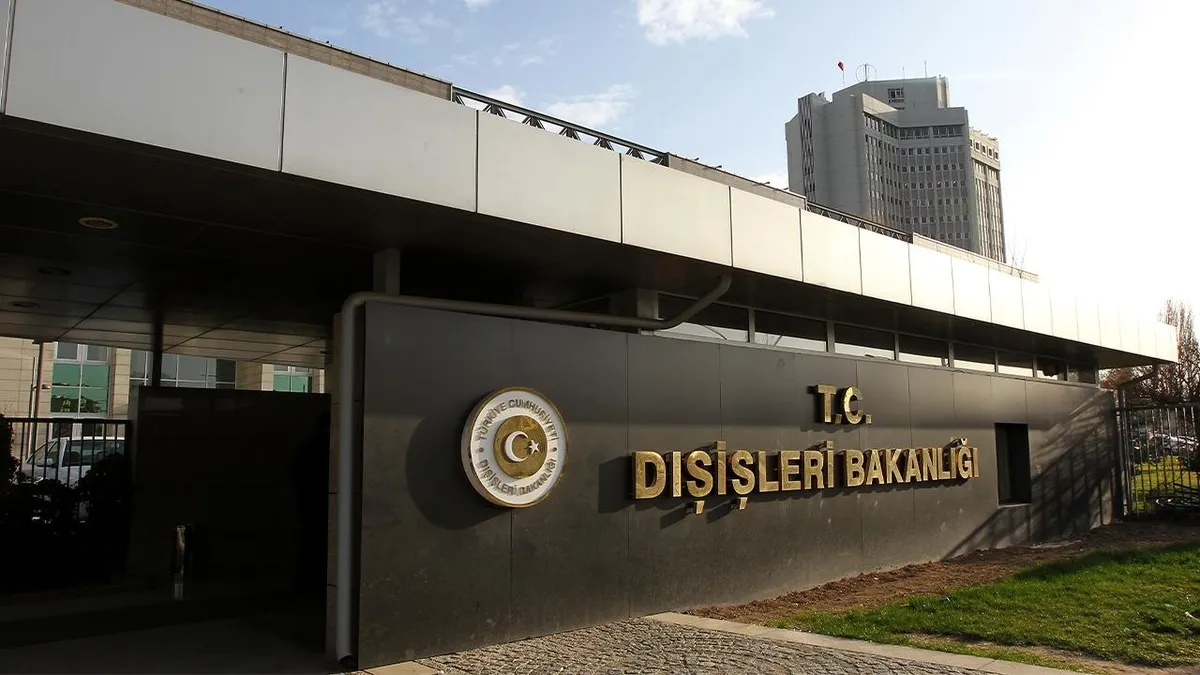
Turkey did not wait long to respond. On the same day the report was released, November 4, 2026, the Foreign Ministry issued a written statement that rejected the EU's findings in the strongest possible terms. The ministry characterized the claims regarding political criteria, the judiciary, and basic rights as unfounded. To Ankara, the report was not an objective analysis but a reflection of a deeper, systemic bias.
The Commission recognized Turkey's vital role in security and defense, as well as its importance within global supply chains.
In a statement that captured the frustration of the Turkish government, the Foreign Ministry asserted that the report "once again reveals the European Union's (EU) prejudiced and unfair attitude towards our country." By framing the EU's critique as a lack of fairness, Turkey positioned itself not as a failing student of democratic reform, but as a partner being judged by a skewed set of standards.
Beyond the internal politics of law and rights, the report waded into the volatile waters of regional diplomacy. The European Commission's stance on the Cyprus issue and its refusal to recognize Turkey's agreements with Libya became primary targets of Ankara's ire. These disputes represent the geopolitical friction that often overshadows the technical requirements of EU accession, turning a report on governance into a clash over sovereignty and regional influence.
Despite the diplomatic firestorm, the report was not entirely critical. It contained a significant acknowledgment of Turkey's strengths, specifically praising its economic performance and the robustness of its market economy. The Commission recognized Turkey's vital role in security and defense, as well as its importance within global supply chains. This creates a paradoxical image: a nation that the EU views as a critical strategic and economic asset, yet one it remains hesitant to embrace politically.
Adding a layer of complexity to the tension was the inclusion of a 2026 enlargement package within the report. This package represents the EU's structural plan for expanding its borders, yet for Turkey, the promise of enlargement feels hollow without a change in approach. The Foreign Ministry used the occasion to call for concrete steps toward accession, arguing that the current process is marred by inconsistency.
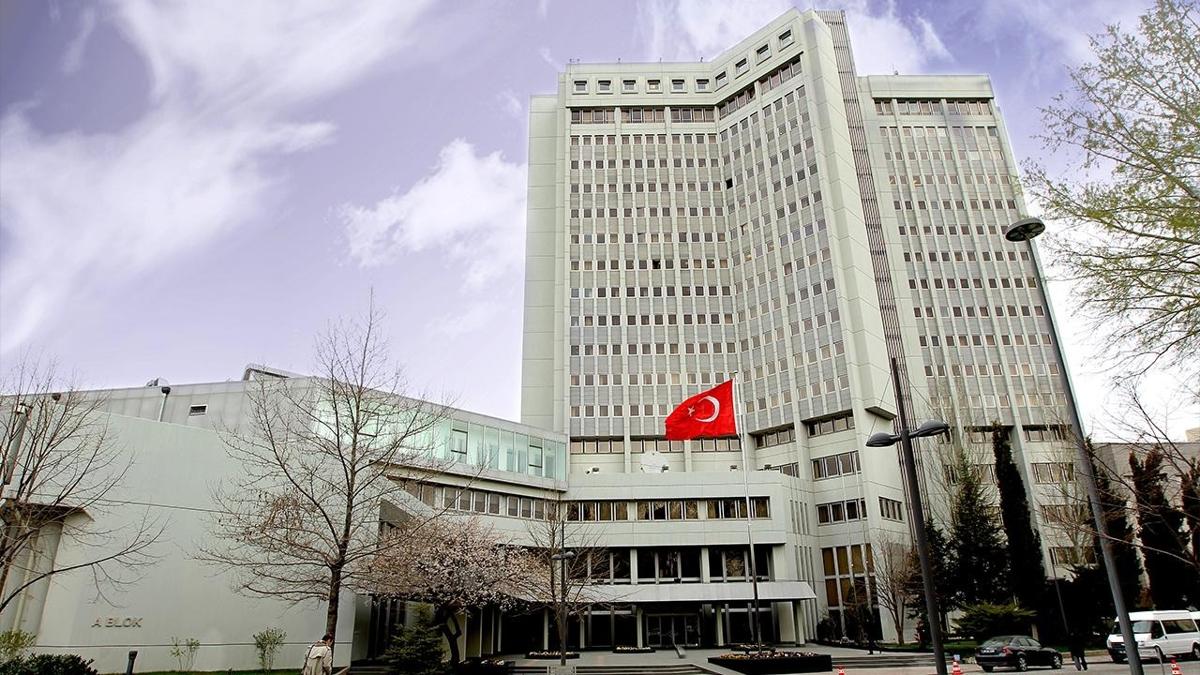
As the dust settled on the exchange, the Turkish government pivoted toward a broader vision of the relationship. Rather than focusing solely on the rigid criteria of the accession process, Ankara called for a partnership based on shared interests and values. This shift suggests a desire for a relationship defined by mutual strategic utility rather than a one-sided evaluation of political compliance.
Today, the relationship remains in a state of suspended animation. While the economic and security ties recognized by the EU provide a foundation of necessity, the deep-seated disagreements over the judiciary and fundamental rights ensure that the path to full integration remains as contested as ever.