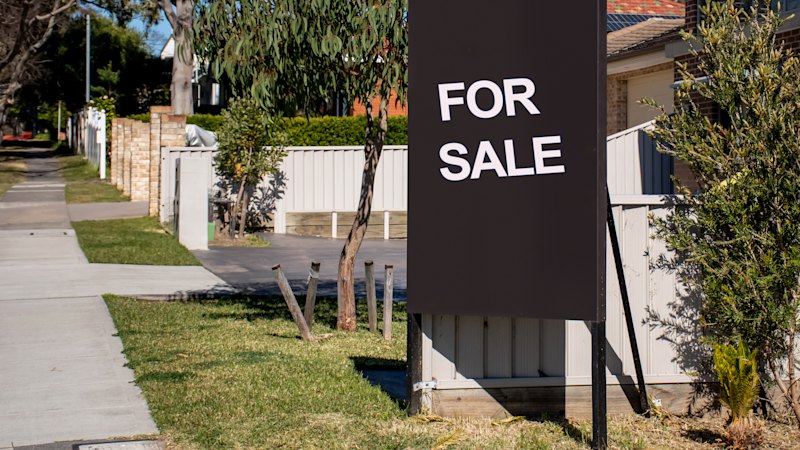
For many Australians, the dream of homeownership has long been synonymous with the promise of ever-increasing equity. But as of October 2023, that narrative has shifted into a period of stark contraction. The national property market has now endured seven consecutive months of decline, a streak that culminated in a 1.2% drop in median home values during October alone. This is not merely a cooling period; it represents a significant structural retreat. Since March, the cumulative decrease in property values has reached 6.7%, a slide that has erased $63,400 from the median home price. In practical, household-budget terms, this equates to a loss of more than $9,000 in value every single month.

The scale of this downturn is perhaps best illustrated by the changing landscape of the nation’s most expensive real estate. Just two years ago, five of Australia’s capital cities boasted median house prices exceeding the $1 million mark. Today, that elite club has shrunk significantly. Only Sydney and Brisbane remain above that threshold, a testament to how aggressively the market has recalibrated. Sydney, long the bellwether for national trends, saw its median house price fall by another 1.9% in October, bringing its year-to-date decline to 11.1% and leaving the median price at $1.44 million.
While Sydney often captures the headlines, the current downturn is far from localized. The weakness has spread across the country with remarkable consistency. Brisbane, in particular, has emerged as the weakest market nationally, with its median value falling by 2% over the last three months. The trend is mirrored in other major hubs; Perth and Adelaide recorded declines of 1.7% and 1.2% respectively. Tim Lawless of Cotality, observing the breadth of this shift, noted that "virtually every suburb across Brisbane, Perth and Adelaide has recorded a drop in values over the past three months." This ubiquity suggests that the forces driving the market down are not specific to any one neighborhood or city, but are instead systemic.
The trend is mirrored in other major hubs; Perth and Adelaide recorded declines of 1.
As homeowners watch their equity evaporate, all eyes are turning toward the Reserve Bank. The central bank’s potential for another interest rate hike this week looms as a primary concern for market participants. The relationship between interest rates and property values is direct: as the cost of borrowing rises, the purchasing power of prospective buyers diminishes, and the burden on existing mortgage holders increases. This ongoing pressure from rising rates has been a consistent headwind for the market, effectively capping the appetite for new acquisitions and forcing a re-evaluation of asset prices across the board.
Despite the pervasive nature of the downturn, the national picture is not entirely uniform. While the majority of capital cities have succumbed to the downward pressure, Hobart and Darwin have bucked the trend, recording slight increases of 0.6%. These outliers serve as a reminder that local market dynamics can occasionally resist broader national currents, even when the macroeconomic environment is overwhelmingly focused on cooling an overheated sector.
As the nation moves forward, the housing market remains in a state of delicate flux. The combination of seven months of consecutive value declines and the looming prospect of further monetary tightening by the Reserve Bank suggests that the period of rapid, unchecked growth is firmly in the rearview mirror. For now, the focus remains on how much further the market will adjust, and whether the current cooling will stabilize or deepen as the year draws to a close.