
In the shadow of escalating tensions, the world watches as Iran and the United States navigate a complex diplomatic landscape. The situation has reached a critical juncture, with the United States attempting to open a dialogue to avert a military clash.

Recently, US Vice President JD Vance sent a letter to Iran exploring options for talks. The letter was a move aimed at finding common ground and understanding, hoping to prevent a military escalation that could have far-reaching consequences.

BREAKING: Iran’s FM Abbas Araghchi tells Al Jazeera Tehran has studied a letter sent by US Vice President JD Vance, calls Washington’s attempt to open dialogue a “positive step.” 🔴 LIVE updates: https://t.co/uyXbCXeySo https://t.co/13UjRw1m1T
In a statement, Iranian Foreign Minister Abbas Araghchi responded positively to Vance's letter, calling it a 'positive step' toward opening dialogue. However, he made it clear that Iran has no immediate plans to meet with US officials. Araghchi's statement was a carefully crafted balance, acknowledging the potential for dialogue while maintaining Iran's stance of readiness for all scenarios, including war.
The US Vice President's letter was part of a broader strategy to open a dialogue and avoid military action.
Iran's foreign minister, Iraqchi, echoed these sentiments. He emphasized that there are no current plans for meetings with US officials and that the conditions for such meetings remain unchanged. Iraqchi also warned that any attempt to stir up discord would be a mistake, reflecting Iran's firm stance on the issue.

ARAGHCHI: VANCE LETTER DISCUSSED ON HIGH LEVEL; US STEP TO RESTART NEGOTIATIONS 'POSITIVE STEP'
The Iranian government has carefully studied the message from the US and discussed it in high-level meetings. These discussions underscore the complexity of the situation, as Iran seeks to navigate the delicate balance between engagement and deterrence. The internal deliberations highlight the consensus on Iran's stance, with no immediate plans for direct talks but a readiness to engage in indirect negotiations if the conditions are right.
Araghchi warned that any attempt to stir up discord would be a mistake, emphasizing Iran's readiness for all scenarios, including war. This statement was a clear signal to the US and other regional players that Iran is prepared to confront any challenges. Araghchi's words carried significant weight, given his position as the country's top diplomat.

🚨 IRAN CONFIRMS HIGH-LEVEL DISCUSSIONS OVER JD VANCE LETTER — BUT NO DIRECT TALKS PLANNED Iranian Foreign Minister Abbas Araghchi confirms Tehran has discussed Vice President JD Vance’s letter in high-level meetings. Araghchi called Washington’s outreach a “positive step” toward dialogue but insisted, “We see no need to meet with the Americans at present.” Qatari and Pakistani mediators continue consultations as tensions between Washington and Tehran remain high.
The US Vice President's letter was part of a broader strategy to open a dialogue and avoid military action. Vance's goal was to broaden the dialogue and understanding, which Araghchi described as a positive step. This approach was aimed at finding common ground and preventing a military escalation.
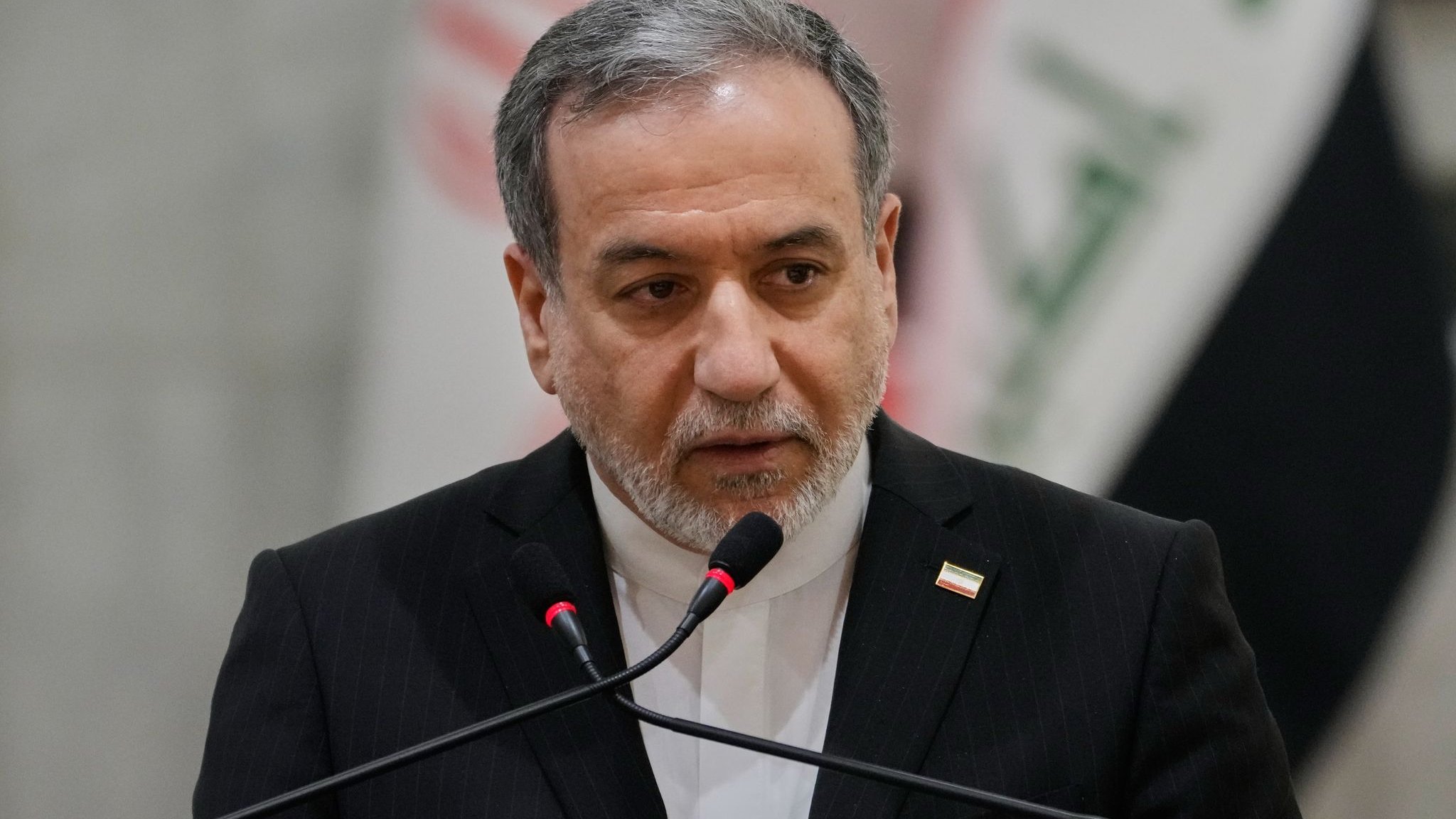
The situation is complex and multifaceted. The US and Iran are locked in a tense standoff, with both sides wary of any moves that could spark conflict. The US seeks to open a dialogue to avert a military clash, while Iran is focused on maintaining its sovereignty and readiness for all scenarios.
The situation remains tense. Iran has rejected US overtures for direct meetings, while maintaining its readiness for all scenarios, including war. The US continues to explore options for dialogue, with the goal of avoiding military action. The next moves will be critical as both sides navigate the complex geopolitical landscape.
- Iran's foreign minister Abbas Araghchi responded positively to US Vice President JD Vance's letter but stated that Iran has no plans to meet with US officials. - Iran's foreign minister warned that any attempt to stir up discord would be a mistake and emphasized Iran's readiness for all scenarios, including war. - The US Vice President's letter was part of a broader strategy to open a dialogue and avoid military action.
- 'The American side’s attempt to open the door to dialogue and understanding more broadly is a positive step' - Abbas Araghchi, Iranian Foreign Minister