
When the ballots were counted following the 2026 Knesset elections, the Israeli political arena witnessed a notable shift. Yair Golan, the chairman of the Democrats party, stepped onto the national stage as a vocal architect of a coalition that would explicitly include Israel’s Arab parties. For a reader unfamiliar with Israel’s parliamentary quirks, the Knesset’s 120 seats are the arena where every vote translates into a seat, and the balance of power hinges on the ability to string together a majority of at least 61 seats.
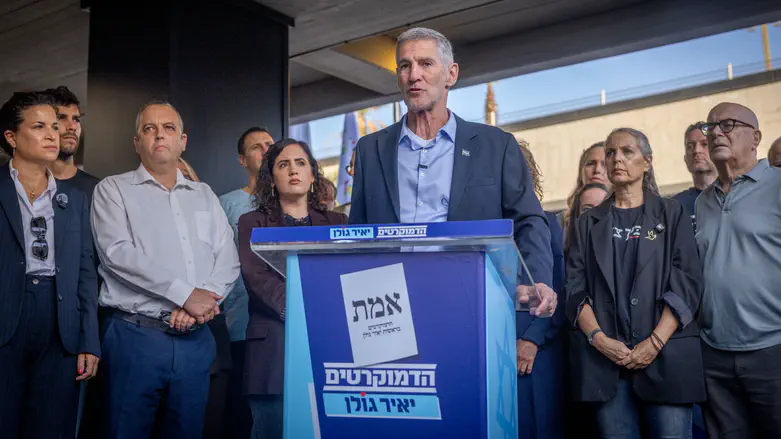
Golan’s first public statement was a simple arithmetic claim that carried profound political weight: “Netanyahu lost. I know how to count to 120. Sixty-five is more than 55.” The figure of 65 seats represents the sum of the opposition bloc’s seats, according to Golan, while the incumbent Prime Minister Benjamin Netanyahu’s bloc sits on 55 seats. In the same tally, the coalition bloc fell to 54 seats, and the so-called “bloc of change” held 48 seats. The numbers, while straightforward, signal a shift: the opposition now possesses a numerical edge that could, in theory, translate into governing authority.

‘Netanyahu has lost’: Yair Golan calls for coalition with Arab parties With 60% of votes counted and neither bloc holding a majority, Democrats leader urges opposition to join forces with Ra'am and the Joint List, arguing that Arab... https://t.co/n1AOBRpKv0 https://t.co/tMw9Uamfzu
The 2026 election results included the Joint List securing 12 seats, while Ra’am rose to six seats. Together, these parties account for a sizable bloc. Golan’s rhetoric makes clear that he frames Arab participation as a responsibility and an opportunity for a “government of change.”
” While Tibi’s words remain measured, they mark a departure from the entrenched reluctance that has often kept Arab parties on the periphery of Israeli governance.
Golan’s call was explicit: the opposition bloc should extend an invitation to Arab parties to form a government together. He emphasized that “the vote of an Israeli citizen who votes in Tira is worth exactly the same as the vote of an Israeli citizen who votes in Givat Shmuel,” underscoring the principle of equal representation. This appeal was echoed by fellow Democrat MK Gilad Kariv, who emphasized the need for the opposition to work with Arab parties and form a government that serves all Israeli citizens.

'Netanyahu lost': Yair Golan calls for government with 'Arab' parties, rejects exclusion of Palestinian votes —— Israeli so-called "Democratic Party" leader Yair Golan called on the opposition, led by Gadi Eisenkot, to form a government in partnership with 'Arab' (Palestinian) parties following Israel's elections. In a post on X, Golan declared that Netanyahu had lost, arguing that the opposition commands a 65-seat majority against Netanyahu's 55. He condemned Netanyahu's distinction between Jewish and 'Arab' votes as racist, insisting that the vote of a Palestinian citizen in Tayibe carries exactly the same weight as that of a Jewish citizen in Givat Shmuel. Responding to Netanyahu's insistence on a "Zionist majority," Golan pointed to the 16 lawmakers from non-Zionist ultra-Orthodox parties within Netanyahu's bloc, criticizing their support for widespread military draft exemptions. He argued that the opposition holds both a Zionist majority of 49 seats against 39 and an overall parliamentary majority of 65 against 55 when Palestinian parties are included. Golan urged opposition leaders to abandon their reluctance to cooperate with Palestinian representatives and establish a government serving all citizens. "We have a majority. We have responsibility. And we have an opportunity to form a government of change in partnership with Israel's Arab citizens," he wrote. Meanwhile, with counting still underway, the latest reported results give Netanyahu's bloc 54 seats, Eisenkot's bloc 48, and Arab parties 18, leaving no bloc with a majority on its own.
The invitation did not go unanswered. Joint List veteran Ahmad Tibi signaled a willingness to collaborate, stating, “The opposition bloc will be able to form a government if it has the courage. We are extending a hand and are ready to help.” While Tibi’s words remain measured, they mark a departure from the entrenched reluctance that has often kept Arab parties on the periphery of Israeli governance. The readiness to sit with the opposition signals a potential realignment that could reshape legislative priorities.
Beyond the arithmetic, Golan framed the majority as a moral imperative: “We have a majority. We have a responsibility. And we have an opportunity to form a government of change, in partnership with Israel’s Arab citizens.” Golan urges political leaders to overcome fear and racism, emphasizing equal representation for Arab citizens and challenging Netanyahu’s claims about Zionism.

❗️'Netanyahu lost': Yair Golan calls for government with 'Arab' parties, rejects exclusion of Palestinian votes Israeli so-called "Democratic Party" leader Yair Golan called on the opposition, led by Gadi Eisenkot, to form a government in partnership with 'Arab' (Palestinian) parties following Israel's elections. In a post on X, Golan declared that Netanyahu had lost, arguing that the opposition commands a 65-seat majority against Netanyahu's 55. He condemned Netanyahu's distinction between Jewish and 'Arab' votes as racist, insisting that the vote of a Palestinian citizen in Tayibe carries exactly the same weight as that of a Jewish citizen in Givat Shmuel. Responding to Netanyahu's insistence on a "Zionist majority," Golan pointed to the 16 lawmakers from non-Zionist ultra-Orthodox parties within Netanyahu's bloc, criticizing their support for widespread military draft exemptions. He argued that the opposition holds both a Zionist majority of 49 seats against 39 and an overall parliamentary majority of 65 against 55 when Palestinian parties are included. Golan urged opposition leaders to abandon their reluctance to cooperate with Palestinian representatives and establish a government serving all citizens. "We have a majority. We have responsibility. And we have an opportunity to form a government of change in partnership with Israel's Arab citizens," he wrote. Meanwhile, with counting still underway, the latest reported results give Netanyahu's bloc 54 seats, Eisenkot's bloc 48, and Arab parties 18, leaving no bloc with a majority on its own.
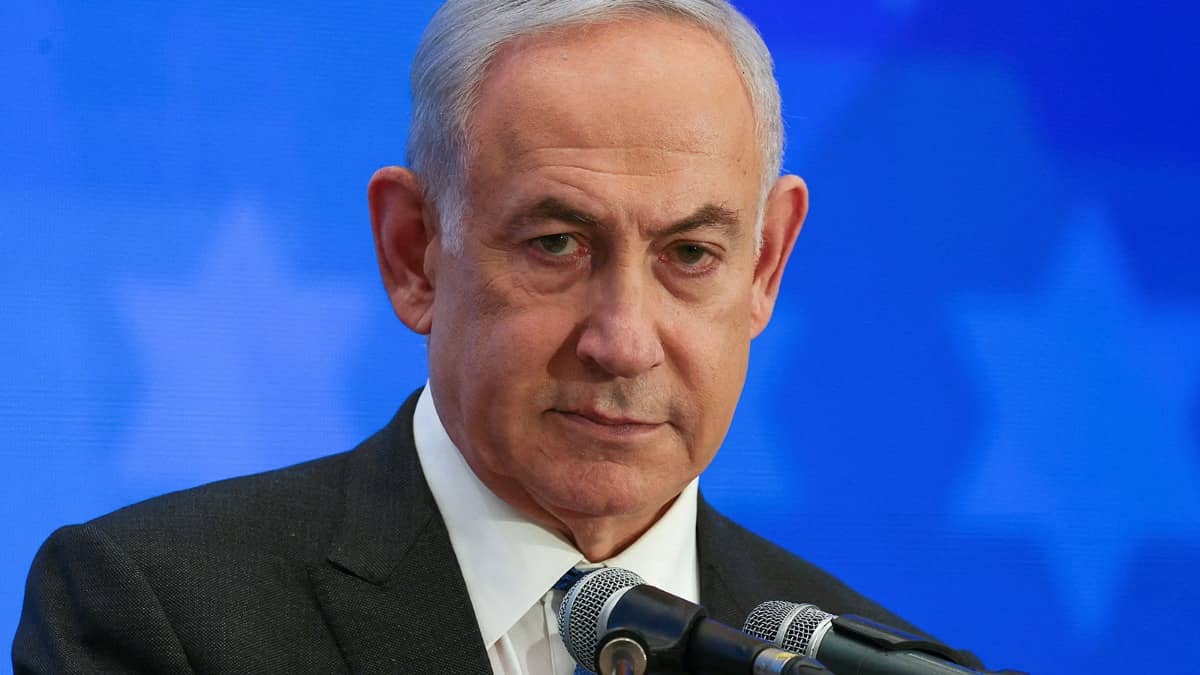
While Golan’s statements dominate the narrative, Netanyahu remains the leader of a 55-seat bloc. The political tension persists as Golan continues to challenge Netanyahu’s claims and advocate for a new path for the country.
As the dust settles on the 2026 election, the real work begins. The opposition must negotiate to bridge the gap between their current standing and the 61-seat majority required to form a government. If successful, Israel could witness a coalition built on a partnership between Jewish and Arab parties, a development that would reverberate through its social fabric.