On the night of October 28, the skies across Ukraine became the setting for a complex, high-velocity aerial barrage. Russian forces launched a coordinated attack that combined heavy ballistic missile firepower with a varied fleet of dozens of unmanned aerial vehicles. The multi-pronged offensive targeted multiple regions, forcing air defense crews into high-stakes engagements from midnight through the early morning hours.
According to updates from the Air Force Command, the overnight assault featured an Iskander-M/S-400 ballistic missile fired alongside 88 attack drones. The strike was designed to saturate radar systems and strain defensive positions by pairing conventional low-speed models with faster, rocket-powered unmanned aerial vehicles and radar-confusing decoys.
The launch sites behind the strike spanned several distinct locations surrounding Ukraine. Russian forces launched the Iskander-M/S-400 ballistic missile from Taganrog, near the eastern border region. At the same time, the wave of 88 attack UAVs was dispatched from three separate staging areas: Orel and Kursk within Russia, as well as military positions in occupied Crimea.
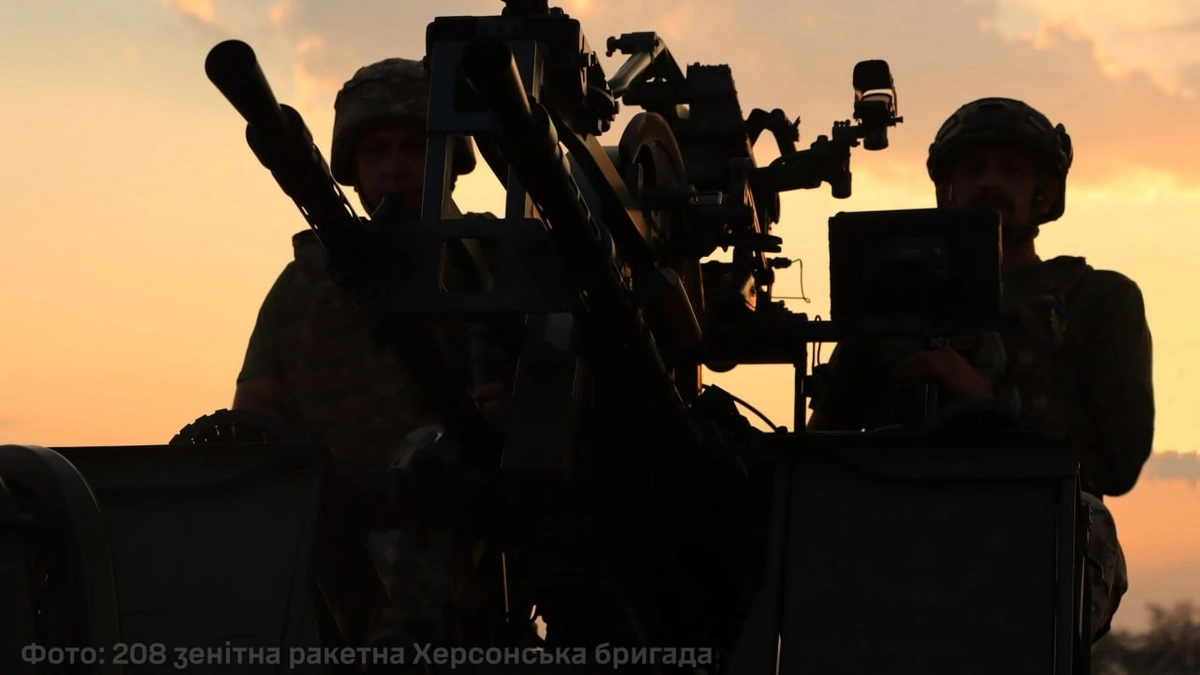
Mobile firing groups—agile teams equipped with heavy machine guns and specialized weaponry—maneuvered into predicted flight corridors to engage low-flying drones.
By launching weapons simultaneously from eastern positions like Taganrog, northern bases in Orel and Kursk, and southern locations in occupied Crimea, the attack forced Ukrainian tracking networks to monitor multiple vectors at once. The technological mix of the incoming fleet added further complexity. Among the 88 drones sent into Ukrainian airspace, 38 were high-speed, rocket-powered jet drones. These were deployed alongside standard Shahed attack drones and non-lethal decoys intended to draw defensive fire away from primary targets.
Countering an incoming swarm with varied speeds, altitudes, and guidance mechanisms required a layered military response. Ukrainian defense authorities mobilized a combined network that brought together aviation, anti-aircraft missile troops, electronic warfare units, and mobile firing groups.
Each defensive component fulfilled a specialized role. Electronic warfare units worked to disrupt command signals and guidance channels, suppressing incoming UAVs mid-flight. Mobile firing groups—agile teams equipped with heavy machine guns and specialized weaponry—maneuvered into predicted flight corridors to engage low-flying drones. Meanwhile, anti-aircraft missile units and fighter aviation provided high-altitude coverage to track faster targets and intercept weapon trajectories before they could strike urban centers or critical infrastructure.
The air defense operation continued continuously throughout the night and into the morning hours. By 8:00 AM, defensive forces had managed to shoot down or suppress 71 of the 88 incoming enemy UAVs.

The interception efforts were notably effective against the strike's high-speed elements. Out of the 38 rocket-powered jet drones launched during the operation, Ukrainian air defense units successfully neutralized 31. Through kinetic missile engagements, gun fire, and electronic warfare suppression, the majority of the incoming drones were brought down before reaching their targets.
Despite the high interception rate, the barrage caused significant damage on the ground. Weapons that penetrated defensive barriers, alongside falling fragments from intercepted vehicles, landed in several communities. Overall, hits by enemy air attack weapons were recorded at 8 distinct locations, while falling debris was noted at 2 additional sites.
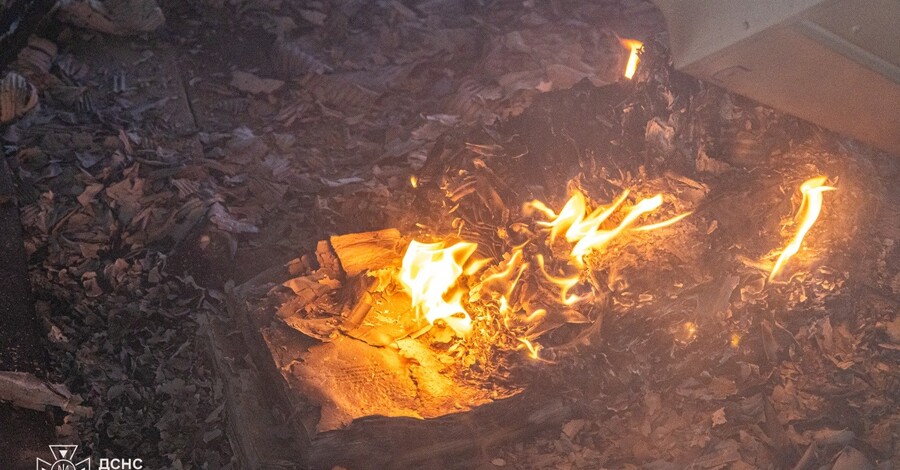
The most acute civilian impact occurred in Kharkiv. A strike in the city set off a fire inside a residential building. The resulting blaze and structural damage injured five people, including a four-year-old child, highlighting the human cost of the overnight attack as emergency crews moved in to clear debris and assist residents.