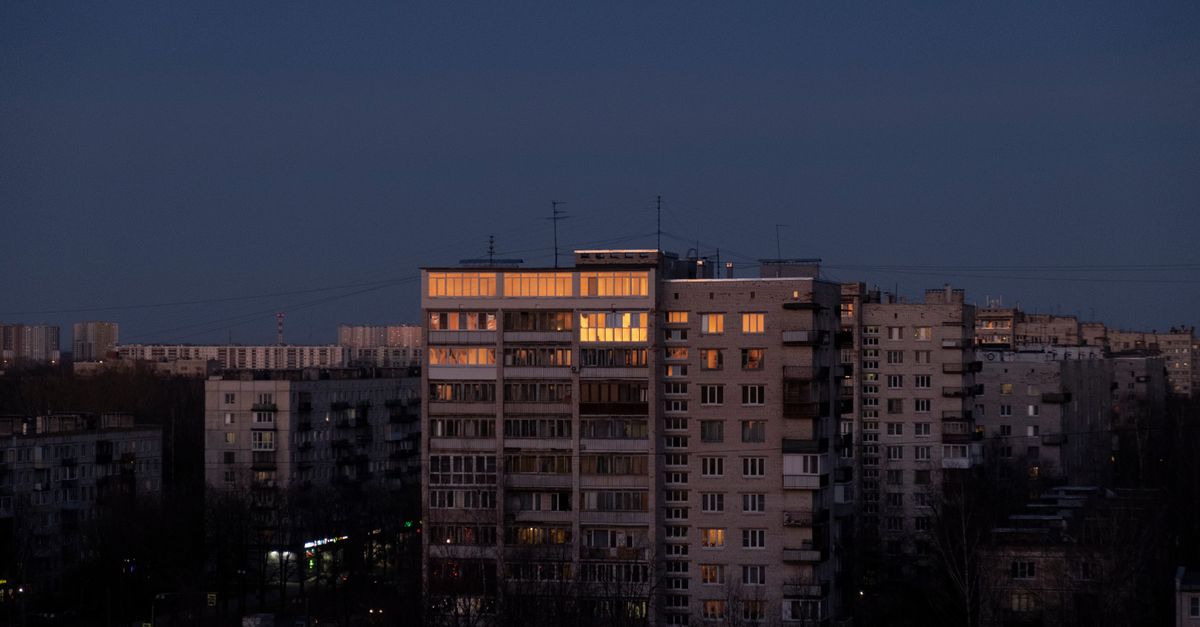
For three hours, the sky over Kyiv remained a zone of high tension. The Air Forces reported the presence of Russian drones hovering over the city and the surrounding region, turning the familiar skyline into a theater of aerial surveillance and impending strikes. This was not a fleeting moment of alarm, but a sustained period of dread that set the stage for the disruptions to follow.
While the drones circled, the damage was already being felt in the marrow of the city's survival systems. Following the Russian attack on energy facilities reported on October 15, the full weight of the disruption became apparent. The Russian military attacked energy facilities in Kyiv and its region. This was described by officials as a sequential attack.
Due to the attacks on energy facilities, power outages occurred in parts of Kyiv and Kyiv Oblast. The impact was not uniform, but it was profound: in various sectors of Kyiv and the broader Kyiv Oblast, consumers found themselves suddenly disconnected from the grid. The lights did not merely flicker; in many areas, they simply ceased to exist.
The Ukrainian Ministry of Energy, Ukrenergo, and DTEK all mobilized, signaling that the battle for restoration had begun.
In a modern metropolis, electricity is the invisible thread that holds all other services together. When that thread is severed, the consequences cascade. As the power outages took hold across parts of the capital and its surrounding province, a secondary crisis emerged in the plumbing.
In the right-bank part of Kyiv, the loss of energy translated directly into a loss of pressure in the water pipes. Several districts reported significant drops in water pressure, a direct consequence of the damage sustained by energy facilities in the Kyiv Oblast. For residents, the crisis was two-fold: the inability to light their homes and the struggle to access basic water services, turning a technical failure into a domestic struggle for stability.
As the city grappled with the sudden absence of essential services, the machinery of the state moved into a mode of emergency response. The Ukrainian Ministry of Energy, Ukrenergo, and DTEK all mobilized, signaling that the battle for restoration had begun. The task is not merely one of technical repair, but of working under the ongoing threat of attacks.
Energy workers are engaged in efforts to restore power. However, their progress depends on safety conditions. The Ministry of Energy has made it clear that the brigades are prepared to move, but they are bound by the necessity of safety. Restoration efforts can only proceed as soon as the prevailing safety conditions allow, meaning the timeline for the return of electricity is tethered to the cessation of military activity.
In the midst of such disruption, the vacuum left by darkness is often filled by confusion. Authorities, including Mayor Vitaliy Klitschko, have been vocal about the reality of the situation, emphasizing that the outages and water supply issues are expected to continue for a period. The instability is not a momentary glitch but a lingering condition of the current conflict.
To manage the social impact of the crisis, officials have issued urgent pleas to the public. There is a concerted effort to prevent the spread of unverified information, which can exacerbate panic during times of infrastructure failure. Citizens are being urged to use their remaining energy resources sparingly, a plea for collective discipline as the nation waits for the grid to stabilize.
As it stands, the situation in Kyiv remains one of cautious endurance. The energy workers are doing everything possible to return the city to normalcy, but the damage to the critical infrastructure remains a significant hurdle. For the people of Kyiv and the Kyiv Oblast, the rhythm of life has been fundamentally altered, dictated now by the status of the power lines and the movement of drones in the sky. The lights may be out, but the effort to bring them back is a central, ongoing struggle in the city's fight to maintain its daily life.