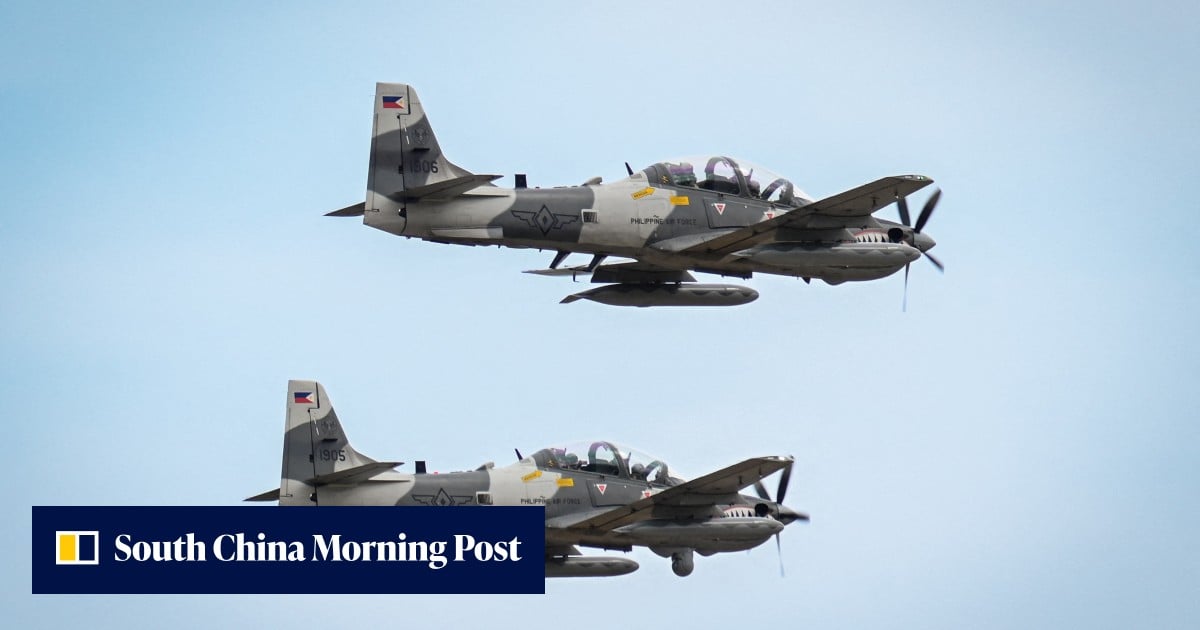
In the quiet routine of military aviation, training exercises are the bedrock of operational readiness. Pilots spend countless hours in the cockpit, honing the precision and reflexes required to navigate the complexities of flight. But on the afternoon of October 23, 2026, that rhythm was shattered. At 3:51 PM, a training mission at Fernando Air Base in the Batangas province took a catastrophic turn when two SF-260 trainer aircraft, operated by the Philippine Air Force, collided in mid-air. The incident, occurring during what was intended to be a standard training flight, resulted in the immediate loss of four pilots.
Following the collision, the immediate priority at Fernando Air Base shifted from training to containment and recovery. The base was quickly secured as authorities moved to manage the wreckage and initiate the formal protocols that follow such a disaster. For the Philippine Air Force, the loss of four personnel is a profound blow, prompting an official announcement that expressed deep condolences to the families of the fallen. Such incidents, while rare in their severity, cast a long shadow over the military community, forcing a sudden and painful pause in operations.

Four Philippine Air Force Pilots Killed in Midair Training Collision https://t.co/nFCONtwMEZ
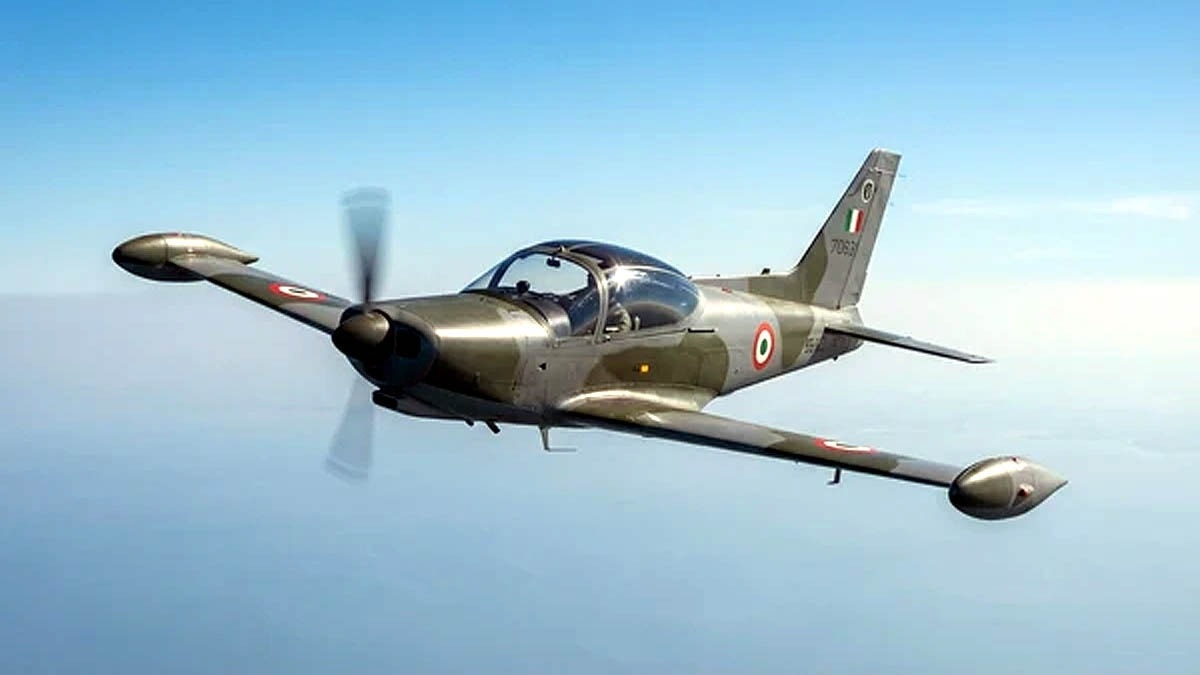
In the wake of the crash, the Philippine Air Force took the decisive step of grounding its entire fleet of SF-260 aircraft. The SF-260 is a light, agile trainer aircraft widely utilized for its role in preparing pilots for more advanced combat platforms. By grounding the fleet, the Air Force effectively halted all training sorties involving these specific planes, ensuring that no further risks are taken until the mechanical and operational integrity of the aircraft can be fully verified. This precautionary measure is a standard, albeit disruptive, procedure in military aviation, intended to prevent further accidents while investigators work to determine the root cause of the collision.
The SF-260 is a light, agile trainer aircraft widely utilized for its role in preparing pilots for more advanced combat platforms.
An investigation is now underway to piece together the final moments of the two aircraft. Investigators are tasked with analyzing flight data, communication logs, and environmental factors to understand how two planes, engaged in a coordinated training exercise, ended up on a collision course. This process is meticulous and often lengthy, as it requires separating human error from mechanical failure or unforeseen external conditions. The findings will be critical not only for the families of the four pilots but for the future of the SF-260 program itself, which has seen fatal crashes occur as recently as 2023.
This latest tragedy is not the first time the SF-260 fleet has been associated with loss. The history of the aircraft within the Philippine Air Force is marked by previous fatal incidents, a fact that adds a layer of gravity to the current investigation. As the military grapples with the loss of four of its own, the broader question of safety protocols and the aging of training platforms remains at the forefront of the conversation. For now, the skies over Batangas remain quiet, with the Philippine Air Force waiting on the results of the investigation before deciding when—or if—the SF-260 fleet will return to the air.