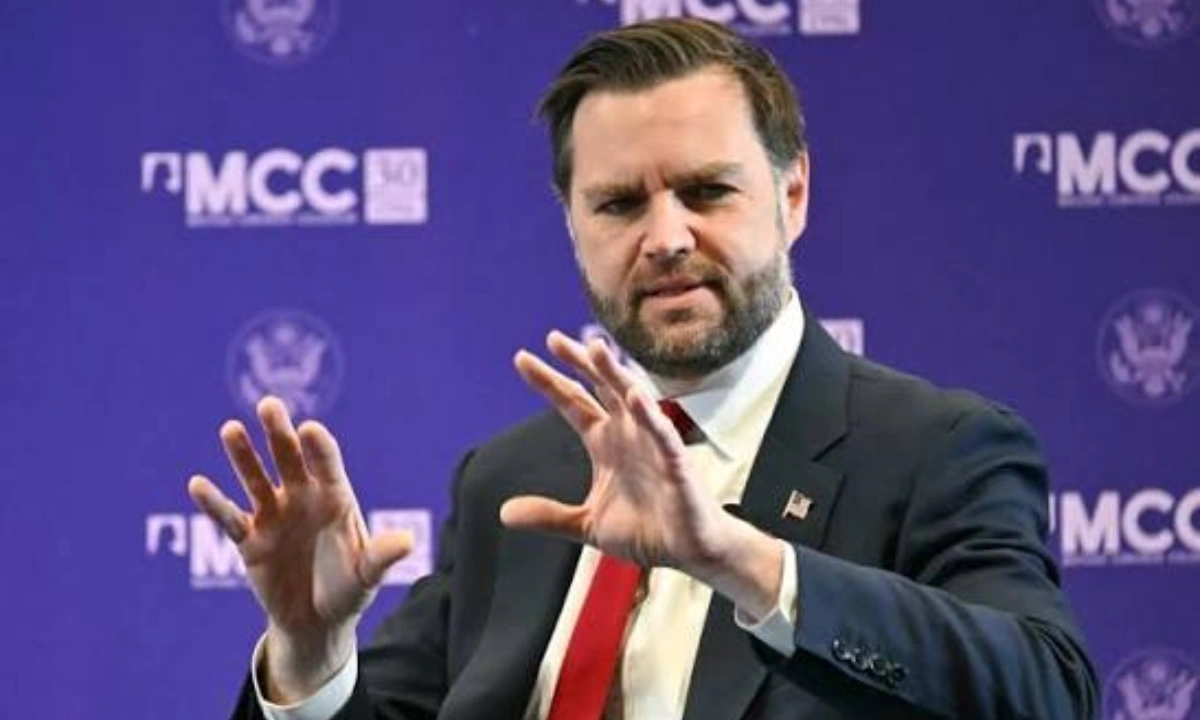
The relationship between the United States and Iran has long been defined by a sense of inescapable entanglement. For nearly half a century, the two nations have navigated a landscape of deep-seated hostility and strategic maneuvering. It is a friction that has shaped Middle Eastern geopolitics for 47 years, creating a cycle of tension that often feels as though it has no exit strategy. Following the conflict that unfolded on February 28, 2026, that sense of instability has only intensified, leaving many to wonder if the United States is once again being pulled into the gravity of a regional struggle.
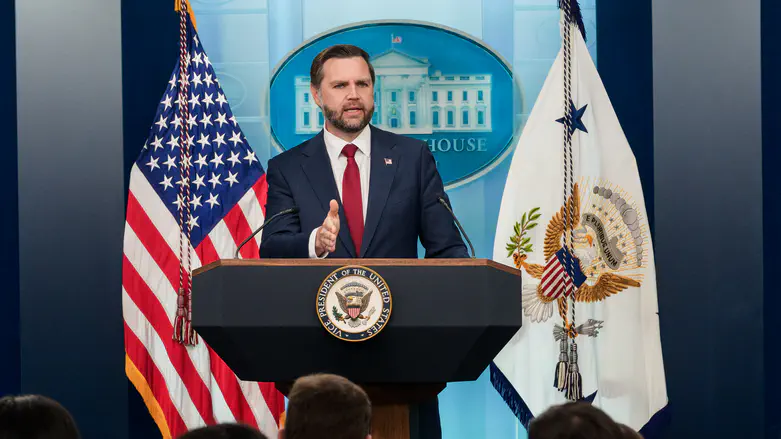
On October 30, 2026, Vice President JD Vance stepped into the center of this debate to offer a definitive stance on the administration's trajectory. Addressing the specter of endless military involvement, Vance made it clear that the current administration views the recent escalations differently than the cycles of the past. He acknowledged the recent history of engagement, noting that the United States has been involved in Iran in some form for seven months, yet he drew a sharp line against the prospect of a permanent entanglement.
"We’ve been involved in Iran in some form for seven months," Vance observed, contextualizing the recent months of friction within the broader 47-year history of US-Iran relations. His message was one of containment rather than expansion. He offered a direct assurance to those wary of American overextension: "I promise you that Donald Trump is not going to let Iran become a forever war."
Vance pointed to the specific issue of uranium enrichment as a primary hurdle to stability.
While the administration’s rhetoric focuses on avoiding the trap of prolonged warfare, the path to peace is not merely a matter of military restraint; it is a matter of technical verification. The tension is not just about troop movements or regional skirmishes, but about the very chemistry of Iran's nuclear ambitions. For Washington, the core of the conflict lies in the specific capabilities Iran is cultivating.
To the administration, the math of nuclear non-proliferation is straightforward. Vance pointed to the specific issue of uranium enrichment as a primary hurdle to stability. The presence of highly enriched fuel serves as a barometer for intent, and the administration is demanding a visible shift in behavior. The logic is rooted in a fundamental question of transparency: if a nation claims no interest in a nuclear weapon, its enrichment levels should reflect that reality.
"If you don't want a nuclear weapon, then why do you need 60% enriched fuel?" Vance challenged. He framed the issue as a basic threshold of trust, suggesting that a commitment to peace must be demonstrated through the cessation of highly enriched fuel production. "And if you want to show commitment to not building a nuclear weapon, don't build highly enriched fuel. That's a very basic threshold issue."
This approach signals a shift toward a results-oriented foreign policy. Rather than managing a permanent presence, the administration is framing its actions around the achievement of specific, measurable objectives. The goal is to resolve the tension through a combination of military pressure and strict technical requirements, rather than through the slow attrition of a long-term occupation.
Vance expressed a profound confidence in the administration's ability to navigate this volatility. He acknowledged that the work ahead is substantial, but he remained focused on the distinction between active engagement and a permanent state of war. "There's a lot more we need to work on," he admitted, before pivoting back to the administration's core promise. "But the one thing I'll tell you is, if you're worried about another forever war, Donald Trump is never going to let this be a forever war."