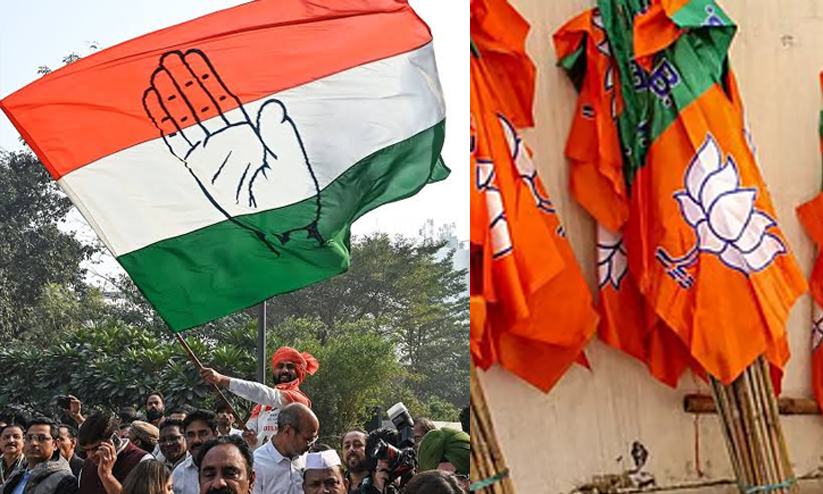
Nagpur, the political crucible of Maharashtra, has long been synonymous with the Bharatiya Janata Party’s ascendancy. It is the hometown of two of the party’s most prominent figures—Devendra Fadnavis, former chief minister, and Nitin Gadkari, a senior minister at the centre. When the Maharashtra Legislative Council’s Graduates’ constituency in Nagpur was slated for a by‑election, the stakes were unmistakably high. The BJP fielded Sudhakar Kohale, a candidate with the party’s full backing, while the Congress put forward Abhijeet Wanjari, a relatively fresh face hoping to tap into lingering anti‑incumbency.
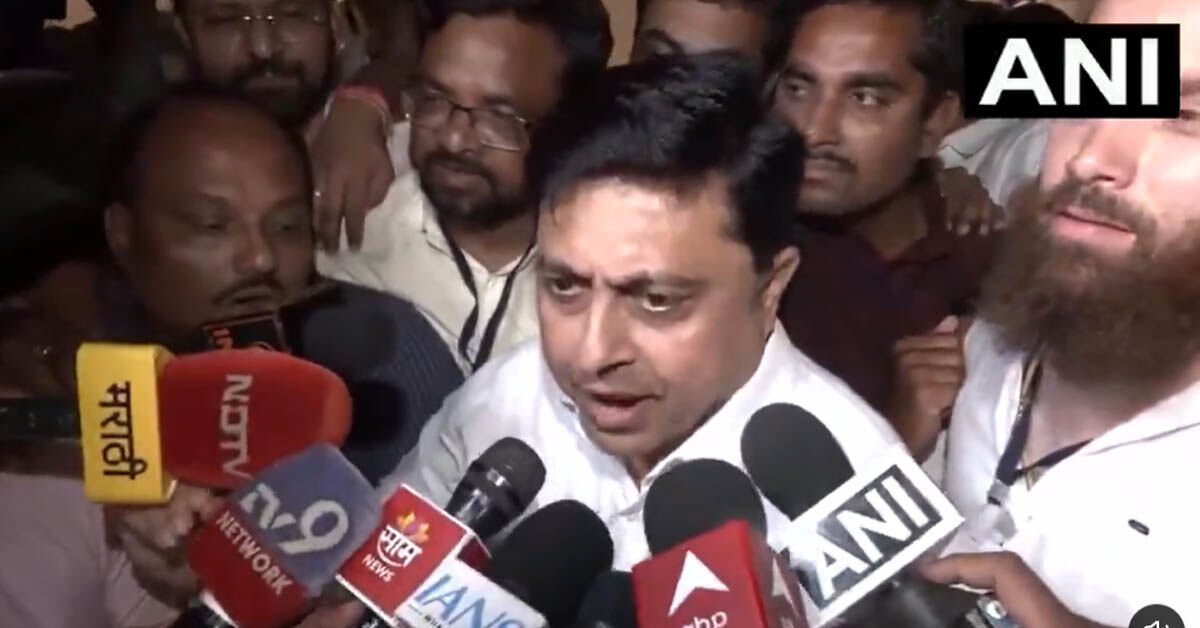
The vote‑counting process turned into a marathon, stretching beyond 40 hours as officials painstakingly tallied each ballot. Such a prolonged count is unusual, underscoring both the closeness of the contest and the meticulousness demanded by the electoral machinery. When the final numbers emerged, they painted a clear picture: Wanjari had secured 67,231 votes, edging out Kohale’s 63,960. The margin of 3,271 votes, while modest, was decisive enough to overturn a 24‑year BJP streak in the constituency.
The result reverberated far beyond the precincts of Nagpur. For the Congress, it was the first victory in this seat since the early 2000s, breaking a quarter‑century of BJP dominance. The win was not merely a numerical shift; it symbolised a breach in the political armor of a region that has produced two of the party’s national heavyweights. Analysts noted that the electorate’s graduate profile—comprising educated voters—has historically leaned towards the BJP, making the Congress triumph all the more striking.
A particularly scathing remark targeted Devendra Fadnavis for a tweet he posted before the full results were in.
In the immediate aftermath, Congress leaders seized the moment to lambaste the BJP’s senior leadership. A particularly scathing remark targeted Devendra Fadnavis for a tweet he posted before the full results were in. The tweet, later deleted, was framed by Congress as an attempt to invoke the legacy of Vinayak Savarkar, a controversial figure associated with Nagpur’s historical narrative. The party’s statement read:
"By deleting the tweet, Fadnavis has once again preserved Savarkar's legacy! Even before the full results were in hand, in a show of firing a big arrow, Fadnavis tweeted. But that very arrow turned back and pierced straight into his chest! In the end, he was forced to delete the tweet."
The deletion was portrayed as an admission of miscalculation, a symbolic arrow that had rebounded onto its archer. For the BJP, the episode added a layer of embarrassment to an already bruising defeat, prompting internal reflection on campaign strategy and messaging.
Beyond the headline, the vote totals themselves tell a nuanced story. Wanjari’s 67,231 votes represent a robust mobilisation of the graduate electorate, while Kohale’s 63,960 indicate that the BJP’s base remains substantial. The narrow gap suggests that while the Congress succeeded in breaking a long‑standing pattern, the constituency remains competitive, with future contests likely to be fought over similar margins.
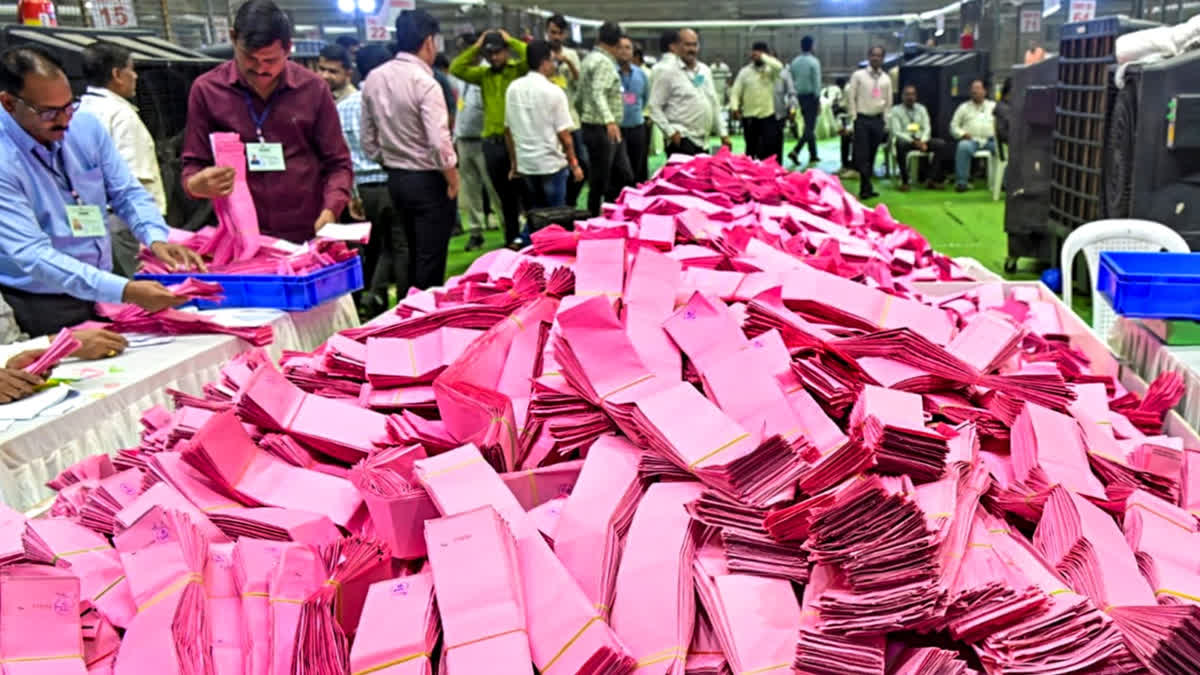
As the dust settles, both parties are left to reassess their footholds in Nagpur. For the Congress, the victory offers a platform to expand its influence in a region that has long been a BJP stronghold. For the BJP, the loss serves as a cautionary tale about complacency, especially in areas where the party’s leaders enjoy personal ties. The episode underscores how a single legislative council seat can become a microcosm of broader political currents, reflecting shifting allegiances among educated voters and the ever‑present impact of symbolic gestures in the digital age.
The Nagpur MLC result, recorded on 29 October 2026, will be studied in political circles for months to come, not only for its immediate electoral implications but also for the lessons it imparts about narrative, strategy, and the unpredictable nature of democratic contests.