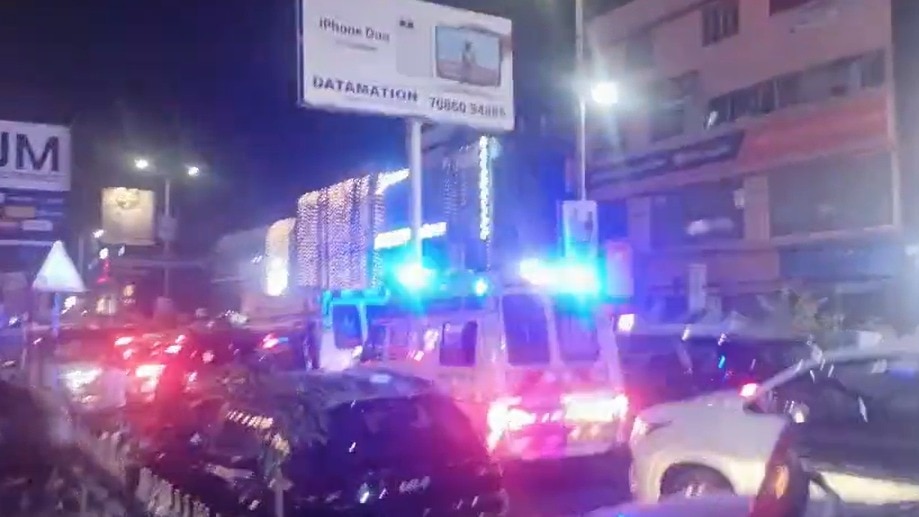
On the evening of October 26, 2026, the hum of Guwahati’s Ulubari neighborhood was shattered by a cascade of gunshots. Hotel Bilas Inn, a modest establishment that sits beside a Kalyan Jewellers outlet, became the epicenter of a sudden and deadly confrontation. Within minutes, the calm of the hotel’s lobby gave way to panic as patrons and staff scrambled for cover. By the time the police arrived, the scene was already marked by tragedy: five bodies lay motionless on the floor, and a number of others bore injuries ranging from superficial wounds to more serious gunshot trauma.

Witnesses describe a chaotic tableau. The hotel’s front desk, usually a hub of check‑ins and casual conversation, was transformed into a makeshift triage area. Emergency responders worked alongside hotel staff to tend to the injured, while the police cordoned off the premises. The proximity of the incident to a popular jewelry store added an unsettling layer of vulnerability, as the surrounding commercial strip suddenly found itself under the shadow of violence.

Five people shot dead in Guwahati - Gunfire at Guwahati's hotel Bilas Inn - Shooting reported in Bora service area - Circumstances of firing yet to emerge @AnamikaDutta77 shares more details with @Priyabahal22 https://t.co/RpcgQ74T4D
Assam’s law enforcement agencies moved swiftly, taking over the investigation within hours of the shooting. The police declared the incident a homicide and announced that five people had been killed. Their statements emphasized that the motive remained unclear, but early leads suggested a possible link to a property dispute between the hotel’s owners and a tenant. In India, property disputes can sometimes spiral into violent confrontations, especially when commercial interests and personal grievances intersect. The police’s focus on this angle reflects a broader pattern of investigating economic motives when other leads are scarce.
Even as the suspect sits in custody, the exact catalyst for the gunfire remains a mystery.
Within the same day, authorities announced the arrest of one suspect. While details about the individual’s identity, background, or alleged role in the shooting were not disclosed, the arrest signals that police have at least one tangible lead. In the Indian criminal justice system, an arrest does not equate to guilt, but it does allow investigators to interrogate the suspect, potentially uncovering connections to the alleged property dispute or other underlying tensions.

#Breaking | A tragic shooting incident in Guwahati’s Bora Service area has left at least four people dead and several others injured. Nandita Bora shares details with @prekshaajain_ #Guwahati #BoraServiceShooting #Assam #BreakingNews https://t.co/0IjtsCog4V
Even as the suspect sits in custody, the exact catalyst for the gunfire remains a mystery. Property disputes in densely populated Indian cities often involve disagreements over lease terms, rent arrears, or the right to occupy commercial space. When such disagreements turn hostile, they can attract criminal elements or provoke desperate actions. Yet, without corroborating testimony or forensic evidence, the police must keep all possibilities on the table, from personal vendettas to organized crime involvement.
The Guwahati shooting did not occur in isolation. On the same day, a separate triple murder case unfolded in Lucknow, resulting in three deaths. While there is no direct link established between the two incidents, the coincidence underscores a broader climate of violent crime across Indian metros. Analysts often point to rapid urbanization, strained law‑enforcement resources, and socioeconomic disparities as contributing factors to such spikes in violent incidents.

A deadly shooting at a hotel in Guwahati, Assam, has left at least five people dead and several others injured, triggering a police investigation. The firing took place near Hotel Bilas Inn in the Bora Service area on Monday evening, October 26. Police officials, including Guwahati Police Commissioner Partha Sarathi Mahanta, reached the scene as ambulances rushed the injured for medical assistance. The identities of the deceased and the motive behind the shooting remain unclear, with further details awaited as the investigation continues. #GuwahatiFiring #AssamNews #BreakingNews #HotelShooting #CrimeNews
As the investigation proceeds, police have warned that more casualties could emerge, a caution that reflects the fluid nature of ongoing crime scenes. Families of the victims are left to grapple with sudden loss, while the broader community confronts the unsettling reality that a place as ordinary as a hotel lobby can become a battlefield. The arrest of a suspect offers a glimmer of progress, but the lack of a clear motive means that Guwahati’s residents will likely remain on edge until the case reaches a judicial conclusion. For now, the city’s streets return to their nightly rhythm, but the memory of October 26 lingers, a stark reminder of how quickly peace can be disrupted.